
Aphids
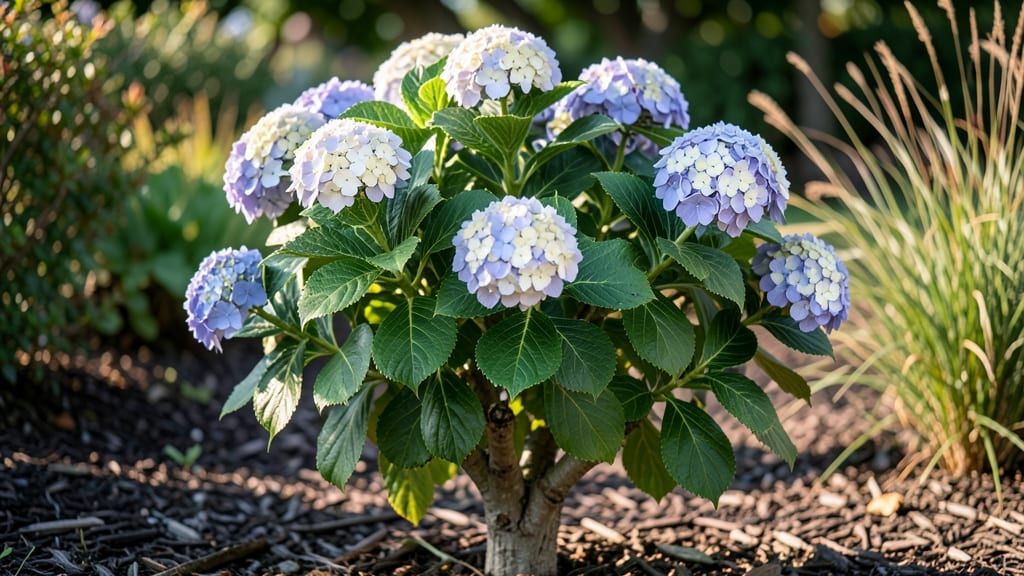
The images of oakleaf hydrangeas steal the show with foliage that shifts from deep green to fiery red-orange by fall. 🌿 Their lobed leaves resemble oak foliage, but the real magic happens when sunlight turns them into a blazing autumn spectacle—something no other hydrangea matches.
This isn’t just a summer bloomer; it’s a four-season star that keeps your garden looking intentional even when other plants fade. The secret to their drama lies in their adaptability. Plant them where they’ll get morning sun and afternoon shade—they thrive under trees where other plants struggle.
Their large, textured leaves create natural privacy screens or bold borders, while their arching stems add movement to any space. Even their dried blooms in winter add structure to winter gardens. You’ll love how they transform a shady corner into a focal point.
The peeling bark on mature stems adds another layer of interest, while their cone-shaped blooms in late spring offer a bonus. These plants don’t just fill space—they create moments in your garden that make neighbors stop and stare.
Perfect for shade gardens, woodland edges, or as a statement plant near patios. Their versatility means they work in both formal and casual designs, and their low-maintenance nature makes them a gardener’s dream. Let’s explore how to make them the centerpiece of your outdoor spaces!
📚 In This Guide
- What you need
- Instructions
- Tips and common mistakes
- Wrapping up and next steps
What you need
- ● Oakleaf hydrangea plant(s) – Choose healthy, disease-free specimens (bare-root or potted). Pro tip: Opt for cultivars like 'Snow Queen,' 'Pee Wee,' or 'Alice' for vibrant foliage.
- ● Well-draining soil mix – 50% garden soil + 50% organic matter (compost or peat moss). 💡 Oakleaf hydrangeas thrive in acidic soil (pH 5.0–6.0)—test your soil with a pH test kit if needed.
- ● Mulch – 2–3 inches of pine bark or wood chips to retain moisture and regulate temperature.
- ● Slow-release fertilizer – A balanced 10-10-10 or acid-loving plant fertilizer (e.g., Miracle-Gro Azalea/Camellia). ✨ Apply in early spring only!
- ● Pruning shears – Bypass pruners (sharp, clean, and disinfected with rubbing alcohol) for precise cuts.
- ● Garden gloves – Heavy-duty gloves to protect hands from thorns and soil.
- ● Camera or smartphone – A DSLR/mirrorless camera with a macro lens (50mm or 100mm) for close-ups, or a smartphone with a high-megapixel sensor (e.g., iPhone 13+ or Google Pixel 7+).
- ● Tripod – A lightweight, adjustable tripod for steady shots (e.g., Joby GorillaPod).
- ● Natural light reflector – A 5-in-1 reflector disc or white foam board to enhance foliage colors.
- ● Editing software – Free tools like Adobe Lightroom Mobile or GIMP to tweak colors and sharpness.
- ● Sunlight – Partial shade (morning sun + afternoon shade) is ideal. Avoid harsh afternoon sun in hot climates.
- ● Water source – A hose with a gentle spray nozzle or drip irrigation system for consistent moisture.
- ● Patience – Oakleaf hydrangeas can take 2–3 years to reach full foliage potential! 🌱
- ● Pest awareness – Keep an eye out for aphids, spider mites, or scale insects (common in hydrangeas). 💡 Treat early with neem oil or insecticidal soap.
Step-by-Step guide to capturing oakleaf hydrangea’s year-round beauty
Here’s how I photograph this showstopper’s seasonal color transformations—from spring blooms to fiery fall foliage.
📸 Step 1: Scout Locations for Best Light and Composition
Visit your oakleaf hydrangea’s spot at different times of day to find the most flattering light. Early morning or late afternoon delivers soft, diffused light that enhances the plant’s textures—especially the crinkled, oak-like leaves. I avoid midday sun, which can create harsh shadows that wash out the vibrant foliage colors.
Look for complementary elements in the frame: a weathered stone path, a neighboring shrub with contrasting foliage, or even a dappled sunlight pattern on the leaves. Oakleaf hydrangeas shine when they’re part of a layered scene, not just a standalone subject. Sketch a quick composition in your mind before grabbing the camera.
☀️ Step 2: Time Your Shots for Seasonal Color Peaks
Each season offers a different palette: spring’s delicate blooms, summer’s deep green leaves, fall’s fiery reds and purples, and winter’s exfoliating bark. I schedule shoots based on these shifts—typically late May for blooms, August for lush foliage, October for peak fall color, and December for winter texture.
Check the plant daily in the week leading up to your shoot. You’ll notice the leaves start to change color from green to burgundy or orange—this is your cue to photograph it. Use a small notebook to track color progression; I jot down notes like “October 12: 60% red leaves” to plan the perfect timing.
🌿 Step 3: Capture Close-Ups of Foliage and Flowers
Zoom in on the hydrangea’s signature oak-shaped leaves, especially their textured edges and veined patterns. I use a macro lens or my camera’s macro mode to fill the frame with a single leaf, highlighting its color shifts. For blooms, focus on the delicate petals and the way they cluster—these details make the images stand out.
Experiment with different angles: shoot from below to capture the underside of leaves, or tilt the camera to emphasize the plant’s height. I also include a few shots of the exfoliating bark in winter, which adds a unique texture to your collection. Use a tripod for steady shots, especially in windy conditions.
⏰ Step 4: Edit for Vibrancy Without Losing Natural Beauty
In post-processing, I boost the saturation slightly to enhance the hydrangea’s natural colors—just enough to make the reds pop without looking artificial. Use a selective adjustment brush to brighten shadows on leaves while keeping highlights natural. Oakleaf hydrangeas often have uneven lighting, so I balance exposure to avoid losing detail in either the brightest or darkest areas.
Add a subtle vignette to draw focus to the center of the image, where the foliage or blooms are most vibrant. I avoid heavy filters; the goal is to showcase the plant’s true colors, not distort them. Save a few unedited shots too—sometimes the natural look is the most striking.
📂 Step 5: Organize and Label Images by Season
Create a digital folder for each season (Spring, Summer, Fall, Winter) to keep your oakleaf hydrangea images organized. I label each file with the date and a brief description, like “Oakleaf Hydrangea – Fall Foliage – Oct 15, 2023.” This makes it easy to find specific shots later for blogs, social media, or gardening guides.
For a cohesive portfolio, I also group images by color themes—like “Reds and Oranges” for fall or “Soft Greens and Whites” for spring. This helps viewers (and you!) appreciate how the plant transforms throughout the year. Share your favorites with gardening communities to inspire others to grow oakleaf hydrangeas.
Tips & tricks for perfect oakleaf hydrangea photography
These simple yet powerful tricks will help you capture the oakleaf hydrangea's stunning seasonal transformations like a pro.
Lighting Secret: When photographing in Step 1, I always shoot during the "golden hours" (within an hour after sunrise or before sunset). This soft, warm light enhances the hydrangea's vibrant colors without creating harsh shadows. If you must shoot during midday, position your subject in partial shade to maintain those rich tones.
Seasonal Timing Tip: For Step 2, I recommend scheduling your shoots during the specific peak times mentioned (late May for blooms, October for fall color). However, if you miss these windows, don't worry! Oakleaf hydrangeas often show color changes for several weeks. Just check daily for the most vibrant foliage—look for leaves that are 70-80% their peak color rather than waiting for full transformation.
Composition Enhancement: In Step 3, when capturing close-ups, I suggest including a small reference object (like a coin or leaf) in your frame. This gives viewers a sense of scale and makes your images more dynamic. For example, placing a quarter next to a hydrangea leaf shows just how large those dramatic oak-shaped leaves actually are.
Editing Pro Tip: During Step 4's editing process, I always save my original unedited files. While editing enhances colors, sometimes the natural look is the most striking. I keep both versions to showcase the plant's true beauty while also having vibrant options for different uses.
Pro Tips for Images Oakleaf Hydrangea
- These simple yet powerful tricks will help you capture the oakleaf hydrangea's stunning seasonal transformations like a pro.
- Lighting Secret: When photographing in Step 1, I always shoot during the "golden hours" (within an hour after sunrise or before sunset).
- Seasonal Timing Tip: For Step 2, I recommend scheduling your shoots during the specific peak times mentioned (late May for blooms, October for fall color).
Frequently asked questions
Got questions about growing and caring for oakleaf hydrangeas? You’re not alone! Here are answers to the most common queries—from color changes to pest problems—so you can keep your plant thriving year-round.
Why do my oakleaf hydrangea leaves change color so dramatically?
The Hydrangea quercifolia is famous for its seasonal color shifts—deep green in spring, fiery red or purple in fall, and even bronze or burgundy in winter. This happens due to anthocyanin pigments triggered by cooler temps and shorter daylight. For the most vibrant hues, plant in full sun to partial shade and avoid heavy nitrogen fertilizer, which can mute the colors.
When is the best time to prune oakleaf hydrangeas?
Prune after flowering (late summer to early fall) to avoid cutting off next year’s blooms. Remove dead or crossing branches first, then shape lightly. Never prune in late winter or early spring—this removes flower buds that form on old wood. For young plants, a light trim in late winter (before buds swell) can encourage bushier growth.
How do I get rid of aphids on my oakleaf hydrangea?
Aphids love tender new growth! Blast them off with a strong stream of water first, then apply neem oil or insecticidal soap for prevention. Encourage ladybugs and lacewings (natural predators) by planting companion flowers like marigolds. If infestations persist, try horticultural oil in early spring before leaves emerge.
Can I grow oakleaf hydrangeas in containers? Yes—but here’s how!
Choose a large pot (at least 15–20 gallons) with drainage holes and use a well-draining potting mix (add perlite or sand). Oakleaf hydrangeas need consistent moisture, so water when the top 1–2 inches of soil are dry. Move containers to partial shade in summer to prevent leaf scorch. Fertilize lightly in spring with acid-loving plant food.
Do oakleaf hydrangeas survive winter? What about cold climates?
These hardy shrubs thrive in USDA Zones 5–9! In colder areas (Zone 5), mulch heavily around the base (3–4 inches of shredded bark or leaves) and wrap young plants in burlap for extra protection. Established plants usually handle winter well, but avoid pruning until after spring thaw to prevent frost damage to new growth.
What if my oakleaf hydrangea isn’t blooming?
Check these common culprits:
- Too much shade—needs 4+ hours of sunlight for best blooms.
- Over-fertilizing—too much nitrogen = leafy growth, fewer flowers. Use a balanced 10-10-10 or acidic fertilizer in early spring.
- Pruning at the wrong time—never cut back in late winter (blooms form on old wood!).
- Stress—drought or poor soil can delay flowers. Mulch and water deeply 1–2 times per week in dry spells.
Wrapping up and next steps
The oakleaf hydrangea is a standout star in any garden, offering year-round drama with its ever-changing foliage and stunning blooms. Whether you're drawn to its fiery fall colors, lush green summer leaves, or delicate flowers, this versatile plant delivers beauty with minimal fuss.
Now that you’re inspired, why not add one to your landscape? Pick your favorite variety, gather your supplies, and let nature’s artistry transform your outdoor space! 🌿✨
- Next step: Browse oakleaf hydrangea images for color and variety ideas!