
Flowers
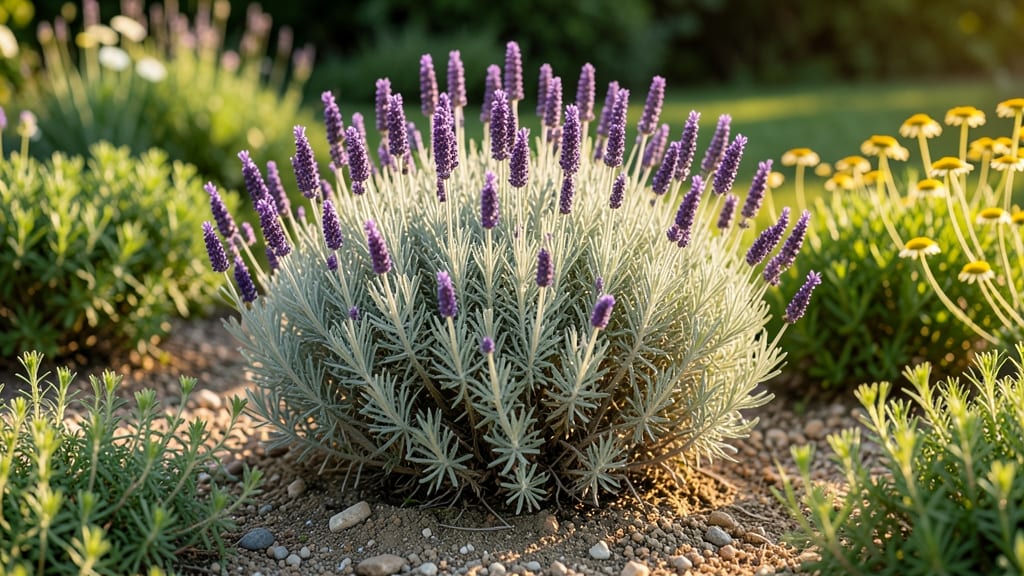
Lace leaf lavender (Lavandula angustifolia 'Hidcote') transforms any sunny spot into a fragrant, drought-resistant oasis—once you master its few simple needs. 🌿 I’ve grown this variety for years, and its silvery foliage and compact habit make it the star of my herb garden and pollinator-friendly borders.
The key? Well-draining soil, full sun, and a light touch with water—overwatering is its only true enemy.
This lavender thrives in poor, gritty soil with a pH between 6.5 and 7.5, and it practically begs for 6+ hours of direct sunlight daily.
Plant it in early spring or fall, spacing bushes 18–24 inches apart, and water deeply but infrequently—only when the top inch of soil feels dry. Mulch lightly with gravel (not organic matter) to keep roots cool and roots dry, which prevents rot.
By mid-summer, you’ll be rewarded with vibrant purple blooms that attract bees and hummingbirds while filling the air with that classic lavender scent. Prune lightly after flowering to maintain shape, and avoid heavy shearing—this variety’s delicate lace-like foliage is its charm.
In winter, a thin layer of mulch protects it from freeze-thaw cycles, ensuring it returns lush and ready for next season.
Beyond its beauty, lace leaf lavender doubles as a culinary herb (use sparingly in teas, syrups, or desserts) and a natural pest deterrent—plant it near roses or veggies to repel aphids.
Once established, it’s nearly maintenance-free, making it perfect for busy gardeners or drought-prone climates. Ready to grow yours?
📚 In This Guide
- What you need
- Instructions
- Tips and common mistakes
- Wrapping up and next steps
What you need
- ● Lace leaf lavender plants (1–3 nursery-grown plants or 6–12 seeds per pot). Look for Lavandula stoechas varieties like 'Phenomenal' or 'Anouk.'
- ● Well-draining potting mix (2–3 gallons per plant). Avoid heavy garden soil—opt for a blend with 50% perlite, pumice, or coarse sand and 50% cactus/succulent mix.
- ● Containers or garden bed: Containers: 12–18" diameter pots with drainage holes (1 per plant). Terracotta or fabric pots work best.
- ● Garden beds: Full sun (6+ hours/day) and sandy, well-draining soil (pH 6.5–7.5). Amend clay soil with gravel or grit.
- ○ Slow-release fertilizer (optional but recommended): 1 tbsp balanced 10-10-10 or low-nitrogen 5-10-10 per gallon of soil at planting.
- ● Pruning shears (sharp, clean pair for shaping and harvesting).
- ● Watering can or hose with a gentle spray nozzle (lavender hates soggy roots!).
- ● Mulch: Gravel or pebbles (1–2 inches) around the base to retain heat and deter weeds.
- ● Drip irrigation or soaker hose for consistent moisture (avoid overhead watering!).
- ● Compost or worm castings (1 cup per plant) for extra nutrients (use sparingly—lavender prefers lean soil).
- ● Epsom salt (1 tsp per gallon of water, monthly) for magnesium boosts (great for container plants).
- ● Garden gloves (to protect your hands from prickly stems!).
Step-by-Step instructions for growing lace leaf lavender
Here's how to cultivate this fragrant beauty—where to plant, how to nurture, and when to enjoy its signature scent.
🪴 Step 1: Choose the Perfect Location and Soil
Lace leaf lavender demands full sun—at least 6-8 hours daily—and well-draining soil. I always select the sunniest, driest spot in my garden because lavender hates soggy roots. If your soil is heavy clay, amend it with sand or gravel to improve drainage. A slight slope helps excess water run off naturally.
This plant thrives in poor, rocky soil—add too much organic matter, and you’ll smother its roots. I mix in a handful of coarse sand per square foot to ensure water drains quickly. Test your spot by digging a hole: if water pools after 30 minutes, find a drier location.
☀️ Step 2: Plant at the Right Time and Depth
Plant lace leaf lavender in early spring or fall when temperatures are mild—50-70°F is ideal. Dig a hole twice as wide as the root ball but only as deep. Lavender roots are shallow, so burying too deep suffocates them. Place the plant so the top of the root ball sits just below soil level—never deeper.
Space plants 18-24 inches apart to allow airflow and prevent fungal diseases. I always water deeply right after planting to settle the soil, but resist the urge to overwater. Damping-off is a real risk with lavender seedlings, so let the soil dry between waterings. Mulch lightly with gravel or pebbles (not organic mulch) to retain heat and deter weeds.
💧 Step 3: Water Sparingly and Prune Strategically
Once established, lavender is drought-tolerant—water only when the top 2 inches of soil feel dry. Overwatering is the #1 killer of lace leaf lavender. I use a soaker hose to deliver moisture slowly at the base, avoiding wetting the foliage. If leaves turn yellow or stems rot, you’re watering too much.
Prune in late spring or early summer after flowering to maintain shape. Cut back one-third of the current year’s growth with clean shears, making cuts just above a leaf node. Never prune into old wood—this encourages leggy, weak growth. I also trim spent flower spikes to encourage bushier foliage and more blooms next season.
✂️ Step 4: Harvest and Maintain for Long-Term Growth
Harvest lavender when 70% of the buds have opened—this ensures maximum fragrance and prevents seed formation. Cut stems in the morning after dew has dried, using sharp pruners. Bundle stems and hang upside down in a dark, dry place for 1-2 weeks to cure. Store dried bundles in an airtight container away from light.
Fertilize only once in early spring with a low-nitrogen, balanced fertilizer (like 5-5-5). Too much nitrogen produces leafy growth at the expense of fragrant flowers. I also divide mature clumps every 3-4 years in early spring to rejuvenate plants. Dig up the entire plant, separate the roots, and replant immediately.
Tips & tricks for perfect lace leaf lavender cultivation
Here's what I learned after years of growing lavender—these details make all the difference between a struggling plant and a thriving, fragrant beauty.
Sunlight Secret: The 6-8 hours of full sun requirement isn't just about light—it's about heat. I've noticed lavender in partial shade grows leggy and loses its signature fragrance. Position your plants where they'll receive morning sun and afternoon warmth, especially in cooler climates where sunlight is less intense. A south-facing location works best in the Northern Hemisphere, while Northern Hemisphere gardeners should choose western exposures to avoid scorching in summer afternoons.
Soil Test Trick: That 30-minute water test in Step 1 is crucial—it reveals whether your soil drains properly. If water disappears within 10-15 minutes, you're good to go. If it's still standing after 30 minutes, amend with more sand or consider planting in a raised bed. I've seen lavender roots rot when planted in garden soil that seemed fine until after planting. For heavy clay soils, mix in coarse builder's sand at a 1:1 ratio with your existing soil before planting.
Planting Precision: When planting in Step 2, think of the root ball like a delicate cake layer—burying it too deep suffocates the plant while leaving it exposed risks drying out. The "just below soil level" guideline means the topmost roots should be covered by about 1/4 inch of soil. I mark the root ball with a pencil before digging to ensure proper placement. For container gardening, use pots with drainage holes and fill the bottom third with gravel for optimal drainage.
Pruning Insight: The one-third pruning rule in Step 3 might seem arbitrary, but it's based on lavender's natural growth pattern. Cutting back too much removes next year's flower buds, while pruning too little allows old wood to dominate. I always prune after flowering because the new growth that forms contains the next season's buds. Use clean, sharp shears to avoid crushing stems, and make cuts at a 45-degree angle just above a leaf node to encourage new growth.
Pro Tips for Lace Leaf Lavender
- Here's what I learned after years of growing lavender—these details make all the difference between a struggling plant and a thriving, fragrant beauty.
- Sunlight Secret: The 6-8 hours of full sun requirement isn't just about light—it's about heat.
- Soil Test Trick: That 30-minute water test in Step 1 is crucial—it reveals whether your soil drains properly.
Frequently asked questions
Got questions about growing lace leaf lavender? You’re not alone! Here are some of the most common queries—plus straightforward answers to help your fragrant garden thrive.
What’s the best time of year to plant lace leaf lavender?
Plant lace leaf lavender in early spring or early fall when soil temperatures are cool (60–75°F). Avoid summer heatwaves, which can stress young plants. If you’re in a mild climate, fall planting gives roots time to establish before winter.
How long does it take for lace leaf lavender to bloom?
With proper care, lace leaf lavender typically blooms within 60–90 days of planting in spring. First-year plants may produce smaller flowers, but mature bushes (2+ years old) reward you with abundant purple blooms from late spring to early summer.
Can I grow lace leaf lavender in containers? If so, what size pot do I need?
Lace leaf lavender thrives in containers with well-draining soil. Use a pot at least 12–16 inches wide and deep (bigger is better for longevity). Ensure drainage holes are present—root rot is a common killer in containers.
What should I do if my lace leaf lavender turns yellow or wilted?
Yellowing leaves often signal overwatering or poor drainage. Let soil dry completely between waterings, and ensure your plant gets full sun (6+ hours/day). Wilting can also mean underwatering or heat stress—water deeply but infrequently, and provide afternoon shade in extreme heat.
Can I propagate lace leaf lavender from cuttings? How?
Yes! Take 4–6 inch cuttings from healthy stems in early summer. Remove lower leaves, dip in rooting hormone (optional), and plant in a mix of sand and perlite. Keep moist (not soggy) and place in bright, indirect light. Roots should form in 4–6 weeks.
Wrapping up and next steps
Growing lace leaf lavender is a rewarding journey that brings beauty, fragrance, and resilience to your garden—even in hot, dry climates. With the right soil, sunlight, and care, this versatile perennial will thrive, offering years of stunning blooms and soothing aromas.
Whether you're a seasoned gardener or just starting, now is the perfect time to plant and enjoy the magic of lavender!
Ready to dive in? Start by selecting your spot, gathering your supplies, and planting your first lace leaf lavender today. Your fragrant garden awaits! 🌿✨