
Planting
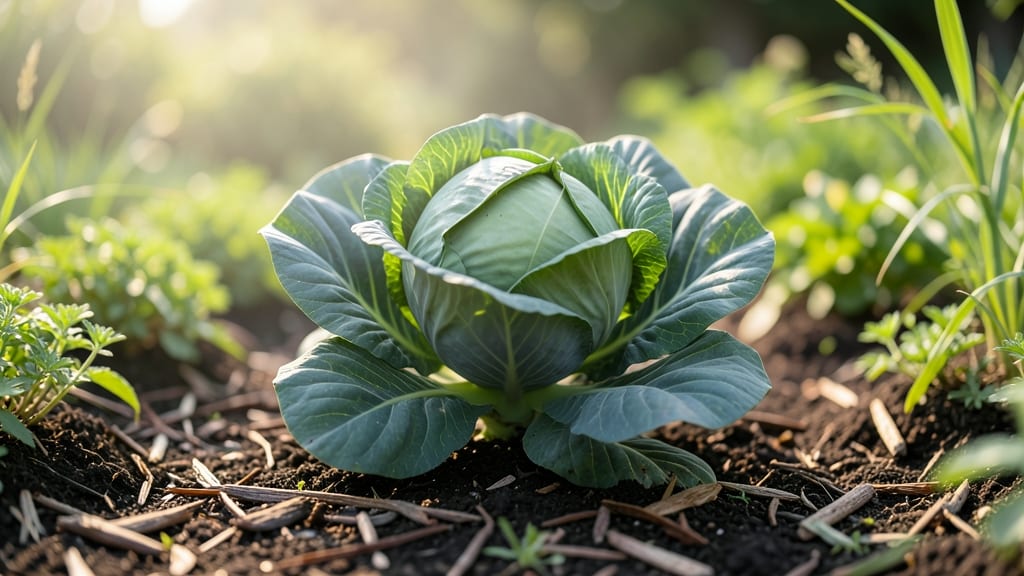
Growing leaf cabbage plants means crisp, cold-hardy greens even when frost nips the air. 🌱 I’ve learned the hard way that these perennials thrive where other greens fail—my first harvest came just weeks after planting in chilly spring soil, and the flavor was shockingly fresh.
The key? Planting early and protecting them from late frosts with simple row covers.
You’ll need well-draining soil rich in organic matter—think compost mixed into the top 6 inches—and a spot with 4-6 hours of sunlight daily. Leaf cabbage handles partial shade better than most greens, but full sun yields the most tender leaves.
Space plants 12-18 inches apart to prevent crowding, and avoid planting where brassicas (like kale or broccoli) grew the year before to reduce disease risk.
Water consistently to keep soil moist but not soggy—leaf cabbage hates wet feet. A mulch layer (straw or shredded leaves) helps retain moisture and protects roots from temperature swings. Harvest outer leaves as needed, and you’ll get continuous production for months, even through light frosts.
The first harvest is sweet—literally—when you taste the difference between store-bought and homegrown.
Watch for pests like cabbage worms and aphids, but a soapy water spray or neem oil usually does the trick. If plants bolt too early, it’s often a sign of heat stress—try succession planting in late summer for a fall harvest.
Once you master leaf cabbage, you’ll never go back to bolting store greens.
📚 In This Guide
- What you need
- Instructions
- Tips and common mistakes
- Wrapping up and next steps
What you need
- ● Leaf Cabbage Seeds: Choose cold-hardy varieties like Brassica oleracea var. sabellica (e.g., 'Winter Density' or 'Red Express'). Start with 10–20 seeds for a small garden or 50+ seeds for larger harvests.
- ● Well-Draining Soil: A mix of 60% garden soil, 30% compost, and 10% perlite/sand (pH 6.0–7.0). Leaf cabbage thrives in fertile, slightly acidic soil.
- ● Containers or Garden Bed: Containers: 5–7 gallon pots with drainage holes (1 plant per pot). Use black or dark-colored pots to retain moisture.
- ● Garden Bed: Full sun (6+ hours/day) or partial shade (4–6 hours) in hot climates. Space plants 12–18 inches apart.
- ● Organic Fertilizer: Balanced 10-10-10 or compost tea to boost growth. Apply at planting and every 4–6 weeks.
- ● Mulch: Straw or shredded leaves (2–3 inches thick) to retain moisture and protect roots from frost.
- ● Hand Trowel or Transplanter – For sowing seeds or transplanting seedlings.
- ● Garden Gloves – To protect hands while handling soil or sharp leaves.
- ● Watering Can or Hose with Nozzle – For gentle, deep watering (avoid overhead spraying to prevent disease).
- ● Pruning Shears – To harvest outer leaves without damaging the plant.
- ○ Row Cover or Frost Cloth (Optional) – For early spring/fall protection if temperatures dip below 20°F (-7°C).
- ○ pH Test Kit (Optional) – To monitor soil acidity and adjust with lime or sulfur if needed.
- ● Climate: Leaf cabbage is cold-resistant (tolerates down to 15°F (-9°C)) but grows best in USDA Zones 3–10. Avoid planting in extreme heat (>90°F/32°C).
- ● Sunlight: Full sun to partial shade. In hot regions, afternoon shade helps prevent bolting.
- ● Watering Schedule: Keep soil consistently moist (not soggy). Water at the base to avoid fungal issues.
- ● Patience: Leaf cabbage takes 45–60 days to mature from seed. Harvest outer leaves first to encourage regrowth!
Step-by-step guide to growing leaf cabbage as a cold-hardy perennial
Here's how I transform leaf cabbage into a reliable, frost-tolerant harvest machine for crisp greens year after year.
🌱 Step 1: Select and Prepare Your Planting Site
Leaf cabbage thrives in cool climates (USDA zones 3-8) and performs best in full sun to partial shade. Choose a location with well-draining soil—this perennial hates soggy roots. I always test my soil first; leaf cabbage prefers a slightly acidic to neutral pH (6.0-7.0). Amend heavy clay with 2-3 inches of compost before planting to improve drainage.
Space plants 18-24 inches apart in rows 3 feet apart to allow airflow and prevent fungal diseases. If growing in containers, use pots at least 12 inches deep with drainage holes. The key is mimicking its natural habitat—cool, moist but not waterlogged conditions.
🌿 Step 2: Plant Transplants or Direct-Sow Seeds
For transplants, choose 4-6 week old seedlings with 4-5 leaves and sturdy stems. Plant in early spring or late summer for fall harvests. Dig a hole twice as wide as the root ball and set the plant so the crown sits 1 inch below soil level—this helps protect it from frost heave. Backfill with native soil and press gently to eliminate air pockets.
For direct sowing, scatter seeds ¼ inch deep in rows. Thin seedlings to 18 inches apart once they develop 2-3 true leaves. I always harden off seedlings first—place them outside in partial shade for 1-2 hours daily for 5-7 days before transplanting. This prevents transplant shock from temperature swings.
💧 Step 3: Water and Fertilize for Optimal Growth
Leaf cabbage needs 1-1.5 inches of water weekly, but never let the soil dry out completely. I water deeply in the morning to reduce fungal risks. Mulch with 2-3 inches of straw or shredded leaves to retain moisture and regulate soil temperature. This is especially critical in hot summers—mulch keeps roots cool and prevents bolting.
Feed plants with balanced organic fertilizer (10-10-10) at planting and again after 6 weeks. I switch to a low-nitrogen formula (5-10-10) in late summer to encourage leaf development over flowering. Too much nitrogen leads to lush foliage but tender, bitter leaves—exactly what you don't want for crisp harvests.
☀️ Step 4: Maintain and Protect Through Seasons
Remove yellowed or diseased leaves immediately to prevent spread. Pinch back flowering stems in early spring to redirect energy into leaf production. Leaf cabbage is remarkably cold-hardy—it survives 20°F temperatures with minimal protection. For below 10°F, mound soil 4-6 inches deep around the base or cover with straw mulch.
Watch for pests like cabbage worms and aphids. I use row covers in early spring to deter insects without chemicals. If you notice holes in leaves, handpick larvae or spray with neem oil. The goal is to keep plants healthy enough to regenerate after harvests—leaf cabbage is a perennial that rewards patience.
✂️ Step 5: Harvest and Prune for Continuous Yields
Harvest outer leaves when they reach 6-8 inches long, cutting just above a leaf node to encourage regrowth. Avoid taking more than 1/3 of the plant at once—this ensures the center continues producing. I harvest in stages: early spring for tender leaves, late summer for milder flavors, and fall before hard frosts.
After each harvest, trim back any leggy growth and fertilize lightly with compost tea. This perennial keeps producing for 3-5 years with proper care. In late winter, cut back dead foliage to 2 inches above ground level to stimulate new growth. The first harvest after dormancy is always the most tender—worth the wait!
Tips & tricks for perfect leaf cabbage cultivation
These practical insights will help you cultivate leaf cabbage that thrives year after year in your garden.
Soil Preparation Insight: When amending heavy clay with 2-3 inches of compost, mix it thoroughly into the top 6-8 inches of soil—not just on the surface. This ensures proper drainage throughout the root zone, which is critical for preventing root rot. I've seen leaf cabbage plants struggle in poorly amended soil, so take the extra time to mix well. The goal is to create a loose, crumbly texture that mimics the plant's natural habitat.
Transplanting Technique: The 1-inch depth for planting crowns below soil level might seem counterintuitive, but it's essential for cold-hardy varieties. This positioning helps protect against frost heave and provides stability during winter. For container growing, use pots with at least 12 inches of depth—shallow containers restrict root growth and limit the plant's ability to establish properly. I've found that deeper pots also help maintain more consistent soil moisture levels.
Watering Wisdom: The 1-1.5 inches of weekly water is a guideline, but timing matters just as much. Water in the early morning to allow foliage to dry completely before evening—this prevents fungal diseases that thrive in damp conditions. In hot summers, consider increasing to 2 inches weekly and always water at soil level rather than overhead to minimize evaporation and leaf scorch. A soaker hose works perfectly for this.
Seasonal Care Strategy: When protecting against temperatures below 10°F, combine the soil mounding with a layer of straw mulch. The mulch acts as insulation while the soil mound provides additional protection against extreme cold. I've successfully grown leaf cabbage through winters with temperatures reaching -15°F using this double protection method. Remember to remove mulch in early spring to prevent overheating and allow new growth to emerge.
Pro Tips for Leaf Cabbage Plant
- These practical insights will help you cultivate leaf cabbage that thrives year after year in your garden.
- Soil Preparation Insight: When amending heavy clay with 2-3 inches of compost, mix it thoroughly into the top 6-8 inches of soil—not just on the surface.
- Transplanting Technique: The 1-inch depth for planting crowns below soil level might seem counterintuitive, but it's essential for cold-hardy varieties.
Frequently asked questions
What’s the best time to plant leaf cabbage?
Leaf cabbage thrives in early spring or late summer for fall harvests. Plant seeds 4–6 weeks before your last frost date (Zone 3–10). For overwintering varieties, sow in late summer so young plants establish roots before cold sets in. Avoid planting in extreme heat—seedlings prefer cool soil (50–60°F).
Can leaf cabbage survive winter?
Yes! This is its superpower—leaf cabbage is a hardy perennial that tolerates light frosts and even sub-zero temps (Zone 3+). Mulch with straw or leaves in winter to protect roots. In mild climates, it may regrow in spring. In harsh winters, cut back dead foliage in early spring to encourage new growth.
How often should I harvest leaf cabbage?
Harvest outer leaves as needed, leaving the center intact. For continuous production, pick every 2–3 weeks in spring/fall. Avoid taking more than 1/3 of the plant at once—this keeps it productive. In summer, reduce harvesting to let it recover for fall regrowth. Pro tip: Use sharp scissors to avoid damaging stems!
What pests or diseases should I watch for?
Common issues include cabbage worms, aphids, and downy mildew. Prevent pests with row covers or neem oil. Improve airflow between plants to reduce mildew. If leaves yellow or rot, check for clubroot—amend soil with lime if needed. Quick fix: Handpick pests early for organic control.
Can I grow leaf cabbage in containers?
Choose a 5–7 gallon pot with drainage holes. Use a well-draining potting mix and place in full sun to partial shade. Container-grown plants may need weekly watering (check soil moisture). Dwarf varieties like ‘Winterbor’ work best. Bonus: Move pots to a sunny windowsill in winter for extended harvests!
What’s a good alternative if leaf cabbage doesn’t thrive?
Try kale (similar cold tolerance), collard greens (perennial in warm zones), or Swiss chard (heat-tolerant). For a crisp texture, ‘Red Russian’ kale or ‘Bright Lights’ chard are great substitutes. All three are nutrient-packed and handle frost well!
Wrapping up and next steps
Growing a leaf cabbage plant is a rewarding way to enjoy fresh, crisp greens—even in cooler climates! 🌱 With its cold-resistant nature and perennial growth, this hardy plant offers a reliable harvest season after season.
Whether you're a beginner or a seasoned gardener, the key is patience, proper care, and a little creativity in storage.
Ready to dive in? Start small—plant a few seeds or seedlings this season and watch your garden flourish. Before you know it, you’ll be savoring homegrown leaf cabbage in salads, stir-fries, or fermented dishes. Happy planting! 🌿