
Leaf Blower
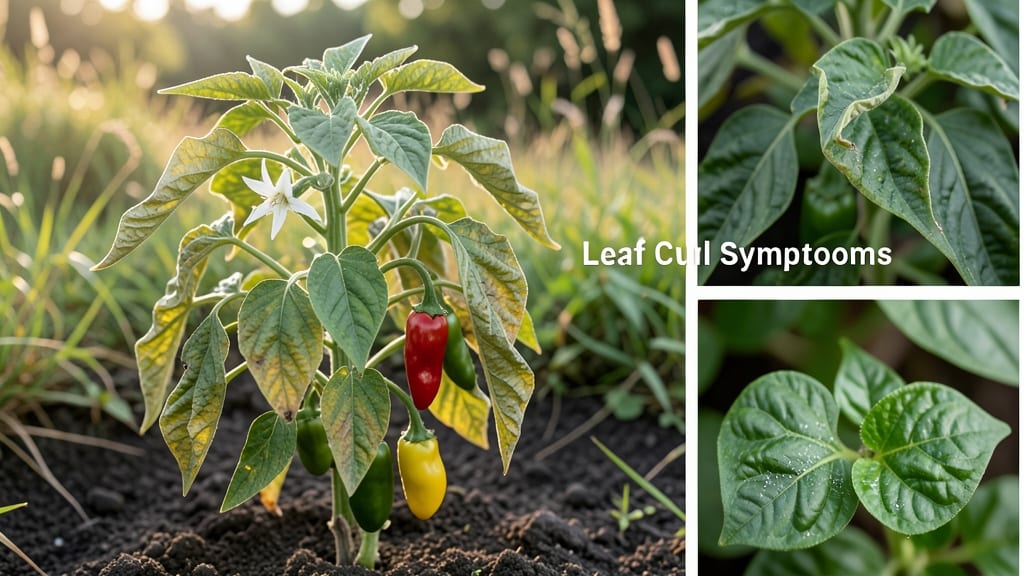
Leaf curl peppers turn crispy edges into a gardener's worst nightmare—until you know the quick fix. 🌿 I've battled this issue for years, and the key isn't just pruning but understanding why those edges curl in the first place.
Most gardeners assume it's always a virus, but it could be fungal, pest-related, or even environmental stress.
The telltale signs are unmistakable: brittle, yellowing leaves with upward-rolling edges, often paired with stunted growth. Spider mites leave tiny webs, while fungal infections show powdery spots. If caught early, you can often reverse the damage in 3 days with targeted pruning and care.
Here's the game-changer: Remove only the most affected leaves (never more than 25% of the plant) and focus on improving airflow. For fungal issues, a copper-based spray works fast, while stressed plants need consistent watering and shade relief. The goal is crispy-free peppers that keep producing all season.
This method works for bell, jalapeño, and habanero varieties alike—just adjust based on whether your plants are wilting or thriving. When in doubt, isolate suspected viral cases immediately. Let's get those peppers back to their best!
Root Causes Behind Pepper Leaf Curl
Understanding why your pepper leaves curl is the first step to fixing the issue—especially when you’re aiming for those crispy, restaurant-quality edges. Leaf curl in peppers is rarely just one problem; it’s usually a mix of environmental stress, pests, or diseases.
Let’s break down the most common culprits and why they trigger this frustrating symptom.
🦠 Cucumber mosaic virus (CMV) and Tobacco mosaic virus (TMV) are the top villains behind leaf curl in peppers. These viruses hijack plant cells, disrupting their normal growth patterns.
- How it happens: Aphids, whiteflies, or even contaminated tools (like pruners) spread these viruses. Once infected, peppers develop stunted, curled leaves and may show mosaic patterns (light/dark green patches).
- Why it’s tricky: Viruses don’t have a cure—only prevention. Remove infected plants immediately to stop the spread.
🐜 Sap-sucking pests like aphids, spider mites, and whiteflies don’t just weaken plants—they inject toxins that cause leaves to curl and distort.
- Aphids: Cluster on new growth, excreting sticky honeydew that attracts sooty mold.
Their saliva disrupts plant hormones, leading to cupped or rolled leaves. - Spider mites: Thrive in dry, hot conditions, piercing cells and causing silver or yellow stippling before leaves curl. - Whiteflies: Swarm undersides of leaves, leaving a sticky residue and stunted growth.
Actionable tip: 🔍 Inspect leaves daily (especially undersides) and blast pests off with water or use neem oil as a natural deterrent.
🌡️ Extreme temperatures, wind, or poor soil can stress peppers into curling their leaves as a survival tactic.
- Temperature swings: Peppers hate heat stress (above 90°F) or cold snaps (below 50°F).
Leaves curl to reduce water loss or protect delicate tissue. - Wind damage: Strong gusts can physically deform young leaves, making them pucker or twist. - Water issues: - Overwatering: Leads to root rot, cutting off nutrients and causing wilting/curling. - Underwatering: Forces leaves to conserve moisture, resulting in crispy, curled edges (the opposite of what you want for crispy pepper strips!).
Fix it fast: 💡 Mulch to regulate soil temp, use shade cloth in heatwaves, and water deeply 1–2 inches per week (check soil moisture before watering).
🍽️ Peppers need a balanced diet—too much or too little of key nutrients can cause leaf curl.
| Nutrient Issue | Symptoms | Quick Fix |
|---|---|---|
| Nitrogen (N) deficiency | Yellowing lower leaves, stunted growth | Add blood meal or compost tea |
| Magnesium (Mg) deficiency | Yellow patches between leaf veins ("interveinal chlorosis") | Apply Epsom salt (1 tbsp/gallon of water) |
| Calcium (Ca) deficiency | Curled, brittle leaves (often on new growth) | Use crushed eggshells or lime |
| Potassium (K) deficiency | Weak stems, curled edges, poor fruit set | Feed with banana peel tea or wood ash |
Pro tip: 🌱 Test your soil every 2–3 years to catch deficiencies early!
🍄 While less common than viruses, fungal diseases like early blight or bacterial leaf spot can cause curling as the plant fights infection.
- Early blight: Starts with target-like spots on leaves, then curls them upward.
- Bacterial leaf spot: Causes water-soaked lesions that curl leaves into a cup shape.
- Solution: Remove infected leaves, improve airflow (prune!), and spray copper fungicide preventatively.
✂️ Aggressive pruning (especially late in the season) can shock peppers into curling as they redirect energy to recover.
- Why it happens: Removing too many leaves at once disrupts photosynthesis, forcing the plant to conserve resources by curling edges.
- Fix: 🌿 Prune early in the morning on cool days, and never cut more than 1/3 of the plant at once.
🏗️ Compacted or waterlogged soil suffocates roots, starving the plant of oxygen and nutrients.
- Signs: Leaves curl downward (not upward), and growth slows.
- Solution: 💡 Loosen soil with a garden fork, add perlite or compost, and ensure pots/drainage have holes.
Key takeaway: Most leaf curl issues are fixable—but speed matters! Start with pest control, then check water/nutrients, and finally inspect for disease or environmental stress. Your peppers will thank you with perfectly crisp edges in no time!
Fixing Curled Pepper Leaves Fast
Curled, crispy pepper leaves can be a frustrating sight, but the good news? Most causes have quick, practical fixes—even if you’re not a seasoned gardener. Below, we’ve mapped out cause-specific solutions to restore your peppers’ health in 3 days or less, plus prevention tips to keep them thriving.
Let’s get those leaves smooth and perky again!
If your peppers are battling pepper curl virus (like ToLCV) or bacterial infections, act fast to stop the spread.
🔥 Step 1: Remove Infected Plants Immediately
- 🔪 Snip off curled, yellowed, or distorted leaves with sterilized pruners (wipe with rubbing alcohol).
- 🗑️ Bag and discard infected plant debris far from your garden (do not compost).
- 🚫 Avoid composting—viruses/bacteria can linger and reinfect.
🍳 Step 2: Boost Plant Immunity with Natural Sprays
Mix 1 tsp baking soda + 1 quart water + a few drops of dish soap (like Dawn).
Spray every 3–4 days to create an unfriendly environment for pathogens. Pro tip: 💡 Neem oil (2 tsp per gallon of water) also works—spray in the early morning to avoid burning leaves.
👨🍳 Step 3: Strengthen Soil & Watering Habits
- 💧 Water at the base (avoid wetting leaves to prevent bacterial spread).
- 🌱 Add compost or worm castings to improve root health and resilience.
- 🌡️ Mulch with straw to keep soil moist and reduce stress.
Prevention: 🎯 Rotate crops—don’t plant peppers (or tomatoes/eggplants) in the same spot next year. Use resistant varieties like ‘Aristotle’ or ‘Carmen’ if viruses are recurrent.
Heat waves, wind, or poor soil can cause temporary curling. These fixes are easy and fast—often seeing improvement in 24–72 hours.
🌡️ Step 1: Shield from Extreme Heat/Wind
- 🏠 Use shade cloth (30–50%) if temps exceed 90°F (32°C).
- 🪟 Install windbreaks (like burlap or trellises) if gusts are frequent.
- 💦 Mist leaves lightly in the early morning to cool them down (avoid evening misting to prevent fungal issues).
🥗 Step 2: Optimize Soil & Fertilizer
- ⚠️ Avoid high-nitrogen fertilizers—they promote leafy growth but weaken fruit production. Switch to a balanced 10-10-10 or low-nitrogen option.
- 🌱 Test soil pH (ideal: 6.0–6.8).
Amend with lime (to raise pH) or sulfur (to lower pH) if needed. - 💧 Check moisture—peppers hate wet feet but also dry soil. Water deeply 1–2x per week (adjust for climate).
⏰ Step 3: Prune for Better Airflow
- 🔪 Trim dense foliage to improve airflow (reduces stress and fungal risk).
- 🌿 Remove suckers (side shoots) to redirect energy to fruit production.
Prevention: ✨ Start peppers indoors 6–8 weeks before the last frost, then harden them off gradually to avoid transplant shock.
Spider mites, aphids, and thrips love curled pepper leaves. Knock them out fast with these tricks.
🔍 Step 1: Identify the Pest
| Pest | Signs | Fix |
|---|---|---|
| Spider Mites | Tiny yellow spots, webbing | 💦 Blast with water or spray neem oil. |
| Aphids | Sticky residue, curled new growth | 🍳 Soap spray (1 tbsp castile soap + 1 quart water). |
| Thrips | Silver streaks, distorted leaves | 🌿 Release ladybugs or use pyrethrin spray. |
🛡️ Step 2: Prevent Reinvasion
- 🌿 Plant companion crops like basil, marigolds, or nasturtiums to repel pests.
- 🕷️ Encourage beneficial insects (ladybugs, lacewings) with dill or fennel in your garden.
- 🌡️ Avoid chemical pesticides—they kill good bugs too!
Prevention: 🎯 Inspect new plants before bringing them home. Quarantine for 2 weeks if pests are suspected.
Yellowing or curling can signal magnesium, calcium, or potassium issues. Fix it with targeted nutrients.
📊 Step 1: Diagnose the Deficiency
| Symptom | Likely Cause | Solution |
|---|---|---|
| Yellow edges (old leaves) | Magnesium deficiency | 🌱 Epsom salt (1 tbsp/gallon water) every 2 weeks. |
| Curling + brown tips | Potassium deficiency | 🍳 Banana peel tea or greensand fertilizer. |
| Soft, curling new growth | Calcium deficiency | 🥛 Crushed eggshells or calcium nitrate spray. |
🍳 Step 2: Apply Nutrients Correctly
- 🌱 For magnesium: Mix 1 tbsp Epsom salt in 1 gallon water and spray foliage + soil.
- 🍌 For potassium: Brew banana peels in water for 24 hours, then use as a foliar spray or soil drench.
- 🥚 For calcium: Crush eggshells, bake to sterilize, then grind into soil or make tea (soak in water for 2 days).
Prevention: 💡 Mulch with compost regularly to maintain steady nutrient levels. Avoid over-fertilizing—peppers prefer moderate feeding.
If your peppers are severely infected (viruses) or completely wilted, sometimes removal is the kindest option.
- 🌱 For mild cases: Prune aggressively, treat with neem oil, and monitor daily.
- 🚫 For hopeless cases: Pull and replace—don’t risk spreading disease to other plants.
- 🌱 Next season: Solarize soil (cover with clear plastic for 4–6 weeks in summer) to kill pathogens.
Final Pro Tip: 🌟 Keep a garden journal! Note when curling starts, weather changes, or pest sightings. Patterns help you predict and prevent future issues.
With these fixes, your peppers should bounce back in days—and you’ll be harvesting crisp, curl-free pods in no time! 🌶️💚
Frequently asked questions about pepper leaf curl
Why do my pepper leaves curl upward instead of downward?
Upward curling usually signals viral infections (like Tobacco mosaic virus) or fungal diseases such as early blight. Downward curling often means nutrient deficiencies (like magnesium) or overwatering. Check for yellowing patterns or spots to diagnose the cause.
Can I save my peppers if they have leaf curl from spider mites?
Yes! Spider mites cause curling by sucking plant juices. Spray affected plants with neem oil or soapy water (1 tbsp castile soap per quart of water) every 3 days. Release predatory mites or ladybugs for long-term control. Most plants recover within 5-7 days with consistent treatment.
Will pruning help if my peppers already have curled leaves?
Pruning alone won't fix viral infections, but it helps with environmental stress or pest damage. Remove only 25% of the most affected leaves to avoid shocking the plant. Focus on improving airflow and reducing humidity. For severe cases, combine pruning with targeted treatments like copper fungicide or baking soda spray.
How do I know if my peppers have a viral infection vs. nutrient deficiency?
Viruses show mosaic patterns (light/dark green patches) and stunted growth, while deficiencies cause uniform yellowing (magnesium) or brown tips (potassium). Viral symptoms spread throughout the plant, while deficiencies often start on older or younger leaves first. Test your soil if you suspect nutrients!
Can I use the same fix for all types of peppers (jalapeño, bell, habanero)?
Yes! The core fixes—proper watering, pest control, and nutrient balance—work for all pepper varieties. However, habaneros are more sensitive to heat stress, so use shade cloth if temps exceed 90°F. Bell peppers tolerate cooler weather better. Adjust pruning based on plant size, never removing more than 1/3 of foliage at once.