
Leaf Blower
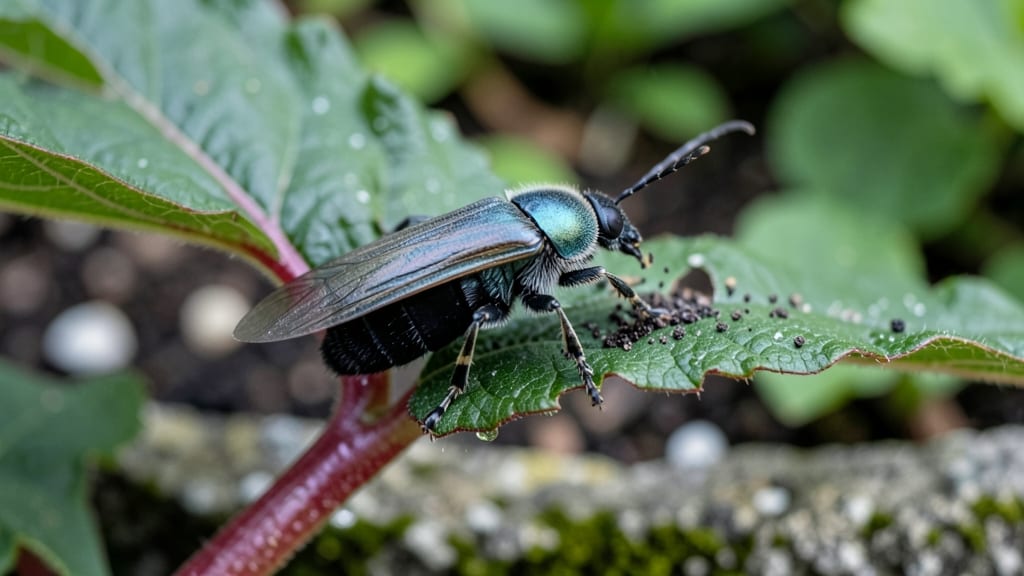
Your prized roses aren’t the only things getting sliced up—the leaf cutter beetle damage turns lush plants into lace with terrifying precision. 🌿 I’ve watched these tiny green men strip my garden bare in just a few weeks, and I’ll show you how to spot the damage early and stop them before they ruin your season.
The first clue? Clean, precise notches along leaf edges—like someone used scissors. Adult beetles leave behind shiny, greenish-black larvae that look like tiny alligators, while the adults chew semi-circular patterns. If you see these, act fast—they multiply faster than weeds in spring.
You’ll reclaim your garden by combining physical barriers, neem oil sprays, and introducing natural predators like parasitic wasps. My roses now stay vibrant because I caught the infestation early and used a foolproof three-step defense. Works for roses, fruit trees, and even vegetable gardens.
Let’s get those plants back to full, healthy growth!
Root Causes Of Leaf Cutter Beetle Attacks
The leaf cutter beetle—often mistaken for a harmless garden visitor—is actually a voracious defoliator that can strip your plants bare in weeks. Understanding why these pests target your yard helps you predict and prevent their damage before it starts. Below, we break down the key factors driving their destructive behavior.
Leaf cutter beetles (like the Chrysomela scripta, or cottonwood leaf beetle) are opportunistic feeders. They seek out plants that are already struggling due to:
- Nutrient deficiencies: Plants low in nitrogen or other essential nutrients produce tender, nutrient-rich leaves that beetles can’t resist. Think of it like a buffet sign for pests!
- Drought stress: Water-deprived plants often overproduce sugars in their leaves to survive, making them sweeter and more appealing to beetles.
- Compromised root systems: Compacted soil, poor drainage, or root diseases weaken plants, making them easier prey. Beetles can detect these vulnerabilities through volatile organic compounds (VOCs) emitted by stressed foliage.
Actionable fix: Conduct a soil test to check nutrient levels and water deeply but infrequently to encourage deep root growth. Mulching also helps retain moisture and reduce stress.
Not all plants are equally attractive to leaf cutter beetles. These pests have preferred menus, typically favoring:
| High-Risk Plants | Why They’re Vulnerable |
|---|---|
| Willows, cottonwoods, and poplars | These trees contain salicylic acid, a compound that beetles find irresistible. Their leaves are also soft and easy to chew. |
| Fruit trees (e.g., apple, cherry, plum) | Young, tender leaves are packed with sugars, making them a high-energy snack for beetles. |
| Ornamental shrubs (e.g., lilacs, roses) | Beetles target new growth, which is more nutrient-dense than mature leaves. |
Actionable fix: If you have high-risk plants, prune them regularly to remove new growth (which beetles love) and consider resistant varieties if possible. For example, some hybrid willows are less appealing.
Leaf cutter beetles thrive in specific environmental conditions. Their activity peaks when:
- Temperatures rise above 70°F (21°C): Beetles are cold-blooded and become more active in heat. Warmer microclimates—like those near south-facing walls or dense shrubbery—accelerate their life cycle.
- Humidity is moderate: While they dislike soggy conditions, they prefer areas with consistent moisture in the soil (not the air). This is why they often target irrigated gardens or areas with poor drainage.
- Overgrown or unkempt yards provide shelter: Beetles hide in leaf litter, under mulch, or in dense foliage during the day and emerge to feed at dawn and dusk.
Actionable fix:
- ✅ Reduce shelter: Trim back overgrown plants and clear leaf debris from garden beds.
- ✅ Adjust irrigation: Water deeply but less frequently to avoid creating beetle-friendly moisture levels.
- ✅ Use reflective mulch: Light-colored mulch (like gravel) can reflect heat and deter beetles from laying eggs nearby.
Leaf cutter beetles have a two-year life cycle, and their damage timing is tied to plant growth patterns:
- Spring emergence (April–May): Adult beetles emerge to feed on new leaf growth, which is their favorite food source. This coincides with when plants are most vulnerable after winter dormancy.
- Summer egg-laying (June–July): Females lay eggs in slits they chew into leaves, ensuring larvae (which look like tiny, spiny grubs) hatch onto a fresh food supply.
- Fall pupation (September–October): Larvae drop to the ground, pupate in the soil, and overwinter as pupae or adults, ready to repeat the cycle.
Actionable fix:
- 🔥 Monitor timing: Set up yellow sticky traps in spring to catch adult beetles before they lay eggs.
- 🔪 Handpick eggs: Inspect leaves weekly for egg clusters (they look like tiny orange ovals) and destroy them.
- 🌡️ Disrupt pupation: Till the soil in late summer to expose pupae to predators (birds, ground beetles) or dry conditions.
By addressing these root causes—plant health, host plant selection, environmental conditions, and life cycle timing—you can dramatically reduce leaf cutter beetle damage before it becomes a full-blown infestation. The key is proactive prevention over reactive treatments.
Quick Fixes for Leaf Cutter Beetle Havoc
If your garden or lawn is under siege by leaf cutter beetles, don’t panic—there are practical ways to reclaim your green spaces. These pests are sneaky, but with the right strategies, you can minimize their damage and even prevent future infestations.
Below, we’ll break down cause-specific solutions to tackle the problem head-on, from immediate fixes to long-term prevention.
Leaf cutter beetles start their destruction by cutting leaves into neat pieces and carrying them back to their nests (often underground). The frass—chewed leaf debris—is a dead giveaway.
How to Fix It:
- 🍂 Collect and dispose of frass piles – Use gloves to gather the chewed leaf fragments and drop them into a sealed bag or bucket. These piles are where beetle larvae thrive, so removing them disrupts their life cycle.
- 🌿 Prune affected foliage – Trim heavily damaged leaves and dispose of them in the trash (not compost). Focus on young, tender leaves, which are their favorite snack.
- 🌡️ Time it right – Early morning or late evening is best when beetles are less active.
Prevention Tip: 💡 Regularly inspect your plants, especially in spring and summer, when beetle activity peaks. A quick weekly sweep can stop small problems before they grow.
Since these beetles fly and crawl, blocking their path can be surprisingly effective.
How to Fix It:
- 🏡 Install fine mesh netting – Cover young plants, seedlings, or vulnerable shrubs with fine insect netting (like tulle or agricultural mesh). Secure it tightly to prevent beetles from sneaking in.
- 🪟 Apply sticky traps – Place yellow sticky traps near infested areas. Beetles are attracted to yellow and will get stuck, reducing their numbers.
- 🚫 Seal entry points – If beetles are nesting in mulch or soil, consider replacing organic mulch with gravel or landscape fabric to make it harder for them to dig.
Prevention Tip: ✨ For high-value plants, like roses or citrus trees, wrap the stems in copper tape—beetles dislike the sensation and will avoid it.
Leaf cutter beetles prefer dry, sunny conditions. Adjusting your watering habits can make your garden less inviting.
How to Fix It:
- 💧 Increase watering frequency – Keep soil consistently moist (but not soggy). Beetles avoid damp environments, so watering early in the morning helps leaves dry quickly, reducing attractiveness.
- 🌧️ Use overhead sprinklers – A light misting can wash away beetles from leaves. Do this in the late afternoon to avoid fungal issues.
- 🌱 Mulch strategically – If you must use organic mulch, opt for thicker layers (3-4 inches) to deter digging. Avoid mulching too close to plant stems.
Prevention Tip: 🎯 Drip irrigation systems deliver water directly to roots, keeping foliage dry and less appealing to beetles.
When physical methods aren’t enough, repellents can provide extra protection.
How to Fix It:
- 🌿 Neem oil spray – Mix 1 tsp neem oil + 1 tsp mild soap + 1 quart water, then spray on leaves. Reapply every 5-7 days. Neem disrupts their feeding and reproduction.
- 🍋 Vinegar spray – Combine 1 gallon water + 1 cup white vinegar + 1 tbsp dish soap. Spray on leaves (avoid flowers). The strong smell repels beetles.
- 🪲 Introduce beneficial predators – Ground beetles, parasitic wasps, and birds eat leaf cutter beetle larvae. Attract them with native plants or birdhouses.
- 💊 Chemical control (last resort) – If infestations are severe, use pyrethrin-based sprays or neonicotinoid treatments (follow label instructions). Reapply every 7-10 days for best results.
Prevention Tip: 🔥 Rotate repellent methods to prevent beetles from building resistance. Never apply chemicals in extreme heat or direct sunlight.
Some plants are more resistant to leaf cutter beetles. Upgrading your garden’s defenses can help.
How to Fix It:
- 🌿 Choose tougher plants – Beetles favor tender new growth, so opt for mature, woody plants like lavender, rosemary, or boxwood, which they avoid.
- 🍃 Prune strategically – Remove succulent new growth in early spring to deny beetles their favorite food source.
- 🌱 Interplant with repellent herbs – Basil, mint, and thyme naturally repel leaf cutter beetles. Plant them near vulnerable species.
Prevention Tip: 💡 If you love ornamental plants, consider raising them in containers and moving them indoors during peak beetle season (late spring to early summer).
The key to stopping leaf cutter beetle damage is early detection and swift action.
How to Fix It:
- 🔍 Inspect weekly – Check the undersides of leaves, mulch, and soil surface for frass piles or beetles.
- 🕒 Strike at dawn/dusk – Beetles are most active during cool hours. This is the best time to handpick them or apply sprays.
- 📅 Keep a damage log – Track which plants are affected and note when damage worsens. This helps you adjust your strategy.
Prevention Tip: ⏰ Set a weekly reminder to check your garden. Catching an infestation early saves time and effort later!
Final Note: While leaf cutter beetles can be a nuisance, combining physical barriers, repellents, and plant resilience will give your garden the best chance of staying pest-free. Stay vigilant, and your green spaces will thrive! 🌿💪
Frequently asked questions
What do leaf cutter beetle larvae look like?
Leaf cutter beetle larvae resemble tiny, spiny green grubs about ½ inch long. They have a distinctive alligator-like appearance with a segmented body and small legs. Look for them clustered near chewed leaf fragments or under mulch—they’re often hidden during the day.
Will leaf cutter beetles harm my fruit trees?
Yes, they can severely damage fruit trees by stripping leaves, which weakens the tree and reduces fruit production. They especially target apple, cherry, and plum trees—young, tender leaves are their favorite. Without foliage, trees can’t photosynthesize properly, leading to stunted growth or even death in extreme cases.
How long does it take for leaf cutter beetle damage to show?
Damage can appear within 3-5 days if beetles are actively feeding. Look for clean, scalloped edges on leaves or piles of chewed leaf fragments (frass). Adult beetles start feeding in spring (April-May), so check plants weekly during this peak season to catch early signs.
Are there any plants that leaf cutter beetles avoid?
Yes! Beetles tend to avoid woody, mature plants like lavender, rosemary, and boxwood. Herbs such as basil, mint, and thyme also act as natural repellents. For high-risk plants, try interplanting these or using containers that you can move indoors during peak beetle season.
Can I use homemade sprays to stop leaf cutter beetles?
A neem oil spray (1 tsp neem oil + 1 tsp mild soap + 1 quart water) or vinegar solution (1 gallon water + 1 cup white vinegar + 1 tbsp dish soap) works well. Spray leaves thoroughly every 5-7 days—these disrupt beetle feeding and reproduction without harsh chemicals.