
Propagation
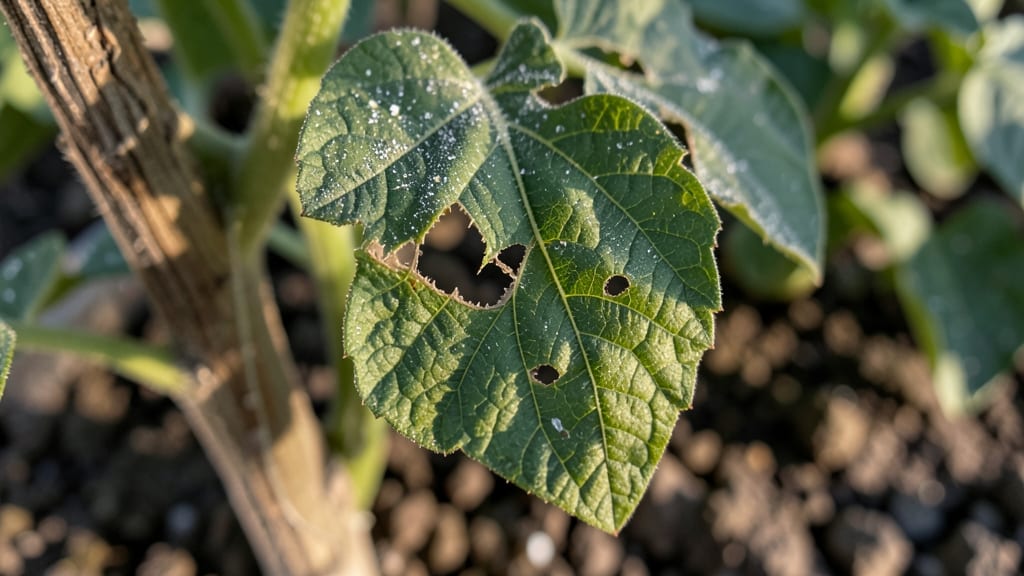
Leaf damage from insects can turn your thriving plants into a chewed-up mess overnight. 🌿 I’ve watched caterpillars strip my tomato plants bare in just hours, and the panic of seeing holes in leaves—especially on prized vegetables—is real.
The good news? Most damage is fixable with quick action, and organic solutions work better than you’d think.
First, identify the culprit: chewed edges mean beetles or caterpillars, while tiny webs or stippled leaves signal spider mites. Tomatoes often fall victim to tomato hornworms (those giant green caterpillars), while roses usually battle aphids or Japanese beetles.
The key is catching it early—before the pests become a full-blown infestation. A simple spray of neem oil or soapy water can stop small outbreaks cold.
You’ll feel a sense of relief once you see the damage slow down—especially when you start seeing new, undamaged leaves emerge. The real win? Preventing future attacks with companion planting (like basil for tomatoes) or introducing beneficial insects like ladybugs.
It’s not just about saving the leaves; it’s about restoring your garden’s health without harsh chemicals.
This works for vegetables, flowers, and shrubs alike, so don’t let a few pests derail your season. Let’s turn those ragged leaves into lush, pest-free foliage—starting today.
The Hidden Triggers Behind Chewed Leaves
When your plants start looking like a buffet for tiny critters, it’s rarely just bad luck—it’s usually a mix of environmental cues, plant health, and insect behavior. Understanding why these pests target your foliage is the first step to stopping the damage before it spirals.
Below, we break down the science-backed reasons behind insect-induced leaf destruction, from chemical signals to seasonal shifts.
Healthy plants produce natural defenses like tannins, resins, and volatile organic compounds (VOCs) that deter insects. But when plants are stressed—whether from overwatering, nutrient deficiencies, or disease—they become easier targets. Here’s how it plays out:
- Nitrogen Deficiency:
Insects like aphids and Japanese beetles are drawn to nitrogen-rich leaves because they’re softer and more nutritious. A yellowing, stunted plant signals it’s already struggling to synthesize proteins, making it a prime snack.
- Overwatering or Poor Drainage:
Soggy roots weaken a plant’s immune response, leaving it vulnerable to slugs, caterpillars, and root-feeding beetles. Excess moisture also attracts fungal diseases, which further stress the plant and make it more appealing to herbivores.
- Disease or Pest Pre-Infestation:
If spider mites or whiteflies have already feasted on your plant, they may leave behind honeydew—a sticky residue that attracts ants (who “farm” the mites) and sooty mold, which blocks sunlight. This creates a feedback loop of stress and damage.
💡 Pro Tip: Conduct a soil test and check for chlorosis (yellowing between veins) or necrosis (dead tissue). If your plant’s defenses are down, it’s time to boost its resilience before insects move in.
Plants don’t just sit quietly while being eaten—they release distress signals that insects can detect. Some pests are hardwired to seek out these chemical cues:
| Plant Stress Signal | Insects Drawn To It | What It Smells/Tastes Like |
|---|---|---|
| Volatile Organic Compounds (VOCs) (e.g., methyl salicylate) |
Cabbage worms, leaf miners | Like wintergreen or aspirin—some insects use these as “find me” signals. |
| Honeydew Residue (Sugary excretion from aphids) |
Ants, fruit flies, scale insects | Sticky, fermenting sweetness—ants “farm” aphids for this very reason. |
| Damaged Cell Sap (High in sugars/amino acids) |
Japanese beetles, tomato hornworms | Like a liquid protein shake—these pests can detect it from meters away. |
🔥 Key Insight: Some insects, like parasitoid wasps, actually hunt these signals to find their prey. If your plant is emitting too many distress cues, it’s a double whammy: more herbivores and their predators.
Insect activity isn’t random—it’s tied to temperature, humidity, and life cycles. Here’s when your plants are most at risk:
- Spring Warmth:
As soil warms, grubs and beetle larvae emerge to feed on tender new growth. Japanese beetles also start mating in late spring, leading to explosive infestations on roses and grapes.
- Summer Drought Stress:
When roots can’t access water, plants produce osmoprotectants (chemicals like proline) to survive. Unfortunately, these compounds can attract pests like thrips and whiteflies, which thrive in dry, dusty conditions.
- Fall Foliage Feasts:
As days shorten, insects like fall webworms and tent caterpillars target stressed trees (especially oaks and maples) to stock up for winter. Overripe fruit and dropping leaves create a perfect buffet.
- Humidity Hotspots:
High moisture levels (like in greenhouses or after rain) encourage fungus gnats and slugs. Meanwhile, dry heat attracts spider mites, which desiccate leaves by sucking out moisture.
✨ Seasonal Hack: Monitor your local insect emergence patterns (check your state’s agricultural extension service) to time preventive sprays or barrier treatments before pests arrive.
Sometimes, the problem isn’t nature—it’s us. Unintentional gardening mistakes can turn your yard into an insect paradise:
- Over-Fertilizing with Nitrogen:
While nitrogen promotes lush growth, it also makes leaves softer and more palatable to pests like cutworms and slugs. Think of it as growing a fast-food joint for insects.
- Ignoring Mulch Piles or Debris:
Leaves, grass clippings, and wood chips create microclimates where pests like earwigs and sawfly larvae hide and multiply. A single mulch pile can harbor thousands of eggs over a season.
- Planting Monocultures:
Large patches of the same plant (e.g., a vegetable garden full of tomatoes) send a loud chemical signal to insects: “All you can eat!” This is why colorado potato beetles devastate potato fields.
- Using Broad-Spectrum Pesticides:
These kill beneficial insects (like ladybugs and lacewings) that control pests naturally. Without predators, herbivores like aphids and whiteflies reproduce unchecked.
Fixing Chewed Leaves Naturally
Now that you’ve identified the culprits behind those pesky bite marks, it’s time to take action! The good news? You don’t need harsh chemicals to restore your plants’ health.
Below are practical, organic solutions tailored to the most common causes of leaf damage from insects—plus prevention tips to keep your greenery thriving long-term.
Japanese beetles are notorious for skeletonizing leaves, leaving behind a lacy mess. Stop the feast with these steps:
- 🔥 Make a Homemade Spray Mix 1 tsp of dish soap (like Dawn) with 1 quart of water in a spray bottle. The soap disrupts their waxy outer layer, causing dehydration. Pro tip: Add a few drops of neem oil for extra pest-repelling power.
- 👨🍳 Spray Early & Often Apply the solution in the morning or evening (when bees aren’t active) and reapply every 3–5 days or after rain. Focus on the top and bottom of leaves, where beetles hide.
- 🌡️ Handpick & Drown Drop beetles into a bucket of soapy water—it’s satisfying and effective! Do this daily during peak feeding hours (10 AM–4 PM).
- 🎯 Prevent Future Visits
- Plant traps: Grow rose marijn or fennel nearby—beetles love them but won’t bother your veggies.
- Mulch with grass clippings (beetles lay eggs in them).
- Avoid overwatering—dry soil deters them.
Tiny but mighty, these sap-suckers weaken plants fast. Knock them out with these high-pressure tactics:
- 💡 Blast Off with Water A strong stream from the hose (especially on the undersides of leaves) washes away aphids and eggs. Do this every 2–3 days during outbreaks.
- 🌿 Introduce Beneficial Bugs Ladybugs, lacewings, and parasitic wasps (like Aphidius colemani) are aphid assassins. Buy them online or attract them with dill, cilantro, or marigolds.
- 🥘 DIY Garlic & Chili Spray Blend 2 garlic cloves + 1 tbsp cayenne pepper + 1 quart water. Strain, add 1 tsp soap, and spray directly on pests. Reapply every 5 days.
- ✨ Long-Term Defense
- Prune infected leaves immediately (don’t compost them—bag and trash them!).
- Use reflective mulch (aluminum foil or silver plastic) to disorient mites.
- Avoid over-fertilizing—soft new growth attracts aphids.
Caterpillars (like tomato hornworms) can devour leaves overnight. Outsmart them with these tricks:
- 🔪 Manual Removal (Best for Small Gardens) Pick them off by hand and drop them into soapy water. Check plants daily at dawn—they’re sluggish then.
- 🍳 Bacillus Thuringiensis (BT) Spray This organic bacteria (sold as Dipel or Xentari) is safe for humans and pets but deadly to caterpillars. Mix with water and spray every 7–10 days.
- 🌿 Plant Sacrificial Traps Grow nasturtiums or dill nearby—caterpillars prefer these over your veggies.
- 🎯 Prevent Eggs from Hatching
- Remove old plant debris (eggs hide in dead leaves).
- Use row covers for young plants.
- Plant basil near tomatoes—its scent repels hornworms.
These tiny white pests flock to the undersides of leaves, causing yellowing and sticky residue. Vacuum them up with these methods:
- 🔪 Yellow Sticky Traps Hang yellow cards coated in petroleum jelly near plants. Whiteflies are drawn to yellow and get stuck.
- 🌡️ Fan Them Away Place a small fan on low near plants for 10–15 minutes daily. The airflow disorients and kills them.
- 🥘 Neem Oil Spray Mix 1 tbsp neem oil + 1 tsp soap + 1 quart water. Spray every 5–7 days until they’re gone.
- 💡 Prevent Reinvasion
- Isolate new plants for a week before adding them to your garden.
- Avoid overwatering—whiteflies love damp soil.
- Encourage parasitic wasps (they lay eggs inside whitefly larvae).
The best defense? A healthy, resilient garden. Follow these easy habits to minimize future damage:
- 🌿 Rotate crops yearly to disrupt pest life cycles. - 💧 Water at the base (not overhead) to avoid attracting soft-bodied insects. - 🌱 Interplant flowers (like marigolds, alyssum, or calendula) to confuse pests. - 🔍 Inspect new plants before bringing them home—quarantine for 2 weeks if possible. - 🌡️ Maintain plant health—stressed plants are pest magnets.
Ensure proper sunlight, water, and nutrients.
Final Thought: 🌟 Patience is key! Some pests take 2–3 weeks to fully eradicate, but consistent action will keep your garden lush and pest-free. Once you spot the first signs, act fast—your plants will thank you!
Frequently asked questions
What are the most common signs of insect damage on leaves?
Look for chewed edges, holes, or skeletonized patterns (like lacework) from beetles or caterpillars. Sap-sucking pests like aphids or spider mites leave stippled yellowing, sticky residue (honeydew), or fine webbing on leaf undersides. Early detection is key—check undersides and new growth first!
Can I save a plant with severe leaf damage from insects?
Yes, but act fast! Prune heavily damaged leaves immediately (don’t compost them) and treat the remaining plant with neem oil or insecticidal soap. For tomato hornworms or Japanese beetles, manual removal works wonders. If roots are healthy, new growth will emerge in 2-3 weeks with consistent care.
How do I tell if my plant has mites vs. aphids?
Check the leaf undersides—aphids are tiny, soft-bodied insects clustered together, while spider mites leave fine webbing and cause stippled yellowing. Use a magnifying glass: aphids are 1/16 inch long, mites are microscopic. Aphids produce sticky honeydew; mites don’t.
Will homemade sprays really work against pests like Japanese beetles?
A mix of 1 tsp dish soap + 1 quart water + a few drops of neem oil disrupts beetles’ protective wax layer. Spray early morning/evening (avoid bees) and reapply every 3-5 days. For stubborn cases, combine with handpicking—drop beetles into soapy water. Consistency is key!
Why do some plants seem immune to pests while others get eaten alive?
Healthy plants produce natural defenses like tannins and resins, but stressed plants (from overwatering, poor soil, or nutrient deficiencies) become easy targets. Use companion planting (like basil with tomatoes) and rotate crops yearly to confuse pests. Strong roots = stronger resistance!