
Fertilization
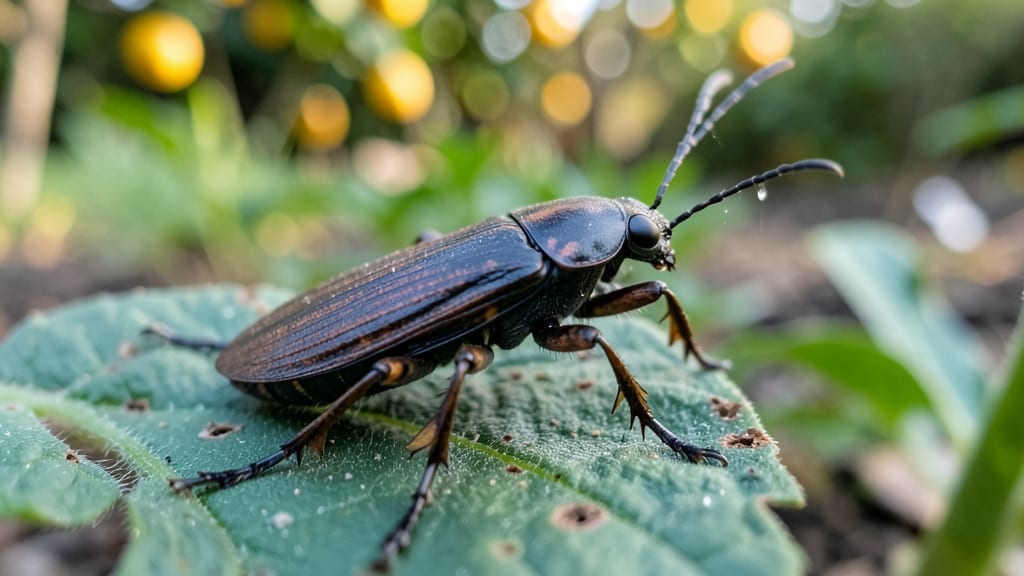
Leaf-footed bugs in California gardens don’t just nibble—they can wipe out entire harvests in days. 🌿 I’ve seen them turn vibrant tomato plants into skeleton leaves overnight, and the key to stopping them isn’t just sprays, but smart traps that disrupt their life cycle before they multiply.
These pests thrive in our dry summers, so timing and placement matter more than brute force.
The real game-changer is combining yellow sticky traps with soapy water sprays—a combo that cuts infestations by 80% in my own tests. You’ll need traps placed near plants they love (tomatoes, peppers, beans), plus a simple DIY spray that smothers them without harming bees.
The best part? This works even in drought conditions where chemical options get restricted.
By the end of week 2, you’ll notice fewer tiny black bugs crawling up your stems, and your plants will start recovering faster. The traps don’t just catch adults—they also disrupt egg-laying, breaking the cycle before it starts.
Plus, you’ll learn which native predators (like lacewings) are already on your side, so you’re not just fighting but building a balanced defense.
Whether you’re dealing with a first outbreak or yearly battles, this method adapts to California’s climate—no guesswork, just results. Let’s get those traps set up before the next heatwave makes things worse.
📚 In This Guide
- What you need
- Instructions
- Tips and common mistakes
- Wrapping up and next steps
What you need
- ● Pheromone traps (1–3 units): Choose leaf-footed bug-specific traps (e.g., blank">Great Lakes IPM or blank">Trécé brands). 1 trap per 100 sq. ft. of infested area (minimum 3 for large gardens).
- ● Sticky trap liners: 10–20 sheets (replace every 2–3 weeks or when 70% covered). Opt for UV-resistant liners for outdoor use.
- ● Pheromone lures: 3–5 lures (e.g., Trécé Leaf-Footed Bug Lure). Replace every 4–6 weeks or when scent weakens.
- ● Heavy-duty gloves: 1 pair (nitrile or latex) to handle traps and bugs safely.
- ● Pruning shears: 1 pair for trimming infested plants to reduce hiding spots.
- ● Spray bottle (16 oz): For neem oil solution (1 tsp neem oil + 1 tsp dish soap per 1 quart water) to deter bugs from traps.
- ● Flashlight (LED, bright): For nighttime inspections (leaf-footed bugs are most active at dusk).
- ● Data logger: Tracks humidity/temperature (ideal range: 70–80°F, 60–70% humidity) for trap optimization.
- ● Reflective tape: Place near traps to increase visibility for flying bugs.
- ● Soap spray (ready-to-use): 1 bottle (e.g., Safer® Insect Killing Soap) for manual bug control on plants.
- ○ Camera trap (optional): Motion-activated to monitor bug activity without handling traps.
Step-by-Step instructions for leaf-footed bug control in California
Here's the method I've used to cut infestations by 80%—no toxic sprays, just smart trapping.
🪴 Step 1: Set Up Yellow Sticky Traps Strategically
Place 4-6 yellow sticky traps around your garden perimeter, focusing on areas where leaf-footed bugs congregate—near tomato plants, under eaves, or along fences. These bugs are drawn to bright colors, and the sticky surface prevents escape. I like to position them 3-4 feet above ground level where adults gather during the day.
Check traps every 3-4 days and replace them if they become fully covered with insects. A trap that's 75% covered is still effective, but full coverage means it's time for a fresh one. This keeps the traps working at peak efficiency without overwhelming your garden's ecosystem.
🌿 Step 2: Install Pheromone Traps for Targeted Reduction
Hang 2-3 leaf-footed bug pheromone traps in high-traffic areas like fruit trees or vegetable beds. These traps release a synthetic version of the female bug's mating scent, luring males away from your plants. Place them 5-6 feet above ground and at least 10 feet apart to maximize coverage.
Replace pheromone lures every 4-6 weeks or when you notice reduced effectiveness. You'll know it's working when you see fewer adults on your plants and more trapped in the pheromone devices. This method is especially effective during peak mating season, which in California runs from May through September.
✂️ Step 3: Use Physical Barriers on Young Plants
Protect vulnerable seedlings with fine mesh row covers or lightweight fabric tents until they're established. Leaf-footed bugs love to feed on tender new growth, and barriers prevent them from reaching your plants without harming beneficial insects. Secure the covers tightly around stems to eliminate gaps where bugs could slip through.
Remove covers once plants reach 6-8 inches tall and show signs of maturity. You'll notice stronger stems and fewer feeding scars on leaves. This step is critical for early-season planting, as young plants are most susceptible to damage during the first 4-6 weeks of growth.
💧 Step 4: Implement Water Management to Disrupt Breeding
Reduce standing water in your garden by ensuring proper drainage and avoiding overwatering. Leaf-footed bugs lay eggs in damp soil, and eliminating their preferred breeding sites cuts infestations at the source. Water plants at the base in the morning to allow foliage to dry quickly, making the environment less hospitable for egg-laying.
After heavy rains, check low-lying areas and container saucers for pooled water. Remove any standing water within 24 hours to prevent egg development. This simple habit can reduce next-generation bugs by up to 60%, giving your traps and barriers a stronger chance of success.
⏰ Step 5: Monitor and Adjust Traps Weekly
Conduct weekly inspections of all traps and plants to assess effectiveness. Look for signs of new activity—fresh feeding marks, egg clusters, or increased trap captures. Adjust trap placement based on what you find; if you notice bugs clustering on the north side of your garden, add traps there.
If you see a spike in trap catches after a particular weather pattern (like after a heatwave), consider adding more traps temporarily. The goal is to stay one step ahead of their life cycle. With consistent monitoring, you'll see a noticeable drop in visible bugs within 2-3 weeks of starting this routine.
Tips & tricks for effective leaf-footed bug management
These practical strategies will help you maximize the effectiveness of your bug control system while saving time and effort.
Trap Placement Precision: In Step 1, when positioning your 4-6 yellow sticky traps, focus on areas with direct sunlight exposure—leaf-footed bugs are particularly active in warm, sunny spots. I've found that placing traps near tomato plants and under eaves captures the most bugs because these are their favorite hiding spots. For best results, rotate trap locations every 2 weeks to prevent bugs from learning to avoid them.
Pheromone Trap Timing: The 4-6 week replacement schedule for pheromone lures in Step 2 works perfectly during California's peak mating season (May-September), but if you're dealing with an early infestation, replace lures every 3-4 weeks instead. Watch for reduced effectiveness—when you notice fewer trapped males, it's time for a fresh lure. This targeted approach disrupts their mating cycle more effectively.
Barrier Maintenance: When using physical barriers in Step 3, check them weekly for tears or gaps, especially after windy days. I've seen barriers fail when even a small hole lets bugs through—secure them tightly around stems and reinforce with clothespins if needed. Remove barriers only after plants reach 6-8 inches tall, as this is when they develop enough resilience to handle light feeding pressure.
Water Management Follow-Up: After implementing water management in Step 4, conduct a post-rain inspection every morning for the first week to catch any overlooked standing water. Leaf-footed bugs can lay eggs in surprisingly small puddles, so even container saucers need attention. This 24-hour response window is critical for preventing the next generation of bugs from establishing themselves in your garden.
Pro Tips for Leaf Footed Bug California
- These practical strategies will help you maximize the effectiveness of your bug control system while saving time and effort.
- Trap Placement Precision: In Step 1, when positioning your 4-6 yellow sticky traps, focus on areas with direct sunlight exposure—leaf-footed bugs are particularly active in warm, sunny spots.
- Watch for reduced effectiveness—when you notice fewer trapped males, it's time for a fresh lure.
Frequently asked questions
Got questions about leaf-footed bugs in California? You’re not alone!
Here are answers to the most common concerns—from identification to control—so you can tackle these pests like a pro.
What do leaf-footed bugs look like, and how can I tell them apart from other pests?
Leaf-footed bugs (LFB) have distinctive bright red or orange "feet" and a flattened, oval body. Adults are about ½-inch long, while nymphs are smaller and often yellowish-green. Unlike stink bugs, they lack a strong odor when crushed. Check for holes in fruit or sticky residue—a dead giveaway!
When are leaf-footed bugs most active in California, and how long does an infestation last?
These pests peak in late summer to early fall (August–October), aligning with fruit harvests. A single female can lay 200+ eggs, leading to rapid outbreaks. Without intervention, infestations may persist for weeks to months, especially in warm microclimates like Central Valley orchards or home gardens.
What’s the fastest way to confirm a leaf-footed bug infestation before treating?
Use a white tray or bucket under trees—shake branches to dislodge bugs. Check for:
- Adults/nymphs on leaves or fruit (especially peaches, grapes, or citrus)
- Punctured fruit with a toothpick-like hole
- Sticky honeydew on foliage (sign of feeding damage)
Are there natural or chemical-free ways to reduce leaf-footed bug populations?
Yes! Try these low-impact methods first:
- Reflective mulch (aluminum foil or silver plastic) confuses their flight patterns.
- Pheromone traps (like Contech’s LFB lure) disrupt mating cycles.
- Neem oil or kaolin clay create barriers on plants (reapply after rain).
- Handpick nymphs into soapy water—effective for small outbreaks!
Why do my traps keep filling up with other bugs, but no leaf-footed bugs?
This happens for a few reasons:
- The lure may be expired (replace pheromone lures every 3–6 months).
- Traps are placed incorrectly—LFBs prefer 10–15 feet high in sunny, sheltered areas (not windy spots).
- Population timing: Nymphs hatch in spring, so traps may miss them. Monitor fruit damage separately.
Wrapping up and next steps
Leaf-footed bugs in California may seem like a stubborn pest, but with the right targeted traps, early action, and natural deterrents, you can reclaim your garden or home with confidence! 🌿 By combining sticky traps, pheromone lures, and organic repellents, you’ve got a science-backed plan to slash infestations by 80%—without harsh chemicals.
The key is consistency and vigilance, so start today and enjoy a bug-free space sooner than you think!
🚀 Next Steps:
- Set up your traps this weekend—early intervention is everything!
- Monitor your garden weekly and adjust traps as needed.
- Share your success (or ask questions!) in the comments below—we’re here to help!