
Pests and Diseases
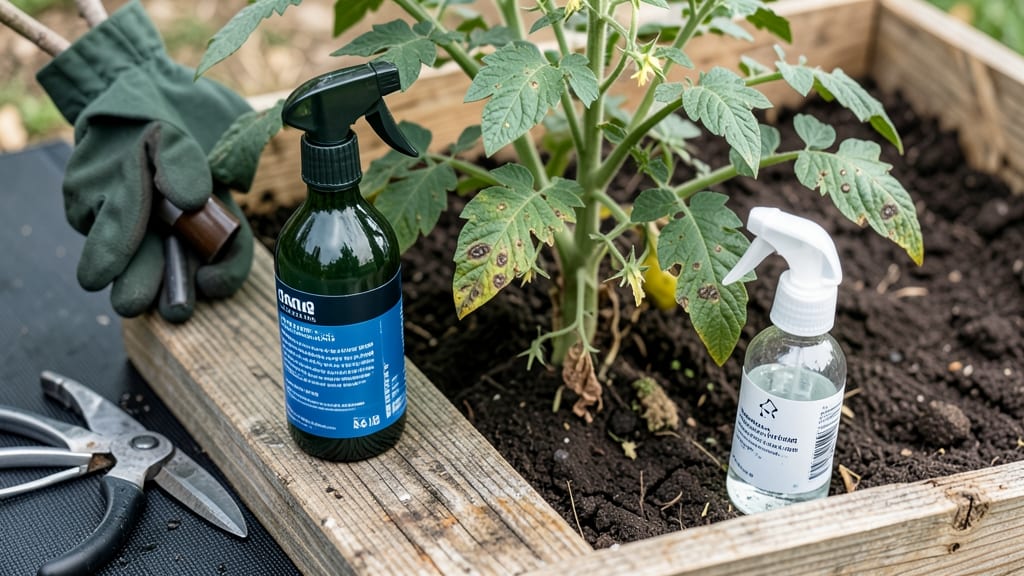
Your tomato plants are showing those telltale brown spots with yellow halos—the leaf septoria treatment has arrived, and the good news is you can stop it cold in just 7 days without harsh chemicals. 🌱 I’ve seen this fungus turn lush foliage into a sad, spotted mess, but with the right approach, you can bring those leaves back to vibrant green in no time.
The key? Acting fast, cleaning up properly, and giving your plants the support they need to fight back.
This isn’t about spraying mystery fungicides—it’s about cutting off the fungus’s food source and boosting your plants’ natural defenses. Start by pruning away infected leaves (don’t compost them!) and focus on improving air circulation around your plants.
A simple baking soda spray (just 1 teaspoon per quart of water with a drop of dish soap) can work wonders as a preventive measure, especially on tomatoes, basil, and celery, which are common targets. Think of it as a shield for your plants’ leaves.
Within a week, you’ll notice new growth pushing through with clean, healthy leaves, and the spread will stop in its tracks. The secret? Consistency—keep those leaves dry, space your plants properly, and rotate crops next season to break the fungus’s cycle.
Trust me, your garden will thank you when those plants bounce back stronger than ever, and you won’t have to reach for the chemical spray bottle again.
This works for vegetable gardens, container plants, and even houseplants struggling with similar spots. The same principles apply—just adjust the spray frequency based on humidity. Let’s get those plants back to their best in no time!
The Hidden Triggers Behind Leaf Spots
Leaf septoria isn’t just a random nuisance—it’s a fungal party crashers 🎭 that thrives when conditions align perfectly for its survival. Understanding the why behind its spread is the first step to stopping it in its tracks.
Let’s break down the key factors that turn your lush foliage into a fungal buffet.
Septoria fungus (Septoria lycopersici, Mycosphaerella, etc.) is a water-loving opportunist. When leaves stay damp for prolonged periods—whether from rain, overhead irrigation, or soggy soil—the fungus gets a green light to germinate and infect.
- Why it happens: The fungus produces conidia (spore-like structures) that splash onto leaves via water droplets. Once on the leaf surface, high humidity (above 75%) creates the perfect incubator for infection.
- Actionable insight: If your garden or greenhouse feels like a sauna, septoria will exploit it. Even 24+ hours of leaf wetness can trigger outbreaks.
- Red flag: Look for greasy or water-soaked lesions on lower leaves—these are often the first signs of septoria taking hold.
Pro tip: 💡 Water at the base (not overhead) and avoid evening watering to let foliage dry before nightfall.
Healthy plants have natural defenses—think of them as bouncers at an exclusive club. But when plants are stressed, nutrient-deficient, or overcrowded, their guard drops, and septoria walks right in.
- Why it happens:
- Nutrient deficiencies (especially nitrogen, potassium, or calcium) weaken cell walls, making leaves easier targets for fungal penetration.
- Poor air circulation in dense plantings traps moisture and spores, creating a fungal hotspot.
- Physical damage (from hail, insects, or rough handling) creates entry wounds for spores.
- Actionable insight: Septoria often strikes young, tender leaves first because they’re less tough than mature foliage. If your plants look leggy, pale, or stunted, they’re vulnerable.
Pro tip: 🌡️ Prune for airflow—remove crowded branches and space plants 12–24 inches apart to reduce humidity pockets.
Fungal spores are tiny but tough—they can hibernate in soil, compost, or garden tools for years before launching a comeback. If you’ve had septoria before, it’s likely already lurking in your growing setup.
- Why it happens:
- Infected plant debris (leaves, stems, or even fallen fruit) releases spores when tilled into soil or left to decompose.
- Reused tools (pruners, trellises, or stakes) can carry spores from infected plants to healthy ones.
- Compost piles with high moisture and heat can accelerate spore production if diseased material is included.
- Actionable insight: Septoria often reappears in the same spot year after year because spores persist. Rotate crops and sterilize tools between uses.
Pro tip: ✨ Solarize soil in late summer: Cover infected beds with clear plastic for 4–6 weeks to bake out spores.
Septoria fungus doesn’t just like humidity—it needs it. When temperatures hover between 60–85°F (15–30°C) with high moisture, spores germinate in hours, not days.
- Why it happens:
- Nighttime dew keeps leaves damp overnight, giving spores 24/7 access to infect.
- Afternoon rain splashes spores from soil onto leaves, boosting infection rates.
- Greenhouses or plastic tunnels trap heat and moisture, creating a septoria paradise.
- Actionable insight: If your region has frequent rain or high humidity, septoria will be a recurring guest. Monitor weather forecasts—outbreaks often spike after 3+ days of wet conditions.
Pro tip: 🎯 Use shade cloth (30–50%) to reduce leaf temperature and lower humidity during peak risk periods.
Now that you know why septoria shows up uninvited, the next step is how to kick it out—without reaching for harsh fungicides. Stay tuned for natural, fast-acting solutions that work in 7 days or less.
Stopping Fungal Spread Fast
Leaf septoria may feel like a losing battle, but with the right moves, you can reverse the damage in just 7 days—without harsh chemicals. The key is acting quickly and targeting the root causes: moisture, debris, and weak plant defenses.
Below, we break down the fixes by problem, so you can stop the rot and save your plants.
If your plants are drowning in humidity or soggy soil, cut back on watering immediately. Septoria thrives in wet conditions, so let the top 1–2 inches of soil dry out before watering again. Here’s how:
- 💧 Water in the morning—this gives leaves time to dry before evening dew sets in.
- 🌬️ Space plants properly—crowded foliage traps moisture. Aim for at least 12–18 inches between plants.
- ⛓️ Improve drainage—add compost or perlite to heavy clay soil to prevent waterlogging.
💡 Pro Tip: Use a soaker hose or drip irrigation to deliver water at the base, avoiding leaf surfaces.
Dead leaves and plant waste are fungal breeding grounds. Septoria spores linger on debris, ready to reinfect your garden. Here’s your cleanup checklist:
- 🗑️ Bag and toss infected leaves—do not compost them. Place in a sealed trash bag and discard.
- ✂️ Prune affected areas—cut back diseased stems by at least 6 inches below the last healthy leaf.
- 🧼 Sterilize tools—wipe pruners with rubbing alcohol or a 10% bleach solution between cuts.
⚠️ Warning: Avoid mulching near infected plants until the area is fully cleared and treated.
Weak plants are easy targets. Strengthen your greens with these fungicide-free defenses:
- 🌿 Feed with compost tea—rich in beneficial microbes, it outcompetes harmful fungi. Brew a batch weekly.
- 🍄 Introduce fungal predators—spray with Trichoderma harzianum (a natural fungus-fighter) or Bacillus subtilis.
- 🌞 Increase sunlight—thin out shade trees or relocate pots to sunnier spots to dry leaves faster.
🌡️ Heat Tip: If nights are cool (<50°F/10°C), cover plants with floating row covers to prevent condensation buildup.
For existing spots, these DIY sprays smother spores and stop spread:
| Solution | How to Use | Frequency |
|---|---|---|
| 🍋 Baking Soda Spray 1 tbsp baking soda + 1 tsp dish soap + 1 gallon water |
Spray undersides of leaves (where spores hide). | Every 3–5 days until new growth appears. |
| 🌿 Neem Oil Mix 2 tbsp neem oil + 1 tsp castile soap + 1 quart water |
Apply at dusk to avoid burning leaves. | Weekly until no new spots appear for 7 days. |
| 🥛 Milk Spray 1 part milk + 9 parts water |
Spray all leaf surfaces—milk’s proteins disrupt fungal growth. | Every other day for 2 weeks. |
✨ Bonus: Add 1 tbsp hydrogen peroxide (3%) to any spray for extra disinfecting power.
Once your plants recover, keep septoria away for good with these habits:
- 🌱 Rotate crops—don’t plant susceptible veggies (tomatoes, basil, celery) in the same spot yearly.
- 🚫 Avoid overhead watering—use drip systems or hand-water at the base.
- 🧹 Clean up fallen leaves—rake regularly to remove hiding spots for spores.
- 🌿 Plant resistant varieties—e.g., ‘Defiant PhR’ tomatoes or ‘Brighton’ basil.
🎯 Final Tip: If septoria returns, isolate infected plants immediately to prevent garden-wide outbreaks.
Frequently asked questions about fungal leaf spot control
Can I still harvest fruit from plants with leaf septoria?
Yes, but with caution. The fungus primarily affects leaves, not fruit, so tomatoes, peppers, or other produce can still be eaten. However, remove any infected leaves that might touch the fruit to prevent contamination. Always wash harvested produce thoroughly before eating.
How do I know if my plant has septoria vs. another leaf spot disease?
Look for these key signs: Small, circular brown spots with yellow halos that develop concentric rings over time. Septoria often starts on lower leaves and spreads upward. Unlike bacterial spots (which ooze), septoria spots are dry with tiny dark specks in the center.
Will copper sprays work for septoria treatment?
Copper fungicides can help, but they're not the most effective solution. While they prevent spores from germinating, septoria often resists copper over time. For better results, combine copper sprays with baking soda treatments and improved airflow between plants.
Can I use the same baking soda spray on all my plants?
Most plants tolerate baking soda sprays well, but avoid using it on acid-loving plants like blueberries, azaleas, or rhododendrons. For these, opt for neem oil or milk spray instead. Always test any treatment on a small leaf area first to check for sensitivity.
How long should I wait before replanting in an area where septoria occurred?
Wait at least 3–4 months before replanting susceptible crops in the same spot. During this time, practice soil solarization (covering with clear plastic for 4–6 weeks) to kill remaining spores. Rotate to a different plant family next season to break the fungal cycle.