
Trees
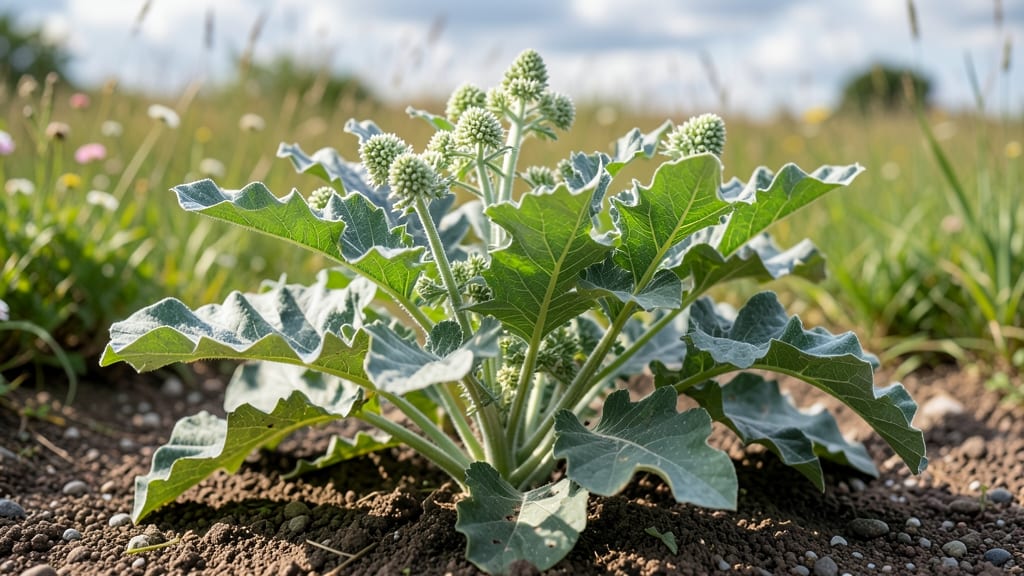
Oak leaf goosefoot thrives where most plants wilt—dry, sunny spots that beg for drama. 🌿 This drought-tolerant perennial packs deep green, oak-like foliage that glows against hot summer skies, making it a standout in low-water landscapes or wildflower meadows.
Native to arid regions of the western U.S., it’s built for survival: once established, it needs almost no watering and handles poor soil like a champ. Plant in full sun with well-draining soil, and it’ll reward you with bold, architectural leaves that last from spring through fall—no fuss, no fluff.
Start with seeds in early spring or transplant young plants after the last frost. Give it space (2–3 feet apart) to spread, and resist the urge to overwater. The secret to its success? Let it dry between waterings—it’s tougher than it looks.
Bonus: Deer and rabbits avoid it, and the leaves add texture to bouquets or dried arrangements. Perfect for pollinator gardens, native plantings, or anywhere you want bold, low-maintenance beauty that doesn’t quit.
📚 In This Guide
- What you need
- Instructions
- Tips and common mistakes
- Wrapping up and next steps
What you need
- ● Seeds: 10–20 oak leaf goosefoot seeds (ensure they’re fresh for best germination).
- ● Well-draining soil: 1–2 cubic feet of a mix with 50% native soil, 30% compost, and 20% perlite/sand (for aeration).
- ● Sunlight: A full-sun to partial-shade spot (6+ hours of sunlight daily).
- ● Watering can or hose: With a gentle spray nozzle (to avoid displacing seeds).
- ● Organic mulch: 1–2 inches of straw or shredded leaves (retains moisture, suppresses weeds).
- ● Garden trowel or transplanting spade (for sowing seeds or moving seedlings).
- ● Seed-starting tray or biodegradable pots (if starting indoors).
- ● Pruning shears (for shaping mature plants or harvesting leaves).
- ○ pH testing kit (optional—ideal soil pH: 6.0–7.5).
- ● A drought-tolerant garden spot (this plant thrives in dry conditions!).
- ● Patience: Germination takes 7–14 days; full maturity in 60–90 days.
- ○ Optional: A lightweight row cover (if protecting young seedlings from pests).
Step-by-step instructions for cultivating oak leaf goosefoot
This striking perennial thrives with minimal fuss—here’s how to establish it for years of bold foliage.
🌱 Step 1: Select the Perfect Planting Site
Oak leaf goosefoot (Chenopodium friedrichkoidanum) demands full sun—at least 6 hours of direct light daily—to develop its signature deep green, oak-shaped leaves. I always scout locations with south or west exposure first, as northern spots yield pale, leggy growth. The soil should be well-draining but moisture-retentive, which means avoiding heavy clay unless amended with 2-3 inches of compost to improve structure.
This plant tolerates poor soil but performs best in slightly alkaline conditions (pH 7.0-8.0). If your soil tests acidic, mix in 1 cup of garden lime per square foot before planting. Here’s the thing—don’t overthink prep. Even compacted soil works if you loosen the top 6 inches with a broadfork, breaking up hardpan to encourage root spread.
🪴 Step 2: Plant Divided Roots or Seeds at the Right Time
For fastest establishment, plant bare-root divisions in early spring (after last frost) or early fall when soil temps hover around 60-65°F. Dig holes twice as wide as the root ball but only as deep—the crown should sit flush with soil level. Space plants 18-24 inches apart for mature foliage impact; closer spacing leads to crowded, weaker stems.
If starting from seed (slower but rewarding), sow in late spring after soil warms to 65°F. Press seeds ¼ inch deep—they need light to germinate, so don’t bury them. Keep soil consistently moist (not soggy) until seedlings emerge in 10-14 days. Real talk: seed-grown plants take 2 years to reach division size, while nursery starts bloom in 1 season.
☀️ Step 3: Water Deeply and Infrequently
Oak leaf goosefoot’s drought tolerance kicks in after the first year, but young plants need deep watering every 7-10 days to establish roots. Water at the base only—wet foliage invites powdery mildew, a common issue with Chenopodiums. I use a soaker hose for 20-30 minutes per plant until water runs out the drainage holes. Let the soil dry completely between waterings; wilting leaves signal it’s time to hydrate.
Once established, reduce watering to once every 2-3 weeks unless your region experiences extended dry spells over 90°F. Mulch with 2 inches of shredded bark to retain moisture and suppress weeds. This plant’s thick stems store water, so don’t panic if leaves droop slightly—they’ll bounce back within hours of a good drink.
✂️ Step 4: Prune for Bushier Growth and Seasonal Interest
Cut back spent flower stalks in early summer to redirect energy into foliar growth. Use clean, sharp shears to snip just above a leaf node, encouraging bushier habit. I also deadhead faded blooms weekly to prevent self-seeding (unless you want volunteer plants popping up unpredictably). This perennial blooms in late summer to fall, so pruning after flowering extends the season.
For dramatic impact, shear back ⅓ of the plant in early spring before new growth emerges. This triggers lush, uniform regrowth and prevents the leggy, floppy stems that plague neglected specimens. Here’s where it gets fun—the more you prune, the denser the foliage. Just avoid heavy cuts after mid-summer; new growth won’t harden off before frost.
🌿 Step 5: Divide and Propagate Every 3-4 Years
Dig up clumps in early spring or fall when soil is cool. Use a sharp spade to slice through the root ball, separating sections with 3-5 stems each. Replant divisions immediately, amending the soil with compost to support recovery. This plant spreads aggressively—dividing prevents overcrowding and rejuvenates older centers that produce smaller leaves.
For propagation, slip off side shoots in spring and root in sandy potting mix. Keep them in bright, indirect light and mist daily until roots form in 4-6 weeks. I’ve had success rooting cuttings in water, but the mix method yields sturdier plants. Label new divisions—their bold foliage makes them a standout in borders, containers, or as a drought-tolerant thriller in mixed beds.
Tips & tricks for perfect oak leaf goosefoot cultivation
A few key strategies will ensure your oak leaf goosefoot thrives with minimal effort while maximizing its stunning foliage.
Site Selection Insight: When evaluating potential planting spots, pay special attention to the 6 hours of direct sunlight requirement—this isn't just about sunlight duration but quality. South or west-facing locations provide the most intense afternoon light, which is when these plants perform best. I've seen dramatic differences in leaf development between east-facing beds (pale, sparse growth) and south-facing ones (deep, glossy foliage). If your only options are northern exposures, consider container growing where you can move plants to sunnier spots during peak daylight hours.
Soil Prep Shortcut: The instructions mention 2-3 inches of compost for heavy clay soils, but here's what nobody tells you—you can skip the compost entirely if you're willing to make one extra pass with your broadfork. After loosening the top 6 inches, work in 1 cup of gypsum per square foot instead. Gypsum improves drainage without altering soil pH, making it perfect for Chenopodiums that prefer slightly alkaline conditions. This method cuts your prep time by half while still achieving excellent results.
Planting Timing Secret: The 60-65°F soil temperature range for planting bare-root divisions is ideal, but don't stress if you miss that window. I've successfully planted in 55°F soil using a simple heat trick: wrap the root ball in a black plastic nursery pot before planting. The dark pot absorbs sunlight and warms the roots, giving them a head start. For seeds, the 65°F soil temperature is non-negotiable—any cooler and germination slows dramatically, sometimes taking 3-4 weeks instead of the expected 10-14 days.
Watering Wisdom: Those 20-30 minutes of soaker hose time might seem excessive, but here's why it works: oak leaf goosefoot has a deep taproot system that needs thorough saturation to establish properly. The key is to water until you see runoff from the drainage holes—this ensures moisture reaches 12-18 inches deep. For established plants, the 2-3 week watering schedule holds true, but during 90°F+ heatwaves, I increase to weekly waterings. The plant's thick stems act like water storage tanks, but extreme heat drains them faster than you'd expect.
Pro Tips for Oak Leaf Goosefoot
- A few key strategies will ensure your oak leaf goosefoot thrives with minimal effort while maximizing its stunning foliage.
- Site Selection Insight: When evaluating potential planting spots, pay special attention to the 6 hours of direct sunlight requirement—this isn't just about sunlight duration but quality.
- Soil Prep Shortcut: The instructions mention 2-3 inches of compost for heavy clay soils, but here's what nobody tells you—you can skip the compost entirely if you're willing to make one extra pass with your broadfork.
Frequently asked questions
Got questions about growing Chenopodium giganteum (oak leaf goosefoot)?
Here are answers to the most common ones—so you can dive in with confidence!
Is oak leaf goosefoot really drought-resistant?
This plant thrives in dry conditions once established, making it perfect for water-wise gardens. While seedlings need consistent moisture, mature plants store water efficiently and handle drought like a champ. Just avoid soggy soil—root rot is a no-go!
How long does it take to grow from seed to full size?
From seed to towering 6–10 feet tall, oak leaf goosefoot grows fast—expect 60–90 days for seedlings to reach maturity in ideal conditions. With warm soil (60°F+) and full sun, you’ll see dramatic growth in just a few months. Patience pays off for that bold, architectural presence!
Can I grow oak leaf goosefoot in containers?
Yes, but with limits! While it’s not ideal for small pots (roots spread wide), a large container (at least 18" deep) with drainage holes works for patios or balconies. Use lightweight potting mix and fertilize regularly to compensate for root restriction. Expect slightly slower growth than in-ground plants.
Are there any pests or diseases I should watch for?
Generally low-maintenance, but keep an eye out for aphids (sap-suckers) or powdery mildew in humid climates. Boost airflow, avoid overhead watering, and spray neem oil if needed. Healthy plants rarely struggle—just monitor and act fast if issues arise!
What’s the best way to overwinter oak leaf goosefoot?
In cold climates (<10°F), cut back foliage to 6–12 inches and mulch heavily (3–4 inches) to protect roots. In zones 5–8, it’s often hardy enough to survive winters with minimal care. For extra safety, wrap young plants in burlap or use frost blankets—then let it bounce back in spring!
Wrapping up and next steps
Growing oak leaf goosefoot is your ticket to a stunning, low-maintenance garden that thrives even in tough conditions! 🌿 This drought-resistant perennial brings bold texture and drama with minimal effort—perfect for adding year-round interest.
Whether you're a seasoned gardener or just starting, its resilience and striking foliage make it a winner for any landscape.
Ready to transform your outdoor space? Start by selecting the perfect spot—sunny and well-drained—and follow the steps outlined above. With a little patience, you’ll soon be enjoying the lush, architectural beauty of oak leaf goosefoot in no time!