
Size
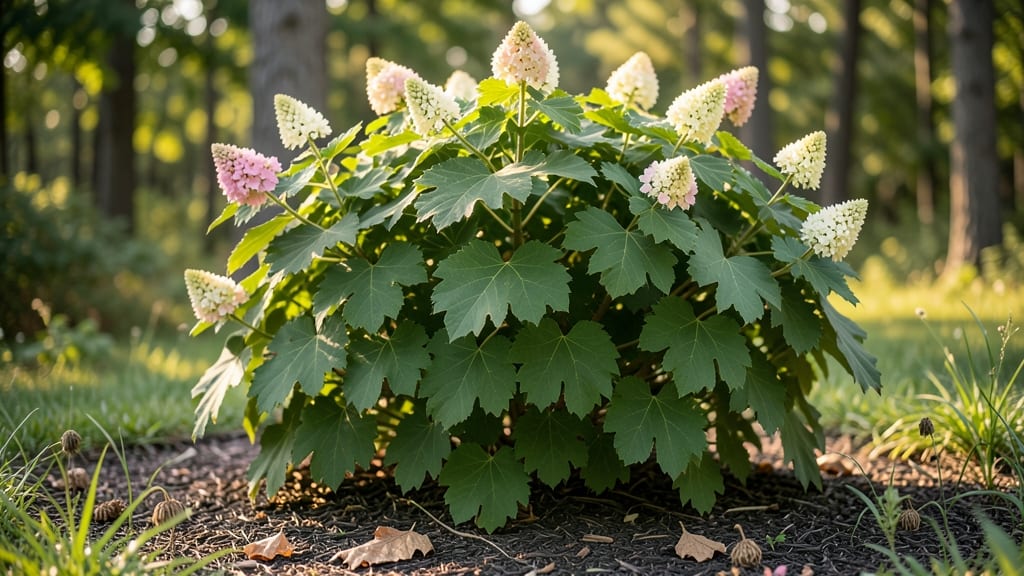
The size of an oak leaf hydrangea 🌿 can transform your garden from a cluttered mess to a structured masterpiece—if you pick the right variety for your space.
Picture this: a towering 8-foot shrub casting shade over your patio or a dainty 3-foot dwarf hugging a container on your balcony.
The difference isn’t just aesthetics—it’s about how much room you have, how much maintenance you’re willing to tackle, and whether you want a focal point or a subtle backdrop.
Oak leaf hydrangeas grow at different rates, with some varieties stretching skyward like small trees while others stay compact enough for small gardens. Understanding these differences is the key to choosing a plant that thrives without crowding your space or requiring constant pruning.
In this guide, I’ll break down the mature height and spread of the most popular varieties, share pruning tips to control their size, and help you pick the perfect fit for your landscape—whether you’re working with a sprawling backyard or a cozy balcony.

Oak leaf hydrangea mature size by popular variety: height and spread guide
Choosing the right oak leaf hydrangea for your garden starts with understanding their mature sizes. These shrubs range from compact container plants to tree-like specimens, so selecting the perfect variety depends on your space and design goals.
Whether you have a cozy patio or a sprawling backyard, there’s an oak leaf hydrangea that fits—here’s how to pick the right one.
Oak leaf hydrangeas (Hydrangea quercifolia) are prized for their lobed leaves and season-long interest, but their size varies dramatically between varieties. Some stay under 3 feet tall, while others reach 10 feet or more.
Knowing these dimensions helps you plan spacing, pruning, and even container choices to keep your garden looking intentional and well-maintained.
Summary-Table of popular oak leaf hydrangea varieties by mature size:
The 'Snow Queen' and 'Snowflake' varieties are the tallest, often reaching 8 feet or more, making them ideal for backyard focal points or privacy screens.
If you’re working with limited space, 'Pee Wee' or 'Little Lime' are perfect for containers or small gardens, staying under 4 feet tall while still delivering stunning foliage and blooms.
For medium-sized gardens, varieties like 'Annabelle' or 'Alice' strike a balance, typically maturing between 4 and 6 feet tall. These are great for mixed borders or as accent plants near patios.
If you love the look of oak leaf hydrangeas but need something more low-maintenance, slower-growing types like 'Dwarf Oakleaf' won’t outgrow their space quickly.
One key factor to consider is growth rate. Some varieties, like 'Pee Wee', grow slowly, while others, like 'Snowflake', can add 1-2 feet per year.
This affects how quickly you’ll need to prune or control their spread. For example, if you plant a 'Snow Queen' near a walkway, you’ll
How to control oak leaf hydrangea size: pruning tips for compact growth
Oak leaf hydrangeas are stunning shrubs, but their natural size can quickly overwhelm small gardens. The key to maintaining a compact shape lies in strategic pruning. Whether you're working with a dwarf variety like 'Pee Wee' or a standard type, understanding when and how to trim makes all the difference.
I’ve pruned these beauties for years, and I’ll share my foolproof methods to keep them tidy without sacrificing blooms.
Timing is everything with oak leaf hydrangeas. The best time to prune is late winter or early spring, just as new growth begins. This encourages vibrant blooms on current-season wood, which is where these hydrangeas produce their stunning flowers.
Summer pruning is also an option, but it requires a lighter touch to avoid stunting growth. Let’s break down the exact steps to control their size effectively.
For dwarf varieties, like 'Little Lime' or 'Pee Wee,' you can be a bit more aggressive with pruning since they naturally stay smaller. These varieties thrive with a harder prune—cutting back up to half of the oldest stems—without losing their compact form.
Standard varieties, however, need a gentler approach to avoid stunting their growth.
One common mistake I see is pruning too late in the season. If you wait until fall or winter, you risk removing next year’s blooms, as oak leaf hydrangeas produce flowers on current-year wood.
Always aim to finish pruning by early spring to give your plant plenty of time to recover and bloom.
After pruning, give your hydrangea a light feeding with a balanced fertilizer to encourage new growth. Water deeply to help it recover, and watch as it fills out beautifully over the growing season.
With the right pruning techniques, you can enjoy a neat, manageable shrub that still makes a stunning statement in your garden. 🌿