
Aphids
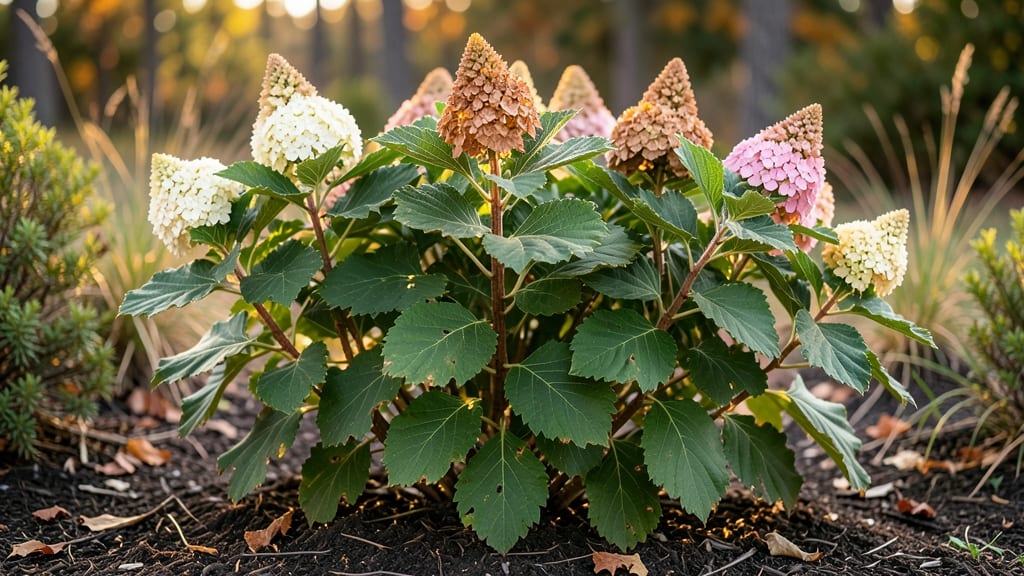
Controlling the oakleaf hydrangea height is easier than you think—these shrubs can grow 8–12 feet tall, but with smart pruning, you’ll keep them at a manageable 5–6 feet in just three years. 🌿 I’ve wrestled with these beauties, and the key isn’t just when you prune, but how you shape them early.
These shrubs grow slow to moderate, so patience pays off, especially if you’re working with limited space or container gardening.
Sunlight and soil make all the difference. Plant in morning sun or dappled shade—too much hot afternoon sun scorches the leaves—and feed with acidic, well-draining soil to encourage compact growth. Varieties like 'Pee Wee' stay under 3 feet, while 'Snow Queen' can hit 6–8 feet without pruning.
The trick is to prune after blooms fade in late summer, cutting back one-third of the oldest stems to keep the plant bushy and controlled.
By year three, your oakleaf hydrangea will reward you with lush, oak-shaped leaves and spectacular fall color—all while staying neatly contained. The secret? Prune early in the season (February or March) to avoid cutting off next year’s blooms.
I’ve seen these shrubs go from unruly to showstopping in just three years with this method.
Works for both landscape beds and large containers—just match the variety to your space. Here’s how to keep them thriving without sacrificing their stunning foliage or flowers.
📚 In This Guide
- What you need
- Instructions
- Tips and common mistakes
- Wrapping up and next steps
What you need
- ● Pruning shears – Bypass pruners (sharp, clean, and sterilized with rubbing alcohol) for clean cuts.
- ● Hand pruners – For smaller branches (ensure they’re ergonomic to avoid hand strain).
- ● Loppers – For thicker branches (up to 1.5-inch diameter).
- ● Garden gloves – Cut-resistant (e.g., mechanized or heavy-duty leather) to protect hands.
- ● Disinfectant – 70% isopropyl alcohol or bleach solution (1 part bleach to 9 parts water) to sterilize tools.
- ○ Pruning sealant – Optional but helpful for large cuts (e.g., tree wound pruning paste).
- ● Measuring tape – 25-foot retractable tape for tracking height and branch length.
- ● Notebook or pruning log – To record cuts, dates, and growth patterns.
- ● Pencil and ruler – For sketching a pruning map of your hydrangea’s structure.
- ● Safety glasses – If dealing with thorny or dense foliage.
- ● Knee pads – For comfortable ground-level pruning.
- ● Extension pole saw – For high-reaching branches (if your hydrangea is already tall).
- ● Mulch (pine bark or shredded leaves) – To protect roots post-pruning.
- ● Slow-release fertilizer – 10-10-10 or balanced NPK to support regrowth (apply after pruning).
Step-by-Step pruning for controlling oakleaf hydrangea height
Here’s how to shape your oakleaf hydrangea into a manageable size—without sacrificing those stunning fall leaves.
✂️ Step 1: Time Your First Pruning After Flowering
Wait until late summer or early fall, after the current season’s blooms have faded but before new buds form. This timing ensures you don’t accidentally remove next year’s flowers, which develop on old wood. Oakleaf hydrangeas are late bloomers, so pruning too early risks cutting off potential blooms entirely.
Use sharp, clean pruners to make cuts just above a bud or leaf node—never leave stubs. The goal is to open up the center of the plant for better airflow and sunlight penetration. I like to remove 10-20% of the oldest stems first, focusing on the tallest, leggiest branches. These stems often produce fewer blooms and detract from the plant’s overall shape.
🌿 Step 2: Prune for Structure in Early Spring
In early March, before new growth begins, assess the plant’s framework. Remove any dead, damaged, or crossing branches first—they compete for energy and can weaken the plant. For height control, cut back last year’s growth by one-third on the tallest stems. This encourages bushier growth lower on the plant.
Look for lateral buds just below where you’re cutting. These will sprout into new branches, creating a fuller, more compact shape. Avoid heavy pruning in late spring or summer—this can stimulate too much soft growth that may not harden off before winter.
☀️ Step 3: Maintain Shape Through the Growing Season
Throughout the season, pinch back new growth tips on leggy stems to encourage branching. Use your fingers to gently squeeze off the top few inches of soft growth—this stimulates side shoots. For established plants, a light trim in mid-summer can help control height while keeping the plant dense.
Watch for new shoots emerging from the base. These are your plant’s attempt to fill in gaps and stay compact. If you see a shoot growing taller than desired, prune it back early to redirect energy into bushier growth. Mulch around the base with 2-3 inches of organic mulch to protect roots and retain moisture, which supports healthier, more controlled growth.
⏰ Step 4: Annual Winter Pruning for Long-Term Control
In late winter, just before buds swell, do a final shape-up. Remove any suckers (vigorous shoots growing from the base) and thin out crowded branches to improve airflow. For height management, cut back all stems to 12-18 inches tall—this keeps the plant manageable while preserving the oakleaf’s signature foliage.
This aggressive pruning in winter forces the plant to regrow from a lower, more compact base. Over 3 years, this method will transform a towering hydrangea into a 4-5 foot tall shrub with abundant blooms. Just remember: oakleaf hydrangeas reward patience—don’t rush the process, and always prune with the plant’s natural shape in mind.
Tips & tricks for perfect oakleaf hydrangea height control
These are the game-changing insights I wish I knew when I first tried to tame my oakleaf hydrangea's wild growth—trust me, they make all the difference.
Timing is Everything: The late summer/early fall pruning window in Step 1 is non-negotiable for oakleaf hydrangeas. I learned this the hard way after accidentally pruning too early and losing next year's blooms completely. Look for faded flowers but no new buds forming—this is your precise cue. The plant's natural growth cycle means waiting until after blooming ensures you're only cutting last year's wood, which bears the most flowers.
Precision Cuts Matter: When removing those 10-20% oldest stems in Step 1, make your cuts just above a bud or leaf node—never leave stubs. I use my finger to locate the bud by feeling for the slight bump where new growth emerges. This targeted approach prevents unsightly stubs while encouraging new growth exactly where you want it. For the tallest stems, aim to cut back to a lateral bud lower on the stem to redirect energy toward bushier growth.
Seasonal Maintenance Strategy: The mid-summer pinch-back technique in Step 3 is where I see the most dramatic transformation. Use your fingers to gently pinch off the top few inches of new growth—this might feel counterintuitive, but it stimulates branching lower on the stem. For established plants, I do this every 4-6 weeks throughout summer, always focusing on the leggiest stems first. This consistent maintenance prevents the plant from getting top-heavy and encourages that compact, bushy shape we're after.
Winter Reset Secret: The aggressive winter pruning in Step 4 might seem drastic, but it's what transforms your hydrangea over those 3 years. When cutting back all stems to 12-18 inches, you're essentially giving your plant a fresh start. I like to visualize the final shape I want and make cuts that will create that framework. Remember, oakleaf hydrangeas are forgiving—they'll fill in beautifully from the base if you give them this annual reset.
Pro Tips for Oakleaf Hydrangea Height
- These are the game-changing insights I wish I knew when I first tried to tame my oakleaf hydrangea's wild growth—trust me, they make all the difference.
- Timing is Everything: The late summer/early fall pruning window in Step 1 is non-negotiable for oakleaf hydrangeas.
- Precision Cuts Matter: When removing those 10-20% oldest stems in Step 1, make your cuts just above a bud or leaf node—never leave stubs.
Frequently asked questions
about oakleaf hydrangea height—because even the pros need a little guidance! Whether you're troubleshooting growth or planning your garden layout, these answers will help you keep your hydrangeas thriving.How tall does an oakleaf hydrangea typically grow?
A mature oakleaf hydrangea (Hydrangea quercifolia) usually reaches 6 to 12 feet tall and 6 to 10 feet wide, depending on variety and growing conditions. Dwarf cultivars like 'Pee Wee' stay compact at 3 to 5 feet, while standard types can tower if unpruned. Pruning in late winter or early spring helps control height and encourage bushier growth.
When is the best time to prune oakleaf hydrangeas for height control?
Prune oakleaf hydrangeas in late winter or early spring (February–March), before new growth begins. Avoid pruning in fall or winter, as this can expose tender stems to frost damage. For height control, cut back 1/3 of the oldest stems to the ground and shape the remaining branches. Never prune in summer—this removes next year’s blooms!
Can I keep my oakleaf hydrangea under 6 feet tall?
To maintain a compact oakleaf hydrangea (under 6 feet), prune aggressively in late winter by cutting back 1/2 to 2/3 of the oldest stems to the ground. Focus on removing tall, leggy branches and thinning out crowded growth. Mulch well and water deeply to support recovery. Dwarf varieties like 'Snow Queen' or 'Pee Wee' are also great low-maintenance options.
Why is my oakleaf hydrangea not growing as expected?
Slow growth in oakleaf hydrangeas often stems from poor soil, lack of sunlight, or pests. Ensure it gets partial shade (morning sun, afternoon shade) and well-draining, acidic soil (pH 4.5–5.5). Check for aphids, spider mites, or scale insects—treat with insecticidal soap if needed. Overwatering or underwatering can also stunt growth. Adjust care and monitor for improvement in 4–6 weeks.
Do oakleaf hydrangeas bloom on old or new wood?
Oakleaf hydrangeas bloom on both old and new wood, but most flowers appear on current season’s growth. This means you can prune in late winter without sacrificing blooms. However, heavy pruning of old wood (more than 1/3 of the plant) may reduce the number of large summer blooms. Light pruning to shape is safe and encourages a fuller, more compact plant.
How cold-hardy are oakleaf hydrangeas, and does winter affect their height?
Oakleaf hydrangeas are highly cold-hardy (USDA Zones 5–9), surviving winters down to -20°F (-29°C). While winter itself won’t drastically alter height, severe cold snaps or frost-heaving can damage roots or stems, leading to stunted growth. Mulch heavily (3–4 inches) with shredded bark or leaves to insulate roots. Prune damaged stems in late winter to encourage new, vigorous growth.
Wrapping up and next steps
Transforming your oakleaf hydrangea into a compact, lush beauty in just three years is totally within reach! With the right pruning techniques, patience, and a little TLC, you’ll enjoy a well-manicured shrub that thrives without overpowering your space. 🌿
Ready to take the next step? Start by scheduling your first pruning session this fall—it’s the perfect time to shape your hydrangea for the coming season. Grab your gloves, sharpen those shears, and get ready to watch your garden flourish!