
Light Requirements
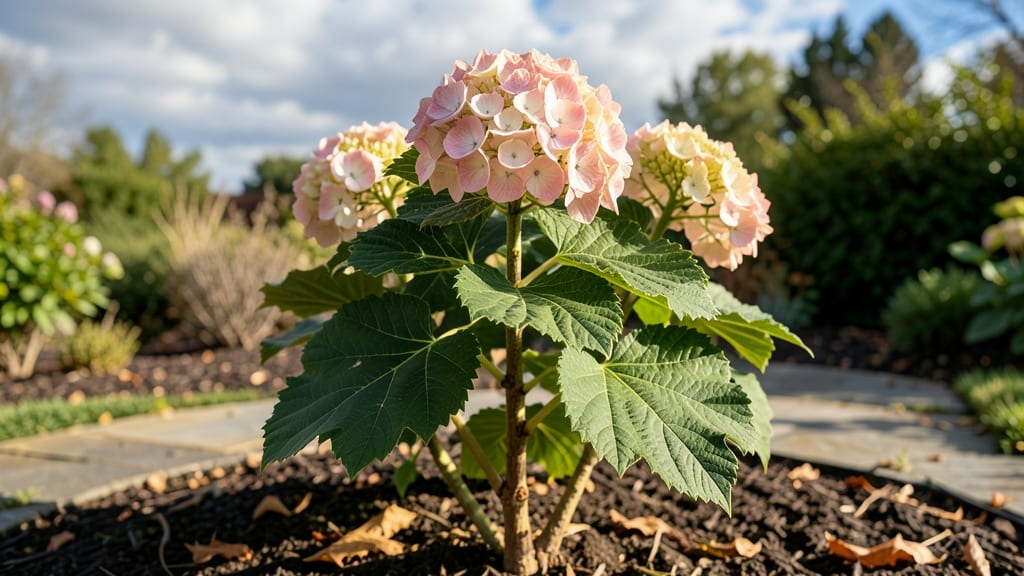
The oakleaf hydrangea light requirements are all about balancing morning sun and afternoon shade to keep those stunning leaves glowing all season long 🌸.
Struggling to keep your oakleaf hydrangea looking its best? The secret lies in mastering its light needs—too much sun scorches the leaves, while too little dims the stunning fall colors. Here’s how to strike the perfect balance for lush foliage year-round.
This isn’t just about avoiding leaf burn—it’s about unlocking the vibrant reds and purples that make oakleaf hydrangeas a garden standout. Too much direct sun can turn those gorgeous leaves yellow or crispy, while too little shade means softer, less dramatic foliage.
Below, I’ll break down the ideal light setup, how to adjust for your climate, and what to watch for if your plant starts sending you warning signs.
By the end, you’ll know exactly where to place yours for maximum impact—whether it’s in a container on your patio or tucked into a shady garden corner.


Ideal light conditions for oakleaf hydrangea growth and color
Oakleaf hydrangeas (Hydrangea quercifolia) are prized for their stunning fall foliage and delicate blooms, but they’re picky about light exposure. Unlike their bigleaf cousins, oakleaf hydrangeas thrive in morning sun with afternoon shade, a balance that prevents leaf scorch while maximizing vibrant colors.
Getting this right ensures rich burgundy leaves in autumn and abundant cone-shaped flowers in summer.
The key is understanding how sun intensity changes throughout the day. Oakleaf hydrangeas need 4-6 hours of morning sunlight (6 AM–12 PM) to fuel photosynthesis, but afternoon shade (after 2 PM) protects their tender leaves from heat stress.
This pattern mimics their native woodland understory habitat, where they grow beneath taller trees.
Why this matters: Too much direct afternoon sun causes leaf burn (brown, crispy edges), while too little light weakens stems and reduces flower production. The goal is to position your plant where it gets bright, indirect light for most of the day, with only a few hours of gentle morning rays.
| Light Condition | Ideal Hours | Effect on Foliage | Effect on Blooms |
|---|---|---|---|
| Morning Sun (6 AM–12 PM) | 4–6 hours | Deepens green summer leaves, enhances fall burgundy | Promotes abundant, healthy blooms |
| Afternoon Shade (2 PM–6 PM) | Minimum 2–4 hours | Prevents leaf scorch, maintains soft texture | Protects buds from drying out |
| Full Shade (All Day) | N/A (Avoid) | Weak stems, pale leaves, poor fall color | Fewer, smaller flowers |
| Full Sun (All Day) | N/A (Avoid) | Leaf burn, crispy edges, faded colors | Bud drop, stunted growth |
In containers, oakleaf hydrangeas adapt well to east-facing patios or under deck overhangs where they receive morning sun and afternoon shade. If your space only offers west-facing exposure, use a light sheer curtain to filter harsh afternoon rays.
For ground planting, pair your hydrangea with taller trees or shrubs (like ornamental cherries or Japanese maples) to create natural shade.
Seasonal adjustments are crucial. In summer, when sunlight is most intense, increase afternoon shade with lattice screens or umbrella shade cloth. Conversely, in winter, when days are shorter, move containers to south-facing spots to maximize light for early spring growth.
Young plants (under 2 years) need extra protection from harsh light, so prioritize dappled shade during their first growing season.
The leaf color of oakleaf hydrangeas is directly tied to light exposure. Plants in morning sun + afternoon shade develop the most vibrant fall foliage, shifting from deep green to crimson or purple hues.
If your leaves stay green all year, it’s a sign of too much shade. For optimal blooms, ensure your plant gets enough morning light—buds form on old wood, so last year’s sunlight exposure sets the stage for this year’s flowers.
Pro tip: Observe your hydrangea’s leaf texture. Healthy leaves should feel soft and slightly leathery, not crispy (sunburn) or limp (overwatering in shade). If you notice yellowing between veins, it’s often a sign of too much shade, while brown edges mean excessive sun.
Adjust gradually—moving a plant from full shade to full sun can cause shock, so acclimate it over 2–3 weeks.
For container growers, choose pots with light-colored interiors to reflect excess heat, and use self-watering containers to maintain moisture in drier conditions. Oakleaf hydrangeas in pots dry out 30% faster than in-ground plants, so monitor soil moisture closely, especially in bright, indirect light.
Remember: oakleaf hydrangeas are not low-light plants—they just can’t handle harsh afternoon sun. Think of them as sunbathing in the morning spa and relaxing in the shade by afternoon.
With the right light balance, your plant will reward you with show-stopping foliage and romantic summer blooms for years to come. 🌿
Signs your oakleaf hydrangea isn’t getting the right light
If your oakleaf hydrangea leaves are looking less than vibrant, the culprit might be light exposure. These stunning shrubs thrive in morning sun with afternoon shade, but too much or too little light can quickly turn your lush foliage into a sad, struggling mess.
Watch for these common warning signs that your plant’s light needs aren’t being met.
One of the first clues is leaf scorch—crispy, brown edges on leaves exposed to harsh afternoon sun. This happens when direct rays bake the foliage, especially during hot summer months.
On the flip side, if your hydrangea’s leaves appear pale or yellowish, it’s likely starving for light, causing weak growth and dull fall colors.
Too much sun = leaf scorch, crispy edges, and stunted blooms. Too little sun = pale leaves, weak stems, and fewer flowers. The ideal spot offers 4-6 hours of morning light and afternoon shade.
Action: Move your plant to a location with dappled shade or use a lightweight shade cloth (30-50% coverage) in peak afternoon hours.
Another red flag is poor flowering. Oakleaf hydrangeas produce their best blooms when they receive just the right amount of light. If your plant is bursting with leaves but barely flowering, it might be getting too much shade.
These shrubs need enough light to fuel their energy for both foliage and flowers.
Check the underside of leaves for another clue—if they’re deep green and healthy while the tops look pale, your plant is likely light-deprived. Conversely, if the undersides appear dry or discolored, it’s a sign of sunburn from excessive exposure.
Adjusting the plant’s position can often reverse these issues quickly.
Don’t ignore weak or leggy growth, either. When oakleaf hydrangeas stretch toward light sources, it’s their way of begging for more—especially if they’re planted in deep shade. This elongated growth weakens the plant’s structure and makes it more susceptible to wind damage or pests.
For container-grown oakleaf hydrangeas, keep an eye on how quickly the soil dries out. Too much sun increases evaporation, while too little light slows growth and reduces water uptake. Rotate your container every few weeks to ensure even light exposure and prevent one-sided growth.
If you spot any of these signs, act fast! Moving your hydrangea to a sunnier spot in spring or providing afternoon shade in summer can restore its health.
With the right light balance, your oakleaf hydrangea will reward you with vibrant foliage and stunning fall colors for years to come. 🌿