
Leaf Blower
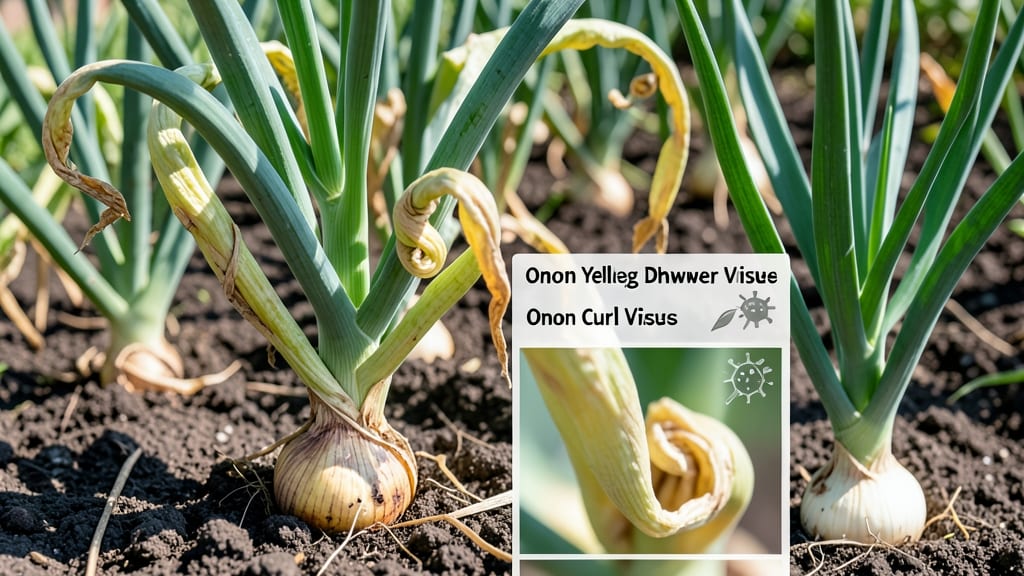
Your onions look like they've been through a tornado—those curled, stunted leaves are onion leaf curl, and it’s worse than it seems. 🌱 This viral disease distorts growth, stunts bulbs, and spreads faster than weeds in a spring rain, but copper spray can turn things around in just 72 hours if you catch it early.
The culprit? Tiny thrips or the Onion Yellow Dwarf Virus, both hitchhiking on wind or contaminated tools. Infected plants start with yellow streaks, then leaves curl like fried eggs, and bulbs stay small and pitted.
The good news? Copper spray disrupts the virus’s lifecycle while giving your onions a fighting chance—no harsh chemicals needed.
Within days, you’ll see new growth unfurling straight and strong, with leaves regaining their crisp, papery texture. The key is acting fast: remove severely infected plants immediately, then spray copper every 5-7 days until the threat passes. Your next harvest could be the best yet.
This works for home gardens, small farms, and even container-grown onions—just adjust the spray volume for your space. The secret? Consistency. One treatment won’t cut it; think of it like a shield against future outbreaks. Let’s get those onions back on track.
Root Causes Behind Leaf Distortion
Onion leaf curl isn’t just a random quirk of nature—it’s a direct response to stress, pathogens, or environmental triggers. Understanding the why behind the wavy, twisted, or curled foliage is the first step to reclaiming healthy, vibrant plants.
Below, we break down the most common culprits, backed by science and actionable insights to help you diagnose and address the issue.
Onion leaf curl is most famously caused by the Onion Yellow Dwarf Virus (OYDV) or the Leek Yellow Stripe Virus (LYSV), both of which belong to the Potyvirus family. These viruses hijack plant cells, disrupting normal growth hormones like auxin and cytokinin, which leads to distorted, curled leaves.
- How it spreads:
- 🐛 Aphids (especially the green peach aphid) act as vectors, transmitting the virus from infected to healthy plants while feeding.
- 🌱 Contaminated soil or tools (pruners, gloves, or even water droplets) can carry viral particles between plants.
- 🌿 Seed-borne transmission—some viruses lurk in infected seed stock, ensuring the problem persists year after year.
- Visual red flags:
- Leaves curl upward or inward, often with a yellowing or mottled pattern.
- Stunted growth or thickened, malformed stems.
- Symptoms worsen in hot, dry conditions.
Actionable fix: Since viruses can’t be cured, focus on prevention—remove infected plants immediately (bag and dispose of them!), control aphids with neem oil or insecticidal soap, and practice crop rotation to break the virus cycle.
Not all leaf curl is viral—sometimes, it’s your plants reacting to their surroundings. Extreme temperatures, humidity swings, or poor soil conditions can trigger physiological stress, causing leaves to curl as a survival mechanism.
- Heat or drought stress:
- 🌞 High temperatures (>90°F/32°C) or low humidity cause stomatal closure, reducing water uptake and leading to curled edges.
- 💧 Underwatering forces plants to conserve moisture, making leaves thick and brittle.
- Cold or frost damage:
- ❄️ Freezing temps (<32°F/0°C) disrupt cell membranes, causing necrotic spots and curling.
- 🌬️ Windburn dries out leaf surfaces, mimicking drought symptoms.
- Poor soil conditions:
- 🪴 Compacted or waterlogged soil restricts root oxygen, leading to anaerobic stress.
- ⚖️ Imbalanced pH (too acidic or alkaline) locks out nutrients like calcium or magnesium, causing curl.
Actionable fix:
- 💡 Mulch heavily to retain moisture and regulate soil temp.
- 🌡️ Use shade cloth in extreme heat or row covers for frost protection.
- 🔄 Test soil pH (ideal for onions: 6.0–7.0) and amend with lime (to raise pH) or sulfur (to lower it).
Some pests don’t just eat your onions—they inject toxins or disrupt sap flow, leading to curled, stunted growth. The most notorious offenders?
| Pest | How It Causes Curl | What It Looks Like |
|---|---|---|
| Thrips (tiny, winged insects) | Pierce cells with rasping mouthparts, injecting saliva that triggers phytohormone imbalances (like excess ethylene). | Leaves curl downward, often with silver streaks or scorch marks. |
| Mites (Spider Mites) | Feed on cell sap, causing desiccation and curling from water loss. | Fine webbing on undersides; leaves bronze or yellow. |
| Onion Maggots (larvae of Delia antiqua) | Larvae chew roots, starving the plant of water/nutrients, leading to generalized stress curl. | Wilting, hollow stems, and yellowing from the base up. |
Actionable fix:
- 🔥 Blast pests off with a strong water spray (especially thrips).
- 🍳 Use kaolin clay or neem oil as a barrier (miticides).
- 👨🍳 Plant trap crops (like radishes) to lure pests away.
- 🪴 Apply diatomaceous earth around the base to deter maggots.
Onions are heavy feeders, and when they’re deprived of key nutrients, their leaves curl as a distress signal. The most critical deficiencies?
- Nitrogen (N) Deficiency:
- 🟢 Pale, yellowing leaves (chlorosis) start at the older, lower leaves and curl inward.
- 💡 Fix: Apply blood meal or fish emulsion (high-nitrogen organic amendments).
- Potassium (K) Deficiency:
- 🟡 Yellowing at leaf edges (like scorched tips) with cupping or curling.
Quick Fixes for Wrinkled Onion Leaves
Onion leaf curl can be frustrating, but with the right approach, you can restore your plants to healthy, vibrant growth in just 72 hours—or even prevent future outbreaks.
Below are targeted solutions based on the most common causes, paired with practical steps to reverse the damage and keep your onions thriving.
If your onions show severe curling, yellowing, or stunted growth, act fast to stop the spread.
- 🔪 Snip and Dispose: Cut off only the most affected leaves (if mild) or remove the entire plant (if severe).
Do not compost—bag and discard to prevent reinfection. - 🧼 Sterilize Tools: Wipe pruners with rubbing alcohol (70%+) or a 10% bleach solution (1 part bleach to 9 parts water) before and after use. - 🚫 Quarantine New Plants: If buying new onion sets or seedlings, inspect them for curls, spots, or sticky residue before planting.
💡 Pro Tip: Check the undersides of leaves—that’s where aphids and viruses often hide!
Copper-based sprays are highly effective against fungal and bacterial leaf curl caused by Xanthomonas or Pseudomonas. Here’s how to apply it correctly for fast results:
1️⃣ Mix the Solution (👨🍳)
- Option 1 (Homemade): Combine 1 tsp baking soda + 1 tbsp vegetable oil + 1 tsp mild liquid soap + 1 gallon water.
Add 1 tsp copper sulfate pentahydrate (or 1 tbsp copper fungicide like Copper Soap). - Option 2 (Store-Bought): Use a pre-mixed copper fungicide (e.g., Copper Jet, Bonide Copper Fungicide)—follow label instructions.
2️⃣ Apply at the Right Time (⏰)
- Best Time: Early morning or late evening (avoid direct sunlight to prevent leaf burn).
- Coverage: Spray both sides of leaves until glistening wet, focusing on new growth and curled areas.
- Frequency: Reapply every 7–10 days for 2–3 weeks, then monthly as prevention.
3️⃣ Boost Plant Recovery (🌱)
After spraying, help your onions bounce back: - 💧 Water at the Base: Avoid wetting leaves to prevent fungal spread.
Use drip irrigation or a watering can with a rose attachment. - 🌿 Fertilize Lightly: Apply a balanced fertilizer (10-10-10) or compost tea to strengthen roots. - ☀️ Provide Shade (If Needed): If leaves are severely damaged, shield plants from direct midday sun for 2–3 days to reduce stress.
Once your onions recover, break the cycle with these preventive measures:
| Cause | Prevention Step | How to Do It |
|---|---|---|
| Viral Spread (Aphids) | Neem Oil Spray | Mix 1 tbsp neem oil + 1 tsp soap in 1 quart water. Spray weekly during growing season. |
| Bacterial/Fungal Infection | Crop Rotation | Plant onions in a different spot each year (avoid same family for 3+ years). |
| Poor Drainage | Raise Beds or Amend Soil | Add perlite or coarse sand to heavy clay soil. Ensure 1 inch of drainage at the bottom of containers. |
| Overcrowding | Thin Seedlings Early | Space onions 4–6 inches apart to improve airflow. |
| Weakened Plants | Strengthen with Silica | Spray silica-rich solution (e.g., 1 tbsp silica powder per gallon water) every 2 weeks. |
If your onions don’t improve in 72 hours or new leaves keep curling, consider:
- 🔬 Soil Test: Check for nutrient deficiencies (especially magnesium or calcium).
- 🐛 Pest Control: Introduce ladybugs or lacewings for aphid management.
- 🌿 Replace Severely Infected Plants: If more than 50% of the plant is damaged, replant with healthy, certified disease-free sets.
🎯 Final Reminder: Early action is key! The sooner you remove infected parts, apply copper spray, and adjust care, the faster your onions will rebound. With these steps, you’ll have straight, strong leaves in no time! 🚀
Frequently asked questions
What’s the first sign that my onions have leaf curl disease?
Look for yellow streaks along the leaves paired with upward curling—often resembling fried eggs. These symptoms appear first on lower leaves before spreading upward. If you spot tiny insects (like aphids) or sticky residue, that confirms the viral or pest connection.
Can I still harvest onions with curled leaves?
Only if less than 25% of the plant is affected and the bulbs appear healthy. Severely curled onions often develop small, pitted bulbs with poor storage life. For best results, remove infected plants and focus on saving healthy ones for harvest.
How often should I apply copper spray for prevention?
Every 5-7 days during active growing season (spring to early summer) is ideal. For prevention, switch to monthly applications once symptoms disappear. Always spray in the early morning or evening to avoid leaf burn from sunlight.
Will neem oil work against onion leaf curl?
Neem oil is excellent for preventing leaf curl by controlling aphids (the main virus vectors), but it won’t cure an existing infection. Use it as part of your preventive routine alongside copper spray for the best defense.
Can I save my onion crop if I see curling now?
Yes, but act immediately! Remove all infected plants, apply copper spray twice within 48 hours, and monitor for new growth. With early intervention, you can still salvage 50-70% of your crop—just focus on the healthiest plants for harvest.