
Pests and Diseases
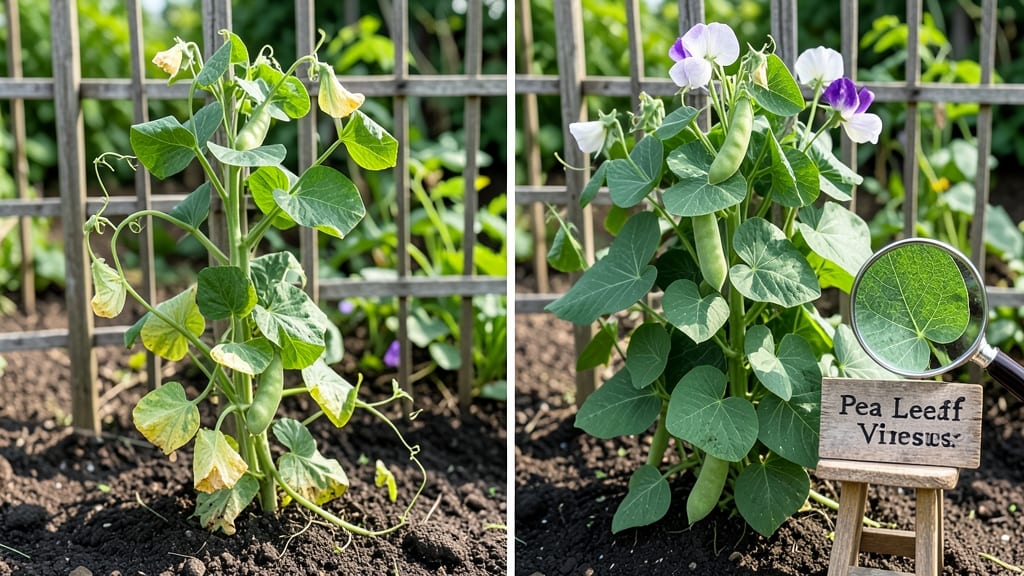
When your pea plants start rolling their leaves like a bad horror movie, you’re likely dealing with pea leaf roll virus—and it’s not just ugly, it’s devastating. 🌱 I’ve seen this virus turn lush, productive vines into stunted, curled messes in just a few weeks, and the worst part?
There’s no cure. But knowing how to spot it early and what to do next can save your whole garden from a total loss.
The virus spreads through aphids and infected seed, so prevention is your best weapon. Look for upward-rolling leaves, stunted growth, and yellowing between veins—those are the classic signs.
Once you confirm it’s leaf roll, the only safe move is to remove infected plants immediately (bag them and toss them, don’t compost!) to stop the spread to other crops.
Your next best bet is switching to resistant varieties like ‘Little Marvel’ or ‘Tom Thumb’ for next season, and practicing strict crop rotation. Aphids love peas, so keep your garden clean of weeds and debris where they can hide, and consider reflective mulch to deter them.
With these steps, you can minimize losses and keep your pea harvest thriving.
Here’s the hard truth: if your peas are already infected, there’s no saving them—but knowing how to act fast can protect the rest of your garden. Let’s break down the full plan to keep this virus from ruining your next growing season.
Root Causes of Plant Decline
The pea leaf roll virus (PLRV) doesn’t just appear out of nowhere—it thrives due to a mix of biological, environmental, and agricultural factors. Understanding these triggers is key to preventing outbreaks and protecting your crops. Below, we break down the primary reasons this stubborn virus takes hold in pea plants.
The primary culprit behind PLRV transmission is the aphid, a tiny sap-sucking insect that feeds on plant juices. Unlike some viruses that require direct plant contact, PLRV spreads efficiently through aphids in two key ways:
- Non-persistent transmission: Aphids acquire the virus in seconds while feeding on an infected plant and can spread it to healthy pea plants within minutes. This rapid transfer makes early detection critical.
- Colony movement: Aphids reproduce quickly, forming large colonies. A single infected aphid can contaminate an entire field if left unchecked, especially in dense pea crops.
💡 Pro Tip: Monitor aphid populations before pea flowering. Use yellow sticky traps or inspect leaves for clusters of aphids—early intervention (like neem oil or insecticidal soap) can curb spread.
PLRV doesn’t infect just any plant—it prefers stressed or young pea plants. Here’s why vulnerable hosts accelerate outbreaks:
- Nutrient deficiencies: Peas lacking nitrogen, phosphorus, or potassium have thinner cell walls, making them easier targets for aphids and viral entry.
- Overcrowding: Dense plantings reduce airflow, creating humid microclimates that aphids adore. Poor spacing also limits sunlight, weakening plants.
- Previous infections: Fields with a history of PLRV or other viruses (like bean yellow mosaic virus) have a higher risk of reinfection due to lingering viral particles in soil or plant debris.
🔥 Action Step: Rotate crops annually with non-host plants (e.g., cereals or brassicas) to break the virus cycle. Avoid planting peas in the same spot for at least 3 years.
While PLRV isn’t soil-borne, temperature and humidity play a huge role in its spread and severity:
| Factor | How It Helps the Virus |
|---|---|
| Moderate temperatures (60–75°F) | Aphid activity peaks in this range, increasing transmission rates. Cooler nights slow aphid reproduction but don’t stop it entirely. |
| High humidity (>70%) | Encourages aphid survival and reproduction. Damp leaves also make it easier for viruses to move between plants via aphid saliva. |
| Rainfall before flowering | Washes viral particles onto leaves, making them more accessible to feeding aphids. Overwatering soil can also attract aphid-friendly weeds. |
✨ Strategic Tip: Use mulch to regulate soil moisture and reduce weed growth. Drip irrigation (instead of overhead watering) keeps foliage dry, deterring aphids.
Even the best-intentioned farming methods can inadvertently spread PLRV. Common practices that worsen outbreaks include:
- Infected seed or planting material: PLRV can persist in pea seeds or transplants, introducing the virus directly into your field. Always source seeds from certified disease-free suppliers.
- Poor sanitation: Reusing contaminated tools, trellises, or storage bins moves viral particles between fields. Disinfect equipment with a 10% bleach solution between uses.
- Late planting: Delayed sowing increases the risk of aphids migrating into your field from nearby infected crops (e.g., alfalfa or clover). Aim to plant peas early in the season.
🎯 Prevention Checklist:
- Inspect seed lots for PLRV before planting (look for rolled leaves or stunted growth in samples).
- Remove volunteer pea plants or weeds (like vetch) that can harbor aphids.
- Use reflective mulches (like aluminum) to disorient aphids and reduce landings.
Fixing and Preventing Plant Roll Diseases
Once you’ve identified the signs of a pea leaf roll virus or similar plant stress, acting quickly can save your crop. Below are targeted solutions based on the most common causes—from infected seedlings to environmental triggers—plus proactive steps to keep your garden healthy.
Cause: Viral spread through contaminated seeds, aphids, or infected plant debris. Fix:
- 🔥 Pull and destroy affected plants (do not compost them) to stop the virus from spreading.
- 👨🍳 Disinfect tools with 70% rubbing alcohol or bleach solution (1 part bleach to 9 parts water) between uses.
- 🌡️ Monitor nearby plants for symptoms like stunted growth or curling leaves—quarantine suspicious ones.
💡 Pro Tip: If aphids are present, spray plants with neem oil (1 tsp per quart of water) to deter them naturally.
Cause: Weakened plants are more susceptible to viral infections. Fix:
- 🥗 Boost soil health with compost or organic matter to improve root strength.
- 💪 Use balanced fertilizer (10-10-10 or similar) to support recovery—avoid over-fertilizing, which stresses plants.
- ✨ Rotate crops annually to prevent soil-borne pathogens from lingering.
🌡️ Prevention Tip: Plant resistant varieties (e.g., 'Green Arrow' peas) if leaf roll is a recurring issue in your area.
Cause: Aphids transmit viruses while feeding on plants. Fix:
- 🔪 Introduce natural predators like ladybugs, lacewings, or parasitic wasps to control aphid populations.
- 🍳 Spray soapy water (1 tsp mild soap per quart of water) directly on aphids for immediate removal.
- 🌿 Use reflective mulch (aluminum foil or silver plastic) to disorient aphids and reduce infestations.
🎯 Long-Term Defense: Install fine mesh row covers over young plants to prevent aphids from landing.
Cause: Stress from heat, drought, or poor drainage weakens plants. Fix:
- 💧 Water consistently—pea plants prefer 1–1.5 inches of water per week (more in extreme heat).
- 🌡️ Provide shade cloth (30–50% coverage) if temperatures exceed 85°F (29°C).
- 🌱 Improve drainage by amending heavy soil with perlite or sand to prevent root rot.
🔥 Emergency Fix: If leaves are severely curled, trim them back to encourage new, healthy growth.
Cause: Unknowingly introducing infected seeds or cuttings. Fix:
- 📊 Purchase certified disease-free seeds from reputable suppliers.
- 🌱 Quarantine new plants for 2–3 weeks before introducing them to your garden.
- 🔍 Inspect seedlings for early signs of stunting or discoloration before transplanting.
✨ Prevention Tip: Keep a separate workspace for potting to avoid cross-contamination.
Final Reminder: While viruses like pea leaf roll have no chemical cure, combining removal, resilience-building, and prevention can minimize damage and protect future harvests. Stay vigilant, and your peas will thrive!
Frequently asked questions about pea leaf roll virus
Can pea leaf roll virus spread to other vegetables in my garden?
This virus primarily targets peas and other legumes like beans, but it won't infect most vegetables directly. However, the aphids that spread it can move between plants, so nearby crops may still suffer from aphid damage or secondary infections. Always remove infected pea plants immediately and monitor surrounding plants for signs of stress.
How can I tell if my peas have pea leaf roll virus or just nutrient deficiency?
Leaf roll virus causes distinctive upward-curling of leaves with yellowing between veins, while nutrient deficiencies typically show as uniform yellowing across entire leaves (chlorosis). Check the undersides of leaves for aphids—if present, that's a strong indicator of viral spread rather than just poor soil health.
Are there any chemical treatments that can cure pea leaf roll virus?
No chemical treatment exists to cure pea leaf roll virus once symptoms appear. The only effective approach is prevention: remove infected plants immediately, control aphids with neem oil or insecticidal soap, and use resistant varieties. Chemical sprays can help manage aphid vectors but won't eliminate the virus from infected plants.
How long does it take for pea leaf roll virus to show symptoms after infection?
Symptoms typically appear within 2-3 weeks after initial infection, though this can vary based on plant health and environmental conditions. Early signs include slight leaf curling and stunting, which progress to severe upward rolling if left untreated. This rapid progression makes early detection and removal crucial.
Can I still harvest peas from plants showing early signs of leaf roll?
It's safest to remove and destroy any plants showing symptoms, even early ones. While the virus primarily affects leaves, infected plants may have reduced yield quality. The bigger risk is spreading the virus to healthy plants through aphids attracted to stressed plants.