
Leaf Blower
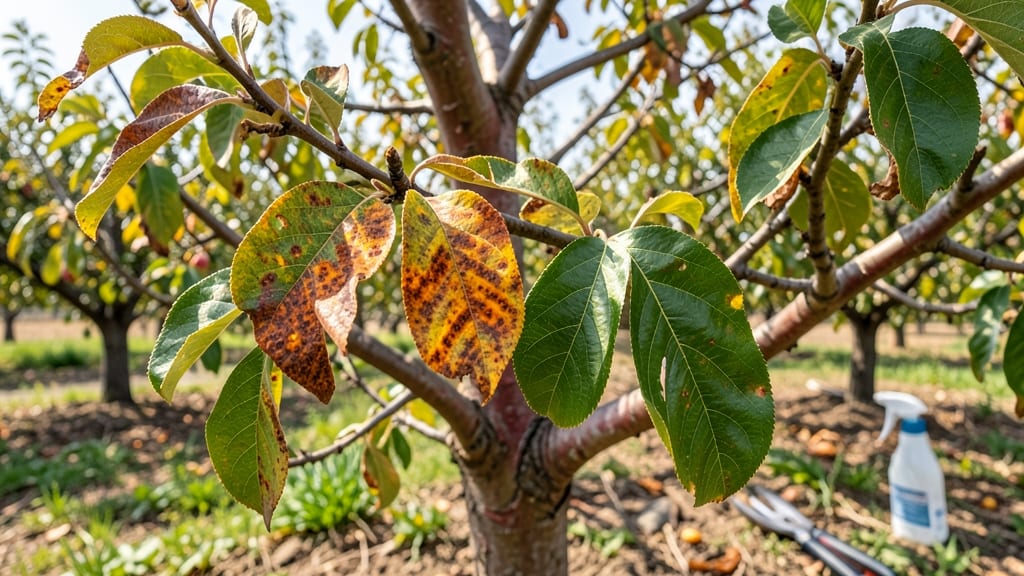
Peach leaf rust turns your tree’s canopy into a patchwork of ugly brown spots, and without fast action, those spots turn into weak fruit. 🌿 I’ve had to prune out entire branches of my peach tree after ignoring the first signs—yellowing leaves, then those telltale rust-colored patches—and I’m here to tell you it’s easier to stop it early than to clean up the mess later.
The fungus that causes peach leaf rust thrives in damp, shady conditions, so the first step is pruning for airflow: thin out crowded branches to let sunlight and air circulate. Cut out any leaves or twigs with those brown spots immediately—they’re just waiting to spread.
I’ve found that removing infected leaves within 48 hours can stop the fungus from jumping to healthy parts of the tree.
Once you’ve pruned, the next move is preventative care: apply a copper fungicide spray (organic and effective) every 2-3 weeks during wet seasons, and make sure your tree gets at least 6-8 hours of sunlight daily.
I’ve seen trees go from struggling to thriving in just one season with this combo—no more weak branches or half-ripe fruit.
This works for home orchards, backyard peach trees, or even container-grown varieties. The key is speed and consistency: act fast when you spot those first spots, and keep the tree healthy year-round. Here’s how to do it right—no more brown spots ruining your harvest.
Why it happens
Peach trees are a gardener’s pride—until those telltale brown spots start creeping across their leaves. Peach leaf rust (caused by the fungus Tranzschelia discolor) thrives in specific conditions, turning vibrant foliage into a patchwork of decay.
Understanding the why behind it is the first step to stopping it in its tracks. Let’s break down the key culprits and how they create the perfect storm for this fungal menace.
🌧️ Overly Wet Leaves: The Fungus’s Favorite Moisture Bar
The fungus Tranzschelia discolor loves water—too much of it. When peach leaves stay damp for prolonged periods (think: heavy dew, frequent rain, or poor airflow), fungal spores germinate and infect the leaf surface. Here’s how it works:
- Spores need water: Like a sponge soaking up moisture, rust spores require free water on leaf surfaces to activate and penetrate plant cells.
- Humidity + warmth = growth: Temperatures between 60–75°F (15–24°C) with high humidity (above 75%) create ideal conditions for the fungus to spread rapidly.
- Poor drainage worsens it: If your tree sits in a low-lying area where water pools, the risk skyrockets. Even overhead irrigation (like sprinklers) can splash spores onto leaves, accelerating infection.
Actionable fix: Water at the base of the tree in the early morning so leaves dry quickly. Avoid late-day watering or misting systems that keep foliage wet overnight.
🍃 Crowded Canopy: Trapped Moisture and Stagnant Air
Peach trees with dense, unpruned branches create a fungus-friendly microclimate. Why? Because:
- Limited airflow: Air circulating through the canopy helps leaves dry faster. Without it, humidity lingers, and spores thrive.
- Shaded, damp leaves: Inner branches often stay darker and wetter, becoming hotspots for rust development.
- Debris buildup: Fallen leaves or mummified fruit near the base harbor spores, ready to reinfect the tree when conditions are right.
Actionable fix: Prune to open the canopy, allowing sunlight and air to move through. Remove any dead or diseased branches immediately—don’t compost them (they can spread spores).
🌱 Weakened Tree Defense: Stress Invites Infection
A healthy peach tree fights off rust better than a stressed one. When trees are nutrient-deficient, drought-stressed, or recovering from injury, their defenses drop—and the fungus takes advantage. Common stress factors include:
- Nitrogen deficiency: Yellowing leaves (chlorosis) signal weak growth, making trees more susceptible to fungal attacks.
- Root damage or poor soil: Compacted soil or root rot limits water/nutrient uptake, leaving the tree vulnerable.
- Recent pruning or injury: Fresh cuts or hail damage create entry points for spores to colonize.
Actionable fix: Test your soil and amend with compost or a balanced fertilizer (high in nitrogen early in the season). Mulch around the base to retain moisture and improve root health. Avoid heavy pruning during peak rust season (spring to early summer).
🌿 Nearby Host Plants: Rust’s Secret Allies
Peach leaf rust doesn’t just target peach trees—it also infects plums, apricots, and cherries. If these trees grow nearby, they can:
- Share spores: Wind or insects carry rust spores between trees, creating a cycle of reinfection.
- Prolong the season: Some host plants (like plums) may show symptoms later in the year, keeping the fungus active longer.
Actionable fix: Monitor nearby stone fruit trees for rust. Remove and destroy (don’t compost) infected leaves. Consider spacing trees at least 20–30 feet apart to reduce cross-contamination.
🔄 Past Infections: The Lingering Threat
Rust spores can overwinter on fallen leaves, mummified fruit, or even in the soil. If you’ve had rust before, the fungus is likely already in your garden, waiting for the right conditions to return. Even a single infected leaf left on the ground can:
- Release spores next spring: As temperatures rise, dormant spores wake up and infect new growth.
- Build resistance: Repeated infections can make your tree more susceptible over time.
Actionable fix: Clean up all debris from under the tree in fall and early spring. Use a tarp to collect leaves, then bag and trash them (don’t shred them—it spreads spores). Consider a 3-year rotation of fungicides (like copper or neem oil) as a preventive measure.
Quick Fixes for Fungal Foliage Foes
If your peach tree’s leaves are turning into a patchwork of brown spots and yellowing patches, it’s time to take action. Peach leaf rust isn’t just unsightly—it weakens trees, reduces fruit quality, and can even kill young or stressed plants if left unchecked.
The good news? With the right approach, you can turn things around fast. Below, we break down the most effective solutions, tailored to the root causes of the problem, so you can tackle it like a pro.
The first line of defense is containment. Fungal spores spread like wildfire when conditions are right, so don’t wait to act.
- 🔥 Grab a pair of pruning shears or gloves and snip off all leaves with brown spots, yellowing, or rust-colored patches. Dispose of them in the trash not your compost bin—fungal spores can survive and reinfect.
- 🌡️ Time it right: Do this on a dry, sunny day when the leaves are less likely to stick to your tools or spread spores in the air.
- 🎯 Don’t just pluck leaves: If the infection is severe, prune small branches with heavy rust buildup (but avoid over-pruning—this stresses the tree).
Pro Tip: 💡 Shake out your tools between cuts with old towels or paper bags to catch spores. Clean them with a 10% bleach solution (1 part bleach to 9 parts water) afterward.
Once you’ve removed the infected foliage, prevent further spread with fungicides. The key is timing and consistency—don’t wait until the problem flares up.
🍄 Organic Options (Safe for Most Trees)
| Method | How to Use | Best For |
|---|---|---|
| Neem oil | Mix 1-2 tbsp neem oil + 1 tsp mild soap per gallon of water. Spray every 7-14 days during wet seasons or after pruning. Apply in the evening to avoid burning leaves. | Mild to moderate infections; prevents spores from germinating. |
| Baking soda spray | Dissolve 1 tbsp baking soda + 1 tbsp vegetable oil + 1 tsp soap in a gallon of water. Spray weekly on dry leaves. Reapply after rain. | Early-stage rust; safe for edible trees. |
| Copper fungicide | Use a ready-to-use copper spray (like Copper Soap) and apply every 2-3 weeks during rainy seasons. Avoid spraying when fruit is ripe (wait 2 weeks before harvest). | Severe or recurring infections; long-lasting protection. |
💊 Chemical Fungicides (For Heavy Infestations)
If organic methods aren’t cutting it, synthetic fungicides like propiconazole or myclobutanil (e.g., Immunox, Fung-onil) can provide stronger protection. Follow label instructions closely—overuse can harm beneficial insects.
Pro Tip: ✨ Rotate fungicides if the infection keeps coming back. Fungi can build resistance, so mix up your treatments (e.g., neem one week, copper the next).
Fungal spores love damp, crowded conditions. Small changes to your tree’s environment can make a huge difference.
- 💦 Water at the base, not overhead. Use drip irrigation or soaker hoses to keep leaves dry. Water early in the morning so foliage has time to dry.
- 🌿 Prune for airflow: Thin out dense branches to improve circulation. Aim for open, airy growth—fungi thrive in shady, humid spots.
- 🌡️ Mulch properly: Use 2-3 inches of organic mulch (straw, wood chips) but keep it away from the trunk to prevent moisture buildup.
Stopping rust in its tracks requires year-round habits. Here’s how to keep your peach tree healthy and resistant:
🍃 Sanitize Tools & Clean Up
- 🔪 Sterilize pruners with rubbing alcohol or bleach between cuts.
- 🧹 Rake up fallen leaves in autumn and burn or trash them (don’t compost).
- 🚫 Avoid wounding trees during fungal outbreaks—stress makes them more susceptible.
🌱 Boost Tree Health
A strong tree fights off infections better. Focus on:
- 💪 Balanced fertilization: Use a low-nitrogen, high-potassium fertilizer (like 5-10-10) in early spring to strengthen leaves.
- 🍓 Prune correctly: Remove suckers, dead wood, and crossing branches in late winter to reduce fungal entry points.
- 🌿 Plant resistant varieties: If rust is chronic in your area, consider rust-resistant peach cultivars like ‘Redhaven’ or ‘Elberta’.
📅 Seasonal Checklist
| Season | Action |
|---|---|
| Spring | Apply preventative fungicide at bud break. Monitor for early rust signs. |
| Summer | Spray every 2-3 weeks after rain. Thin foliage for airflow. |
| Fall | Remove all infected leaves. Apply dormant oil spray to kill overwintering spores. |
| Winter | Prune dead or diseased wood. Store tools in a clean, dry place. |
With these steps, you’ll not only stop brown spots in their tracks but also build a rust-resistant peach tree for years to come. Stay vigilant, and your tree will reward you with lush, healthy foliage and sweet, blemish-free fruit!
Frequently asked questions
What do peach leaf rust spots actually look like on my tree?
Peach leaf rust starts as tiny yellow spots on the upper leaf surface, then develops rust-colored pustules (like fine dust) on the underside. As it spreads, the spots turn brown and may merge, causing leaves to curl or drop prematurely. The key is catching those early yellow patches before they become obvious brown patches.
Can I still harvest fruit from a tree with leaf rust?
Yes, but the fruit quality may suffer. Rust weakens the tree, which can lead to smaller, less flavorful peaches. If you see heavy infection, prioritize removing infected leaves first. For severe cases, consider harvesting earlier than usual to reduce stress on the tree.
How often should I spray fungicide if my tree keeps getting rust?
For prevention, spray every 2-3 weeks during wet seasons (spring through summer). If your tree has a history of rust, apply a preventative spray at bud break in spring, then maintain regular treatments. Rotate between copper fungicide and neem oil to prevent resistance.
Will pruning alone stop peach leaf rust?
Pruning helps by improving airflow, but it’s not enough on its own. You must combine it with fungicide treatments and proper sanitation (removing infected leaves/debris). Think of pruning as the first step—it creates conditions where fungicides work better by reducing humidity in the canopy.
Can I use household items like vinegar to treat rust?
Not effectively. Vinegar is too harsh and won’t target the fungus. Stick to proven organic options like neem oil or baking soda spray. For severe cases, copper fungicides are the most reliable. Always test any homemade remedy on a small leaf area first to check for damage.