
Pests and Diseases
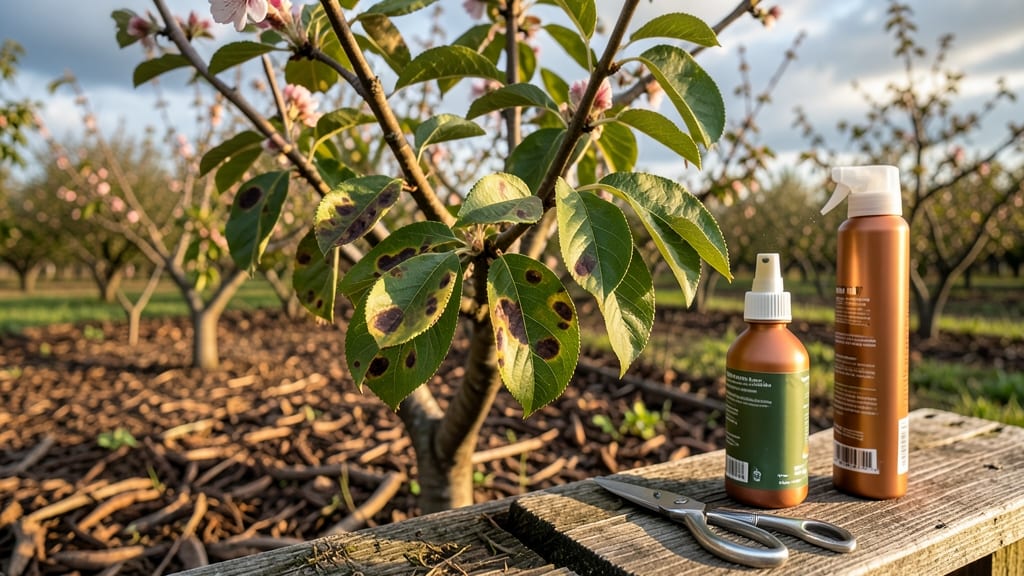
Peach leaf spot turns your tree’s foliage into a patchwork of brown spots with yellow halos, and if you’ve seen it, you know how fast it spreads. 🌿 I’ve battled this fungal foe for years—first with chemical sprays, then with organic solutions that actually work—and the difference is night-and-day.
The key? Acting fast before the spots multiply and weaken your tree’s ability to fruit. This isn’t about expensive treatments or complicated setups. You’ll need basic tools like a pruner, copper fungicide, and a hose for cleaning, plus a few cultural tweaks like proper spacing and watering.
The goal is to starve the fungus by removing its food source (those infected leaves) and creating an environment where it can’t thrive. Within weeks, you’ll see new growth pushing through, spot-free and vibrant.
What you’ll avoid is the heartbreak of watching your peach tree shed leaves early or produce small, poor-quality fruit. Instead, you’ll have a tree that looks healthy enough to make your neighbors ask, “How’d you keep yours so lush?” The secret?
A mix of preventive care and quick action when you spot the first signs. Works for backyard peach trees, patio-grown dwarf varieties, and even young saplings. Let’s get your tree back to its full glory—without the chemical crutches.
Understanding Fungal Triggers
Peach leaf spot is primarily caused by Cercospora and Cladosporium fungi, which thrive under specific conditions and exploit vulnerabilities in peach trees. These pathogens don’t just appear out of nowhere—they’re waiting for the perfect storm of moisture, warmth, and stress to strike.
Let’s break down the key factors that turn your peach tree into a fungal buffet.
The #1 enemy of peach leaves is prolonged leaf wetness. Fungal spores germinate and spread rapidly when leaves stay damp for more than 6–12 hours. Here’s why:
- Spores need water: Like tiny aquatic adventurers, Cercospora spores require a film of water to swim to leaf surfaces and infect stomata (tiny pores). Rain, dew, or overhead irrigation creates the ideal highway.
- Humidity fuels growth: High humidity (above 75%) keeps leaves moist longer, giving fungi a 24–48 hour window to colonize before the leaf dries out. Think of it as a fungal sauna.
- Poor drainage = disaster: Waterlogged soil weakens roots, stressing the tree and making it less resistant to fungal attacks. Compacted or clay-heavy soils trap moisture, creating a breeding ground.
💡 Pro Tip: Avoid watering leaves in the evening. Morning watering gives foliage time to dry before nighttime humidity peaks.
Fungi love warmth (70–85°F), but they hate airflow. When temperatures rise and air circulation stalls, spores spread like wildfire. Here’s the science:
- Optimal spore germination: Cercospora spores germinate fastest between 75–85°F. Cooler temps (below 60°F) slow them down, but they’re still a threat if moisture lingers.
- Stagnant air = fungal superhighway: Dense foliage or crowded trees trap humidity and spores. Without airflow, infected leaves stay wet longer, and spores hitchhike on wind or splashing water to healthy leaves.
- Heat stress weakens trees: Prolonged heatwaves (especially with drought) reduce the tree’s ability to produce cutin (a waxy leaf coating that repels fungi), making leaves more susceptible.
🌬️ Action Step: Prune trees to improve airflow and space them 12–15 feet apart to reduce humidity pockets.
A hungry or stressed peach tree is like an open invitation for fungi. Nitrogen deficiency and potassium imbalance are major red flags:
- Low nitrogen = thin, weak leaves: Nitrogen fuels leaf growth and cuticle development. Without it, leaves become paper-thin, making them easier for spores to penetrate.
- Potassium deficiency = poor disease resistance: Potassium helps regulate stomatal closure (the tiny doors on leaves). When levels drop, stomata stay open longer, letting fungi slip inside.
- Other stressors: Drought, root damage, or herbicide drift weaken trees, making them 3x more vulnerable to fungal attacks.
📊 Soil Test Tip: Test soil pH and nutrient levels annually. Aim for pH 6.0–7.0 and balanced NPK (e.g., 10-10-10 fertilizer) to fortify tree defenses.
Fungal spores overwinter in old leaves, twigs, and fruit mummies. If you don’t clean up:
- Spores survive for years: Cercospora can live in fallen leaves for up to 2 years, ready to reinfect when conditions align.
- Mulch traps moisture: Thick mulch layers (over 3–4 inches) create microclimates that keep spores alive and active.
- Infected nursery stock: Buying trees with pre-existing spots introduces fungi directly into your orchard.
🔥 Cleanup Checklist:
- Rake and remove all fallen leaves and fruit in autumn and spring.
- Disinfect pruning tools with 70% alcohol or bleach solution between cuts.
- Avoid composting infected debris—burn or trash it instead.
By tackling these four root causes—moisture, warmth, stress, and debris—you’ll starve fungi of their favorite conditions and give your peach tree the fighting chance it deserves. 🍑💪
Fixing Fungal Foliage Foes Naturally
Fungal infections like peach leaf spot can turn your prized orchard into a sad, spotted mess—but don’t despair! With the right organic fixes, you can restore your trees to their former glory.
Below, we’ve mapped out targeted solutions based on the root causes (overwatering, poor airflow, fungal spores) and paired them with preventive strategies to keep your peach trees thriving.
Fix: Adjust your watering habits and improve soil health.
- 🔥 Reduce frequency, not volume: Water deeply 2–3 times per week (early morning) instead of daily light sprinkles. Let the top 2–3 inches of soil dry between sessions.
- 🍳 Mulch like a pro: Apply 3–4 inches of organic mulch (straw, wood chips, or pine needles) around the base of the tree. This retains moisture without soggy roots while blocking fungal spores from splashing up.
- 👨🍳 Boost drainage: Amend heavy clay soil with compost or perlite to prevent waterlogging. A slight slope (1–2 inches over 3 feet) away from the trunk helps too.
💡 Prevention tip: Install drip irrigation to deliver water directly to roots, minimizing leaf wetness—a fungal favorite.
Fix: Open up airflow and reduce humidity around your trees.
- 🔪 Prune strategically: Remove crossing branches, suckers, and dense foliage to improve air circulation. Aim for an open canopy (think "sunlight to the ground").
- 🥘 Space matters: If trees are planted too closely (under 15 feet apart), thin them out or relocate younger saplings.
- ⏰ Time your tasks: Prune in late winter or early spring (before buds swell) to avoid stressing the tree during active growth.
🌡️ Prevention tip: Use a fan (yes, really!) on hot, humid days to circulate air around potted peach trees or greenhouses.
Fix: Attack the spores with organic fungicides and cultural barriers.
- 🔥 Copper-based sprays: Apply copper fungicide (like copper sulfate or copper soap) every 7–10 days during wet seasons. Start at first sign of spots and reapply after rain.
- 🍳 Baking soda remedy: Mix 1 tbsp baking soda + 1 tsp horticultural oil + 1 gallon water + a drop of dish soap. Spray weekly on leaves (avoid fruit). The alkaline pH disrupts fungal growth.
- 👨🍳 Neem oil defense: Spray neem oil (2 tsp per gallon of water + surfactant) every 2 weeks as a preventative. It smothers spores and deters future infections.
✨ Pro tip: Rotate treatments—fungi adapt! Alternate between copper, baking soda, and neem oil to stay ahead.
| Task | When to Do It | Why It Works |
|---|---|---|
| Clean up debris | Fall & spring | Removes overwintering spores. |
| Sanitize tools | Before/after pruning | Prevents spreading disease between trees. |
| Test soil pH | Early spring | Aim for 6.0–6.5 (fungi thrive in acidity). |
| Plant resistant varieties | At planting time | Choose ‘Redhaven’ or ‘Elberta’—they’re less susceptible. |
🎯 Final Reminder: Consistency is key! Fungal diseases like peach leaf spot don’t vanish overnight—stick to your treatment schedule and monitor leaves weekly. With these fixes, your trees will bounce back stronger, and next season’s harvest will be spot-free and spectacular. 🍑✨
Frequently asked questions
What do peach leaf spot symptoms look like up close?
Start with small purple or brown spots (about 1/16 inch) with yellow halos on leaf undersides. As they mature, spots grow tan or gray centers with irregular edges. Severe cases show leaf curling, premature defoliation, and even fruit blemishes. Check both leaf surfaces—spores often cluster on undersides.
Can I still harvest fruit from a tree with leaf spot?
Yes, but monitor closely! Mild infections won’t ruin fruit quality, but severe cases may cause surface blemishes or reduced sweetness. Remove heavily spotted leaves to redirect the tree’s energy. If spots appear on fruit (rare), wash peaches thoroughly before eating. The bigger risk is next year’s crop—spores overwinter on debris.
How do I know if my tree has leaf spot vs. another disease?
Compare these clues: Leaf spot shows purple-brown spots with yellow borders, often on lower leaves first. Other diseases like bacterial spot have water-soaked lesions with white/yellow pus, while rust creates orange pustules on undersides. Use a 10x magnifier to spot fungal spores (tiny black dots) on leaf spot infections.
Will pruning alone stop peach leaf spot?
Pruning helps reduce humidity and remove infected leaves, but it’s not a standalone cure. Always pair it with fungicide sprays (copper or neem oil) and proper sanitation. Remove only severely infected branches—don’t over-prune, as this stresses the tree. Focus on opening the canopy to improve airflow, which is 50% of the battle.
Can I use household vinegar as a fungicide?
Not effectively—vinegar’s acidity (even diluted) can burn leaves and won’t penetrate fungal cell walls. For organic options, stick to copper fungicide (safe for leaves), baking soda spray (1 tbsp per gallon), or neem oil. The key is consistency: Apply treatments every 7–10 days during wet seasons to disrupt spore cycles.