
Pests and Diseases
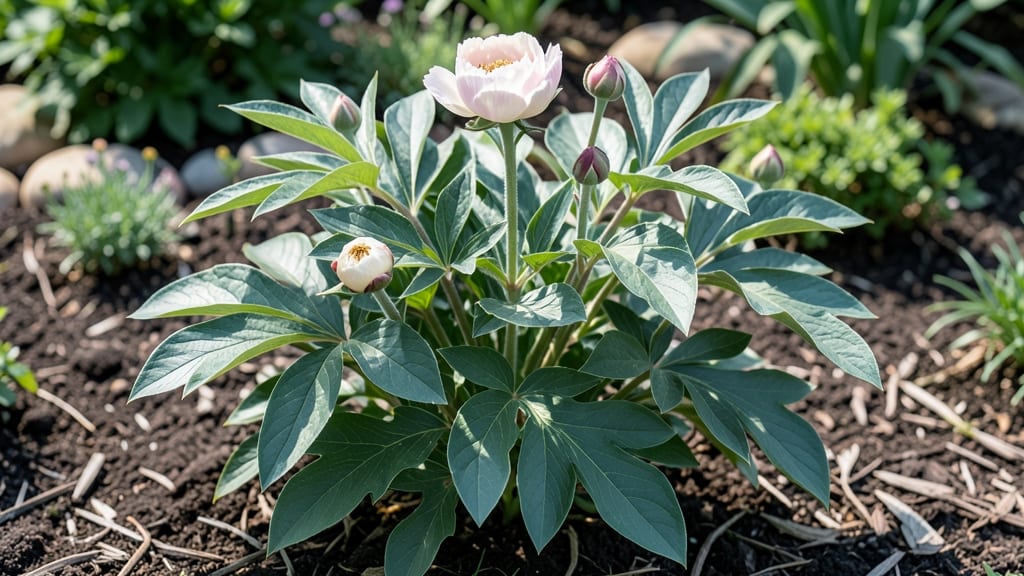
Peony leaf identification starts with knowing what healthy foliage looks like—deep green, glossy, and sturdy enough to support those lush blooms. 🌿 I’ve spent years watching peonies, and the first sign of trouble is always in the leaves: yellowing, spots, or weird textures that make you pause.
Catching problems early means your plants stay strong and bloom like crazy for decades.
Healthy leaves are broad, slightly fuzzy, and grow in pairs along the stem. But when diseases like botrytis blight or powdery mildew strike, you’ll see brown patches, white powder, or leaves that wilt unnaturally.
Spider mites leave tiny yellow speckles, while aphids distort new growth—both give away their presence before the damage gets severe.
With just a magnifying glass and a little patience, you can spot these issues before they spread. A quick check every few weeks keeps your peonies thriving, and the difference between a struggling plant and one that blooms every spring is often just early action.
This guide breaks down the visual clues so you can diagnose problems fast and save your peonies from decline. No guesswork—just clear steps to keep your garden’s stars in top shape.
📚 In This Guide
- What you need
- Instructions
- Tips and common mistakes
- Wrapping up and next steps
What you need
- ● Peony plants: Healthy and diseased foliage samples (if available) for comparison.
- ● Hand lens or magnifying glass: A 10x magnification lens works best for inspecting fine details like pest eggs or fungal spores.
- ● Pruning shears or sharp scissors: Sterilized tools to safely trim and collect leaf samples.
- ○ Gloves (optional but recommended): Disposable nitrile gloves to protect your hands from sap, spores, or irritants.
- ● Notebook and pen: For recording observations, symptoms, and notes on leaf conditions.
- ● Camera or smartphone: With a macro mode or high-resolution camera to capture close-up images of leaf details.
- ● Ruler or measuring tape: To document the size of lesions, spots, or other abnormalities.
- ● Spray bottle with water: For rinsing leaves to reveal hidden pests or residue.
- ● White tray or paper plate: A clean surface to lay out leaves for easier inspection.
- ● Field guide or peony disease chart: A printed or digital reference for quick symptom comparisons.
- ● UV flashlight: To check for fungal infections (some spores glow under UV light!).
- ● Labeling tags: For organizing samples if you’re testing multiple plants.
- ● Petri dishes or ziplock bags: For storing samples if you plan to consult a local extension office or lab.
- ● Garden journal app: To log photos, dates, and conditions over time.
Visual guide to identifying healthy vs. diseased peony leaves
Peonies are stunning, but their leaves tell the real story of plant health—here's how to read them.
🌿 Step 1: Examine Healthy Peony Leaves
Healthy peony leaves have a deep, rich green color with a slightly waxy texture that repels water. Each leaf is divided into 3-5 leaflets, arranged alternately along the stem. The edges should be smooth and slightly curled upward at the tips—this prevents water from pooling and causing rot.
Run your fingers gently over the surface. Healthy leaves feel firm but flexible, never brittle or mushy. The veins should be clearly visible but not raised or discolored. If you see tiny white specks or a slight powdery coating, that's normal—it's just the plant's natural bloom, not disease.
🌿 Step 2: Spot Early Signs of Leaf Disease
Diseased peony leaves often show their first warning signs as tiny brown spots on the edges or tips. These spots may have yellow halos, indicating fungal infection. Powdery mildew appears as white, dusty patches on the upper leaf surface—wipe your finger across it to confirm it leaves a powdery residue.
Check the undersides of leaves first—many fungal spores and pests hide there. Look for irregular brown patches with dark borders or black speckles. These are often signs of botrytis blight or bacterial leaf spot. If you see yellowing between veins while the veins themselves stay green, it's likely a nutrient deficiency rather than disease.
🌿 Step 3: Identify Pest Damage Patterns
Peony leaf miners create winding, brown trails between leaf veins that look like tiny tunnels. These are actually the larvae feeding inside the leaf. Spider mites leave behind fine webbing on the undersides of leaves and cause stippling—tiny white or yellow dots that look like pepper sprinkled on the leaf.
Japanese beetles chew irregular, jagged holes along leaf edges, while aphids cluster along new growth and leave sticky residue called honeydew. Both pests attract ants and can lead to sooty mold if left untreated. Examine the stems and buds too—aphids love to hide in these protected areas.
✂️ Step 4: Compare Seasonal Changes to Disease
Peony leaves naturally yellow and die back in fall, but this happens gradually from the bottom of the plant upward. Diseased leaves show sudden yellowing or browning, often starting at random spots. In spring, healthy new growth emerges bright green and firm, while diseased foliage may appear stunted, curled, or covered in spots from the start.
Pay attention to the timing—if leaves develop problems within weeks of new growth, it's likely environmental stress or disease. If issues appear after several months of healthy growth, consider soil-borne pathogens or root problems. Always check the roots if leaf symptoms persist despite good care.
💧 Step 5: Test for Environmental Stress
Overwatered peony leaves turn yellow and feel limp, while underwatered leaves appear grayish-green and crispy at the edges. Both conditions create stress that makes plants more susceptible to disease. Healthy leaves should feel firm when gently squeezed—if they collapse or feel mushy, you're overwatering.
Check the soil moisture by pushing your finger 1-2 inches deep. If it's damp but not soggy, your watering is correct. Peonies prefer well-draining soil that dries out slightly between waterings. Too much shade causes leaves to grow pale and thin, while too much sun can scorch them—look for crispy brown edges as your first clue.
Tips & tricks for perfect peony leaf assessment
Here's what nobody tells you about reading peony leaves like a pro—these tricks save you from misdiagnosing common issues.
Timing Tip: Early morning is the best time to inspect peony leaves. Dew often reveals hidden problems—diseased spots and pest activity become more visible when leaves are damp. Check undersides first; that's where 90% of fungal spores and spider mites hide. I always carry a small magnifying glass for close-ups of suspicious areas.
The Texture Test: Healthy peony leaves should feel firm but yield slightly when pressed—like a well-inflated balloon. If leaves collapse under pressure or feel mushy, you're dealing with overwatering. For crispy edges, it's usually underwatering or sunburn. Run your fingers along the veins: raised or discolored veins often indicate viral infections.
Seasonal Clues: Spring growth is your first warning system. New leaves that emerge pale or spotted within weeks of growth usually signal disease or pest pressure. In fall, healthy yellowing starts at the bottom and moves upward—diseased leaves show random browning. I keep a small notebook to track when symptoms appear, which helps identify patterns over seasons.
Lighting Matters: Natural daylight reveals leaf details better than indoor lighting. Place leaves against a white background or use a bright flashlight to see subtle discoloration. For powdery mildew, shine a light at an angle—you'll see the white coating sparkle. I've caught early infections this way that would have gone unnoticed in dim light.
Pro Tips for Peony Leaf Identification
- Here's what nobody tells you about reading peony leaves like a pro—these tricks save you from misdiagnosing common issues.
- Timing Tip: Early morning is the best time to inspect peony leaves.
- The Texture Test: Healthy peony leaves should feel firm but yield slightly when pressed—like a well-inflated balloon.
Frequently asked questions
Got questions about peony leaf identification? You’re not alone! Here are some of the most common concerns gardeners have when inspecting their peony foliage—plus quick answers to keep your plants thriving.
How do I tell if my peony leaves are healthy or diseased?
Healthy peony leaves are deep green, glossy, and free of spots or discoloration. Look for uniform veins and no signs of wilting. Diseased leaves often show yellowing, black spots, or powdery mildew (white, fuzzy patches). Compare your leaves to our visual guide for clarity!
When is the best time to check peony leaves for pests or diseases?
Inspect your peony foliage weekly during the growing season (spring to early fall). Early detection is key—especially after rain (fungal risks rise!) or when new growth appears. Morning checks work best when leaves are dry and dew-free.
What do peony leaves look like when they’re infected with botrytis blight?
Botrytis blight causes brown, mushy spots with gray fuzzy edges on leaves and buds. Unlike mildew, it often appears water-soaked and spreads quickly in humid conditions. Remove infected parts immediately to prevent spread!
Can I use peony leaves for anything if they’re diseased?
No—diseased peony leaves should never be composted or used in teas. Pathogens can linger and reinfect your garden. Instead, bag and discard them in yard waste. Healthy leaves can be composted (if pest-free) or used in homemade fertilizers.
What’s the difference between aphids and spider mites on peony leaves?
| Pest | Signs | Action |
|---|---|---|
| Aphids | Tiny green/black bugs clustered on new growth; sticky residue ("honeydew"). | Blast off with water or use neem oil. |
| Spider Mites | Fine webbing on undersides; speckled yellow leaves. | Spray with water to dislodge; introduce predatory mites. |
Wrapping up and next steps
Mastering peony leaf identification is your first step toward keeping your garden thriving! By recognizing healthy foliage and spotting early signs of disease or pests, you can act quickly to protect your plants. 🌿
Now that you’re equipped with the knowledge, take action—inspect your peonies regularly and address any issues before they spread. Happy gardening, and may your blooms stay as vibrant as ever!