
Aphids
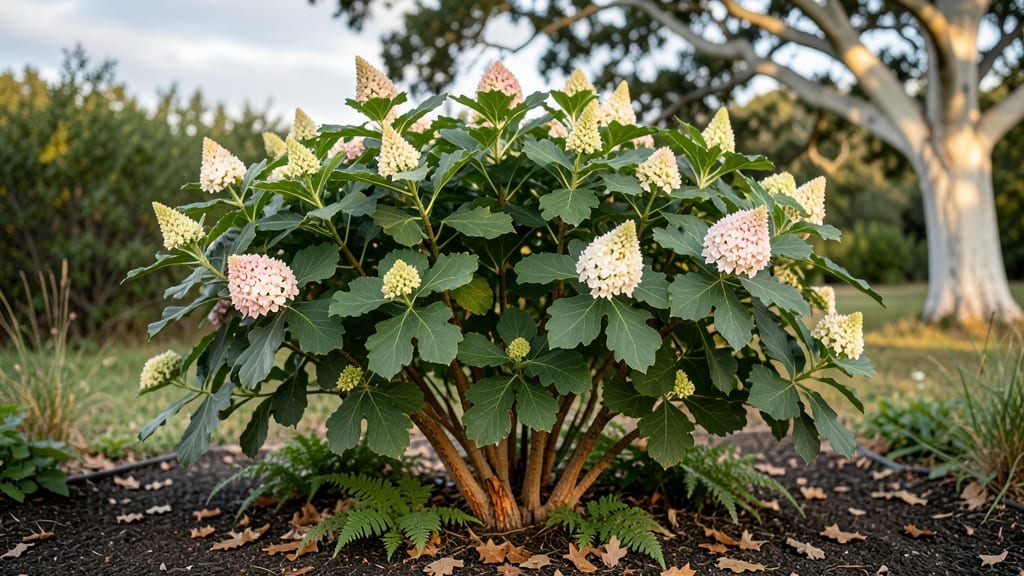
The photos of oakleaf hydrangea I’ve captured over the years always highlight their breathtaking seasonal transformations—pink summer blooms morphing into deep blue and fiery fall foliage. 🌿 I’ve spent years photographing these showstoppers, and their oak-shaped leaves and peeling bark make them architectural stars in any garden.
They thrive as focal points near patios or borders, where their height (4-6 feet) draws the eye. The exfoliating bark adds winter interest, while their shade tolerance lets you tuck them under trees. Pair them with azaleas, ferns, or ornamental grasses for layered texture.
Imagine your garden in summer: soft pink blooms spilling over stone walls, then autumn’s fiery red leaves contrasting with blueberry bushes. The color shifts are like nature’s mood ring—always surprising, always stunning. Perfect for small yards or large landscapes, these hydrangeas bring year-round drama with minimal fuss.
Here’s how to style them like a pro!
📚 In This Guide
- What you need
- Instructions
- Tips and common mistakes
- Wrapping up and next steps
What you need
- ● Camera or Smartphone: A DSLR, mirrorless camera, or high-quality smartphone (e.g., iPhone 13+, Samsung Galaxy S22+) with at least 12 MP resolution.
- ● Tripod: Lightweight but sturdy (e.g., Joby GorillaPod or Manfrotto Pixi) to stabilize shots in windy conditions.
- ● Lens (if using a DSLR): Wide-angle lens (e.g., 16-35mm) for grand shots of bushes.
- ● Macro lens (e.g., 60mm or 100mm) for close-ups of leaves and flowers.
- ● Reflector: 5-in-1 reflector (e.g., Neewer 43-inch) to bounce natural light onto hydrangeas for even lighting.
- ○ Polarizing Filter: Optional but helpful to reduce glare and enhance colors (e.g., Hoya or B+W brands).
- ● Natural Light: Golden hour (1–2 hours after sunrise or before sunset) for soft, flattering light.
- ● Background: Neutral backdrop (e.g., garden fence, blurred greenery, or a plain wall).
- ○ Optional: A vintage wooden bench or rustic fence to add depth and texture.
- ● Weather Considerations: Overcast days for diffused light (reduces harsh shadows).
- ● Light mist or morning dew for a dreamy, ethereal effect (bring a spray bottle if needed!).
- ● Pruning Shears: Light trimming to remove dead leaves or overgrown branches for cleaner compositions.
- ● Petals or Leaves: A few extra blooms or leaves to arrange for dynamic flat lays or macro shots.
- ● Editing Apps: Lightroom Mobile, VSCO, or Snapseed for post-processing (adjust saturation, contrast, and white balance).
- ● Backpack or Camera Bag: Waterproof and spacious to carry gear comfortably.
How to capture oakleaf hydrangea’s stunning seasonal color shifts
This is how I photograph oakleaf hydrangeas to showcase their dramatic pink-to-blue transformations.
☀️ Step 1: Time Your Shots for Peak Color
Oakleaf hydrangeas change color based on soil pH and sunlight exposure, so I photograph them at three key times: early summer for deep pink blooms, mid-summer for transitional purples, and late summer/fall for blue-tinged leaves. The best light for vibrant colors is on overcast mornings or late afternoons when sunlight is soft but still bright enough to reveal texture.
Check your plants daily—you’ll notice the shift when the edges of leaves turn lavender or silvery-blue, especially on the undersides. That’s your signal the transformation is underway. I always shoot at least twice weekly during peak season to capture the full progression.
📸 Step 2: Use Natural Light and Simple Framing
I avoid harsh midday sun—it washes out the delicate color shifts. Instead, I position my camera near a north-facing window or shoot in dappled shade under trees. A 50mm prime lens works best for capturing the intricate leaf patterns without distortion. If you’re outside, shoot during the golden hour (just after sunrise or before sunset) for warm, flattering light.
For dramatic shots, include contrasting elements like moss-covered rocks or weathered bark in the frame. Oakleaf hydrangeas have bold, textured foliage, so I often photograph them from 3-4 feet away to capture the full plant structure. A tripod helps keep shots steady when working with slow shutter speeds in low light.
🌿 Step 3: Highlight the Foliage’s Unique Texture
The real magic of oakleaf hydrangeas lies in their leaves, which resemble oak foliage but with a velvety finish. I focus on close-ups of the leaves first, using a macro setting on my camera to emphasize the ruffled edges and deep veins. A slight tilt of the camera (about 15 degrees) adds dynamic movement to the composition.
For wider shots, I look for backlit scenes where sunlight filters through the leaves, creating translucent highlights. This effect makes the color shifts pop—especially when the leaves turn bluish-purple in acidic soil. I avoid editing out the natural imperfections; a few dried leaves or buds add authenticity to the seasonal progression.
⏰ Step 4: Document the Full Seasonal Arc
Oakleaf hydrangeas aren’t just about flowers—they’re a year-round spectacle. I photograph the new spring growth (bright green and tender), the summer blooms (pink or white), and the fall foliage (deep burgundy or blue). Use a consistent angle for each season so viewers can track the transformation over time.
I keep a simple log of shoot dates and conditions (e.g., "July 12, 80°F, pH 5.5 soil"). This helps me replicate the perfect lighting and timing for future photos. Store images in folders by season—it makes editing and sharing easier later. The goal is to show how one plant can look entirely different depending on the time of year.
Tips & tricks for capturing oakleaf hydrangea's seasonal magic
These insider tips will help you elevate your oakleaf hydrangea photography from good to breathtaking.
Lighting Secrets: When shooting during those perfect overcast mornings or late afternoons (as mentioned in Step 1), I like to add a reflector on the opposite side of my subject. This bounces light onto shaded areas, revealing the full depth of the color shifts—especially those lavender or silvery-blue edges you're watching for. A simple white foam board works perfectly and costs almost nothing.
Camera Angle Game-Changer: For Step 3's macro shots, try shooting from slightly below the leaves at a 15-degree tilt. This creates a more dynamic composition that emphasizes the velvety texture and deep veins. I often use a small tripod to maintain this angle consistently—it makes all the difference in capturing that "wow" factor in the foliage details.
Seasonal Color Tracking: In Step 4, when documenting the full seasonal arc, I recommend taking reference photos of the same leaf at each stage. Place a small color swatch (like a paint chip) next to it in each shot. This creates a visual timeline that clearly shows the progression from pink to blue, making your before-and-after comparisons much more impactful for viewers.
Pro Tips for Photos Of Oakleaf Hydrangea
- These insider tips will help you elevate your oakleaf hydrangea photography from good to breathtaking.
- Lighting Secrets: When shooting during those perfect overcast mornings or late afternoons (as mentioned in Step 1), I like to add a reflector on the opposite side of my subject.
- Camera Angle Game-Changer: For Step 3's macro shots, try shooting from slightly below the leaves at a 15-degree tilt.
Frequently asked questions
Got questions about oakleaf hydrangea? You’re not alone! Whether you're dreaming of planting one or troubleshooting an existing shrub, here are answers to the most common queries—straight from gardeners who’ve been there.
How do I know if my oakleaf hydrangea is pink or blue?
Oakleaf hydrangeas are famous for their color-changing magic! Pink blooms appear in spring/summer, while fall brings deep purples and blues. The color shift depends on soil pH: acidic soil (pH < 5.5) = blue, while neutral/alkaline soil (pH > 7.0) = pink. Test your soil with a kit for precise results.
When is the best time to prune oakleaf hydrangeas?
Prune right after flowering (late summer/early fall) to avoid cutting off next year’s buds. Avoid heavy pruning in spring—this shrub blooms on old wood. For shaping, trim back 1/3 of the oldest stems to encourage new growth and vibrant blooms.
Why are my oakleaf hydrangea leaves turning yellow or brown?
Yellowing leaves often signal overwatering or poor drainage. Brown edges or crispy leaves? It’s likely underwatering or heat stress. Check soil moisture (top 2 inches should be dry) and mulch to retain moisture. Pests like aphids can also cause discoloration—spray with water or use neem oil if needed.
Can oakleaf hydrangeas grow in full sun?
While they tolerate full sun, they thrive best in partial shade (morning sun + afternoon shade), especially in hot climates. Full sun can scorch leaves or reduce blooms. If planting in sunny areas, ensure consistent watering and mulch to protect roots.
What’s a good alternative if I can’t grow oakleaf hydrangeas?
Try these low-maintenance, color-changing shrubs:
- Crape Myrtle – Bold blooms + seasonal leaf shifts.
- Smoke Bush (Cotinus) – Fuzzy foliage + pink/purple hues.
- Japanese Maple – Stunning red/orange fall color.
Wrapping up and next steps
The oakleaf hydrangea is a true showstopper in any garden, with its stunning seasonal color transformations from pink to blue—plus those gorgeous, maple-like leaves! 🌿 Whether you’re a seasoned gardener or just starting, these photos prove how versatile and rewarding this plant can be.
Now that you’re inspired, why not plant one (or more!) in your yard? Start by researching your local climate, picking the perfect spot, and watch your garden bloom with seasonal magic!