
Planting
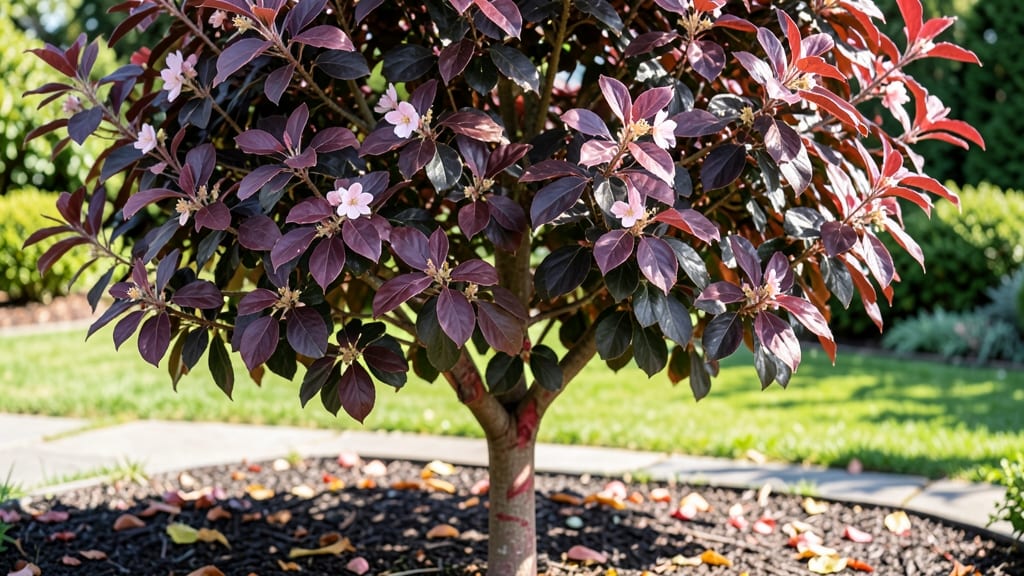
Growing purple leaf plants outdoors transforms any yard into a living masterpiece with zero boring green. 🌿 These plants—like the striking Purple Leaf Plum or bold Coleus—bring drama to borders, containers, and even shady spots where regular plants fade. The secret?
They thrive with basic care and reward you with foliage that pops from spring through frost. Start with well-draining soil and 6+ hours of sunlight (adjust for shade-tolerant varieties). Most purple leaf plants hate soggy roots, so prioritize containers with drainage holes or raised beds if your soil stays wet.
Water when the top inch feels dry—overwatering is the fastest way to dull those vibrant hues. Once established, these plants practically take care of themselves. A light pruning in early spring keeps them bushy, and dividing clump-forming types every 2-3 years prevents decline. The payoff?
Year-round color that outshines annuals and needs far less fuss. Perfect for beginners or busy gardeners—just avoid heavy fertilizer (it washes out the purple). Try them as focal points, spillers in containers, or mass plantings for instant curb appeal. Your neighbors will ask how you did it!
📚 In This Guide
- What you need
- Instructions
- Tips and common mistakes
- Wrapping up and next steps
What you need
- ● Purple Leaf Plant: 1-3 Purple Leaf Plants (e.g., Coleus scutellarioides, Purple Heart (Tradescantia pallida), or Purple Smoke Bush (Cotinus coggygria)). Choose based on your climate and sunlight needs.
- ● Seeds or cuttings (if propagating from scratch). For seeds, ensure they’re fresh (within 1 year).
- ● Potting Mix: 1 bag (5-10 gallons) of well-draining potting soil (look for a mix labeled "organic" or "for container gardens"). Avoid heavy clay soil.
- ● Perlite or vermiculite (1-2 cups) to improve drainage and aeration.
- ● Containers or Garden Bed: Containers: 1-3 pots (5-15 gallons each), with drainage holes. Terracotta or fabric pots work best.
- ● Garden Bed: A sunny spot (6+ hours of light) with loose, fertile soil. Amend with compost (2-3 inches) if planting directly in the ground.
- ● Garden Gloves (1 pair) – Protect your hands from thorns (if applicable) and dirt.
- ● Trowel or Hand Shovel – For digging holes and transplanting.
- ● Watering Can or Hose with Nozzle – A gentle spray setting helps avoid damaging delicate foliage.
- ○ Pruning Shears – For trimming dead or overgrown leaves (optional but helpful for shaping).
- ○ Mulch (Optional) – 2-3 inches of shredded bark or straw to retain moisture and suppress weeds.
- ○ Fertilizer (Optional) – Balanced 10-10-10 fertilizer (1 tbsp per gallon of soil) for container plants.
- ● Slow-release granules (sprinkle 1-2 tbsp per plant at planting time).
- ● Sunlight Check: Confirm your outdoor space gets 4-6+ hours of sunlight daily (adjust plant choice based on shade tolerance).
- ● Climate Suitability: Verify your USDA Hardiness Zone (most purple leaf plants thrive in Zones 9-11; others may need winter protection).
- ● Water Source: Ensure easy access to water for consistent moisture (especially during the first 2 weeks after planting).
Step-by-step guide to planting purple leaf plants outdoors
Here's how to establish your purple leaf plants for bold, low-maintenance color that thrives all season long.
🌱 Step 1: Choose the Perfect Planting Location
Purple leaf plants—like purple leaf plum (Prunus cerasifera) or purple smoke bush (Cotinus coggygria)—thrive in full sun to partial shade, with at least 6 hours of direct sunlight daily. I always scout the site in late afternoon when shadows are longest to gauge true sun exposure. Avoid areas where afternoon sun scalds leaves or where morning shade keeps foliage dull.
Well-draining soil is critical—these plants hate soggy roots. If your soil compacts easily, amend with 2-3 inches of compost mixed into the top 12 inches of soil. Test drainage by digging a 12-inch hole, filling it with water, and checking if it drains within 30 minutes. If not, raise the planting area with a 6-inch mound of amended soil to prevent root rot.
🪴 Step 2: Prepare the Planting Hole and Transplant
Dig a hole twice as wide as the root ball but no deeper—planting too deep suffocates roots and causes stress. Loosen the sides of the hole with a shovel to encourage root spread. Gently remove the plant from its container and tease apart any circling roots with your fingers; I always check for root-bound plants by running my thumb along the root ball.
Place the plant in the hole so the top of the root ball sits level with the surrounding soil—never bury the stem. Backfill with the native soil (not amended mix) and tamp lightly to eliminate air pockets. Water deeply to settle the soil and remove the container. A 1-inch layer of mulch (like shredded bark) around the base keeps moisture in and weeds out, but keep it 2 inches away from the stem to prevent rot.
☀️ Step 3: Water and Fertilize for Establishment
Water deeply once a week for the first 4 weeks to encourage deep root growth, then taper to every 10-14 days once established. You’ll know it’s time to water when the top 2 inches of soil feel dry—stick your finger in to check. Overwatering is the fastest way to kill these plants, so resist the urge to water on a schedule; let the soil guide you.
Apply a balanced, slow-release fertilizer (10-10-10) at planting time, then again in early spring to fuel new growth. I skip summer fertilizing—purple leaf plants grow best when focused on foliage, not flowers. If your plant looks pale or leggy, a half-strength liquid feed in late spring can revive it without burning.
✂️ Step 4: Prune for Shape and Health
Prune in early spring before new growth begins to shape the plant and remove dead or crossing branches. Use clean, sharp pruners to make cuts just above a leaf node or bud—never leave stubs. I always step back after pruning to check balance; uneven cuts create lopsided growth. For dramatic color, prune back one-third of the plant in early spring to encourage dense, vibrant foliage.
Remove any suckers or water sprouts that appear at the base—these drain energy from the main plant. If your purple leaf plant develops yellow leaves, it’s usually a sign of overwatering or poor drainage. Trim affected leaves immediately and adjust your watering routine. The goal is bold purple foliage, not lush green—prune to maintain that striking contrast.
🌿 Step 5: Protect and Maintain Year-Round
In Zone 5 or colder, mulch heavily with 4-6 inches of shredded bark in late fall to insulate roots. Purple leaf plants are generally hardy, but young plants benefit from a light burlap wrap around the trunk in winter to shield against drying winds. In warmer climates, prune lightly in late winter to remove any frost-damaged branches.
Watch for aphids or spider mites, which love the tender new growth. Spray infested areas with neem oil or a soapy water solution (1 tsp mild dish soap per quart of water) for a quick fix. Healthy purple leaf plants rarely need pesticides—focus on proper watering, pruning, and soil care, and they’ll reward you with vibrant color for years.
Tips & tricks for perfect purple leaf plant establishment
These practical insights will help you avoid common pitfalls and maximize the striking foliage potential of your purple leaf plants.
Sunlight Strategy: While the instructions emphasize 6 hours of direct sunlight, I’ve found that morning sun paired with afternoon shade works best in hot climates. Purple leaf plum, for example, can scorch in intense afternoon rays—watch for leaf edges turning crispy. If your location has harsh afternoon sun, consider planting near a structure that provides partial shade during peak hours.
Soil Test Hack: The 30-minute drainage test is your best friend. I’ve seen many gardeners skip this step and end up with root rot within weeks. For clay-heavy soils, mix in 2-3 inches of perlite or sand along with the compost to improve drainage further. A simple way to test soil type is to grab a handful—if it forms a tight ball that doesn’t crumble, you’ve got clay soil that needs amending.
Pruning Precision: When pruning back one-third of the plant in early spring, focus on removing branches that cross or grow inward. These compete for sunlight and nutrients, diluting that vibrant purple color. I always prune just above a leaf node where new growth will emerge—this encourages bushier, more colorful foliage. For dramatic effect, step back after pruning to check for symmetry from all angles.
Winter Protection: In Zone 5 or colder, that 4-6 inch mulch layer is essential, but don’t let it touch the trunk. Wet mulch against bark can cause rot, especially if winter thaws occur. Instead, create a mulch volcano shape—pile higher at the base and taper toward the trunk. For extra insurance, wrap young trunks with burlap and secure it loosely with twine to prevent windburn.
Pro Tips for Purple Leaf Plant Outdoor
- These practical insights will help you avoid common pitfalls and maximize the striking foliage potential of your purple leaf plants.
- Sunlight Strategy: While the instructions emphasize 6 hours of direct sunlight, I’ve found that morning sun paired with afternoon shade works best in hot climates.
- Soil Test Hack: The 30-minute drainage test is your best friend.
Frequently asked questions
Got questions about growing purple leaf plants outdoors?
You’re not alone! Here are some of the most common queries—plus quick, practical answers to keep your foliage thriving year-round.
What’s the best purple leaf plant for beginners?
Start with Purple Leaf Plum (Prunus cerasifera) or Purple Smoke Bush (Cotinus coggygria ‘Royal Purple’). Both are hardy, low-maintenance, and burst with vibrant hues. For compact options, try Purple Leaf Boxwood (Buxus ‘Purple Beauty’)—just ensure they get 6+ hours of sunlight daily.
How long does it take for purple leaf plants to show color?
Most purple leaf plants reveal their signature hues within 1–2 years of planting, but some (like Japanese Maple ‘Bloodgood’) may take 3–5 years for full intensity. Fertilize in spring with high-phosphorus food to speed up color development!
Can purple leaf plants survive winter outdoors?
It depends! Deciduous varieties (e.g., Purple Leaf Plum) tolerate cold down to -20°F (-29°C), while tender perennials (like Coleus) need winter protection (mulch or containers). Evergreens (e.g., Purple Leaf Boxwood) thrive in Zone 5+ with snow cover.
Why are my purple leaves turning green or yellow?
Green leaves? Too much shade or over-fertilizing with nitrogen. Yellowing? Check for underwatering, pests (like spider mites), or nutrient deficiency. Move your plant to morning sun + afternoon shade and test soil pH—purple foliage loves slightly acidic to neutral (6.0–7.0).
Are there purple leaf plants that stay small?
Try these space-savers:
- Dwarf Purple Leaf Plum (3–5 ft tall)
- Purple Leaf Boxwood ‘Purple Beauty’ (2–3 ft)
- Purple Leaf Japanese Maple ‘Emperor I’ (4–6 ft, slow-growing)
Bonus Tip:
For extra-vibrant purple, pair your plants with silver or gold foliage (like Artemisia ‘Silver Mound’)—the contrast makes colors pop!
Wrapping up and next steps
Transforming your outdoor space with purple leaf plants is a rewarding journey that brings year-round color and minimal fuss! 🌿 Whether you’re a seasoned gardener or just starting, these stunning plants thrive with the right care—sunlight, well-drained soil, and occasional pruning.
Their vibrant foliage will make your garden the envy of the neighborhood.
Ready to get growing? Start by choosing your favorite variety—like purple smoke bush or purple leaf plum—and pick a sunny spot in your yard. With these tips, you’ll enjoy lush, purple-hued beauty for seasons to come! 🌸