
Blooming
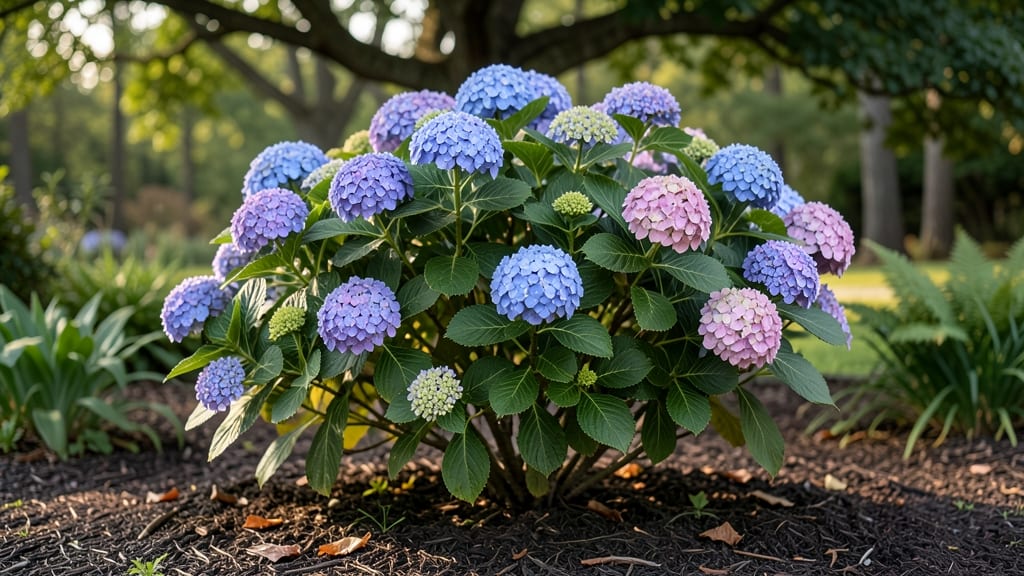
Your bigleaf hydrangeas can bloom twice a year—and it starts with the soil. 🌿 The secret to reblooming bigleaf hydrangeas isn’t just pruning or watering; it’s keeping the soil acidic enough to unlock their second flush of flowers.
I’ve watched mine go from one summer burst to six weeks of nonstop blooms by tweaking just a few things.
Most gardeners focus on pruning, but the real game-changer is soil pH. These hydrangeas thrive when the soil is between 5.0 and 5.5, turning their blooms from pale pink to deep blue or rich purple.
A simple soil test and a handful of aluminum sulfate or sulfur can shift the color and encourage reblooming. Pair that with the right pruning timing, and you’ll have flowers from late spring through fall.
The payoff is worth the effort: clusters of blooms so dense they hide the leaves, and colors that shift with the season. Even my neighbor’s skeptical hydrangeas—once a one-time summer show—now put on a second act.
The key is patience; it takes two seasons of consistent care to see the full transformation. Here’s the best part: this method works for pots or garden beds, whether you’re in a humid Southeast climate or a cooler Northeast zone. Let’s get your hydrangeas blooming like they’ve never bloomed before.
📚 In This Guide
- What you need
- Instructions
- Tips and common mistakes
- Wrapping up and next steps
What you need
- ● Bigleaf hydrangeas (Hydrangea macrophylla) – Ensure they’re healthy and mature (at least 2–3 years old) for reblooming.
- ● Acid-loving fertilizer – Look for a balanced formula (e.g., 10-10-10 or 12-12-12) with micronutrients like iron, magnesium, and zinc. 1–2 lbs per 100 sq ft is ideal.
- ● Sulfur or aluminum sulfate – To lower soil pH (aim for 5.0–5.5). 1–2 lbs per 100 sq ft (test soil first!).
- ● Organic mulch – Pine bark, oak leaves, or peat moss (helps retain acidity). 2–3 inches around the base.
- ● Pruning shears – Sharp, clean bypass pruners (avoid dull tools that crush stems!).
- ● Garden gloves – Protect your hands from thorns and soil.
- ● Watering can or hose with a gentle spray nozzle – Hydrangeas need 1–1.5 inches of water per week.
- ● pH test kit – Digital or liquid test strips to monitor soil acidity (critical for reblooming!).
- ● Compost or aged manure – Boosts soil health and organic matter. 1–2 inches mixed into the top 6 inches of soil.
- ● Slow-release acidifier granules (e.g., Holly-tone) – For hassle-free pH maintenance.
- ● Epsom salt (magnesium sulfate) – 1 tbsp per gallon of water as a foliar spray for green leaves.
- ● Mulch rings or edging – Keeps mulch contained and prevents pH dilution from rain.
- ● Drip irrigation system – Ensures consistent moisture (hydrangeas hate drought!).
- ● Soil conditioner (e.g., coconut coir) – Improves drainage in heavy clay soils.
How to encourage bigleaf hydrangeas to rebloom year after year
Here's the method I've used to turn my hydrangeas from one-time bloomers into reliable, vibrant showstoppers every season.
🌱 Step 1: Prune Last Year's Old Wood Correctly
Bigleaf hydrangeas bloom on both old wood (last year's growth) and new wood (current season). To encourage reblooming, you'll need to prune strategically. Start by removing any dead or diseased stems—cut them back to the base. These won't produce blooms and can spread problems to healthy growth.
Next, look for stems that haven't bloomed in the past year. These are your old-wood bloomers, and they need to be left alone. You'll know them by their thicker, woody base. Only prune these if they're truly unproductive or damaged. The key is to keep at least one-third of the plant's stems uncut—these will carry next year's blooms.
💧 Step 2: Adjust Soil pH for Vibrant Colors
Bigleaf hydrangeas are divas when it comes to soil pH. For blue blooms, aim for a pH of 5.2 or lower—think of it as the sweet spot for acid-loving plants. For pink blooms, a slightly higher pH of 6.0-7.0 works best. To test your soil, grab a soil pH meter or send a sample to your local extension office.
If your soil is too alkaline, amend it with sulfur or aluminum sulfate (follow package instructions). For a quicker fix, I mix cotton compost or pine needles into the top 6 inches of soil around the plant. This lowers pH naturally and provides organic matter. Avoid lime or wood ash—they raise pH and will turn your blue blooms pink overnight.
☀️ Step 3: Feed with the Right Fertilizer Timing
Reblooming hydrangeas need balanced nutrition, but timing matters. In early spring, just as new growth begins, apply a slow-release, acid-loving plant fertilizer (look for one with equal parts nitrogen, phosphorus, and potassium, like 10-10-10). This jumpstarts growth without overwhelming the plant.
Skip heavy feeding in late summer. Too much nitrogen now encourages tender new growth that won't harden off before winter. Instead, switch to a low-nitrogen, high-phosphorus fertilizer (like 5-10-5) in mid-summer to support bud formation for next year's blooms. Water deeply after applying to prevent root burn.
✂️ Step 4: Light Prune for Airflow and Shape
After the first flush of blooms fades (usually mid-to-late summer), give your hydrangeas a light pruning to encourage a second round of flowers. Cut back the current year's growth by one-third, focusing on the oldest stems first. This removes spent blooms and stimulates new growth from lower buds.
Shape the plant by thinning out crowded stems—this improves airflow and reduces disease risk. Never cut into old wood (the thick, woody stems) during this pruning. You'll see new shoots emerging from the base within 2-3 weeks. These will produce your second flush of blooms if given enough time before frost.
🪴 Step 5: Protect and Mulch for Winter Prep
Bigleaf hydrangeas are somewhat cold-hardy, but their blooms need protection to survive winter. Once temperatures drop below 32°F, wrap the plant in burlap or frost cloth to shield it from drying winds. Avoid plastic—it traps moisture and can rot stems.
Apply a 3-inch layer of mulch (like shredded bark or leaves) around the base, keeping it 6 inches away from the stem. This insulates roots and prevents temperature swings. In early spring, remove the wrap and mulch back to 1-2 inches to allow the soil to warm up naturally. You'll see new growth emerge within 2-3 weeks of the last frost.
Tips & tricks for perfect bigleaf Hydrangea reblooming
Here's what nobody tells you about turning your hydrangeas into reliable, vibrant bloomers every season.
Pruning Precision: When you're pruning in Step 1, mark the stems you're keeping with a plant tie or ribbon before cutting. This prevents accidental pruning of old wood stems that carry next year's blooms. I learned this the hard way after removing too many stems one spring—now I always double-check before cutting. The goal is to keep that one-third of stems uncut, so take your time and count as you go.
Soil Testing Shortcut: Don't wait for lab results if you're impatient! Grab a cheap soil pH meter from your garden center and test your soil in Step 2. For a quick fix, mix in cotton compost or pine needles into the top 6 inches of soil around your plant. These organic amendments lower pH naturally over time. I've seen blue blooms develop within just a few weeks after amending, though full color change may take a full season.
Fertilizer Timing: The early spring feeding in Step 3 is your plant's wake-up call. Use a slow-release fertilizer with equal parts nitrogen, phosphorus, and potassium (like 10-10-10) to avoid overwhelming the plant. Pro tip: Water deeply after applying to prevent fertilizer burn. I always set a reminder for mid-summer to switch to that low-nitrogen, high-phosphorus fertilizer—this is what sets up next year's blooms while preventing tender growth that won't survive winter.
Winter Protection: When wrapping your plant at 32°F in Step 5, leave the top open slightly to allow some airflow. This prevents moisture buildup that can lead to rot. I use burlap because it breathes better than plastic and provides just enough protection. In early spring, remove the wrap completely and reduce mulch to 1-2 inches—this helps the soil warm up faster and encourages early growth. The 2-3 week window after last frost is critical for new shoots to emerge.
Pro Tips for Reblooming Bigleaf Hydrangeas
- Here's what nobody tells you about turning your hydrangeas into reliable, vibrant bloomers every season.
- Pruning Precision: When you're pruning in Step 1, mark the stems you're keeping with a plant tie or ribbon before cutting.
- Soil Testing Shortcut: Don't wait for lab results if you're impatient!
Frequently asked questions
Got questions about reviving your bigleaf hydrangeas for a second (or third!) round of blooms?
You’re not alone! Here are the most common queries—and expert answers—to help you master the art of reblooming with confidence.
Can I force reblooming on any bigleaf hydrangea variety?
Not all bigleaf hydrangeas (Hydrangea macrophylla) rebloom naturally. Endless Summer® hybrids and You & Me® series are bred for reblooming, while traditional varieties like Nikko Blue typically bloom only once per year on old wood. Check your plant’s label or research its lineage for the best results!
When is the ideal time to prune for reblooming?
Prune right after flowering (late summer to early fall) to encourage next year’s blooms. Avoid heavy cuts in spring—focus on removing dead or crossing branches and shaping lightly. Pro tip: If you prune too late (fall/winter), you risk cutting off next year’s flower buds!
What if my hydrangea only blooms once and refuses to rebloom?
Try these fixes:
- Test soil pH (aim for 5.0–6.0 for blue blooms, 6.0+ for pink). Amend with sulfur or lime as needed.
- Fertilize with acid-loving plant food (like Miracle-Gro Azalea, Camellia & Rhododendron) in early spring and mid-summer.
- Ensure 6+ hours of sunlight—partial shade is ideal, but too little light stunts blooms.
How much water do reblooming hydrangeas need?
Keep soil consistently moist but not soggy, especially during bloom cycles. 1–1.5 inches of water per week (including rain) is ideal. Mulch with 2–3 inches of organic matter (like pine bark) to retain moisture and regulate soil temperature. Drought stress = fewer blooms!
Will reblooming weaken my hydrangea?
Not if done correctly! Reblooming hybrids are hardy and designed for multiple cycles, but over-pruning or poor care can stress the plant. Balance is key: prune lightly, fertilize properly, and avoid late-season cuts. With the right approach, your hydrangea will thrive and reward you with months of color!
Wrapping up and next steps
Reblooming your bigleaf hydrangeas is all about patience, the right soil pH, and a little TLC! 🌸 By understanding their love for acidic soil (5.0–6.0 pH), providing consistent moisture, and pruning at the right time, you’ll unlock stunning second blooms year after year.
Don’t let a few missed steps discourage you—hydrangeas thrive with care, and your efforts will pay off in bold, vibrant flowers.
Ready to take the next step? Grab your soil test kit, check your garden’s pH, and start adjusting with sulfur or aluminum sulfate if needed. Your hydrangeas—and your neighbors—will thank you! 🌿