
Shrubs
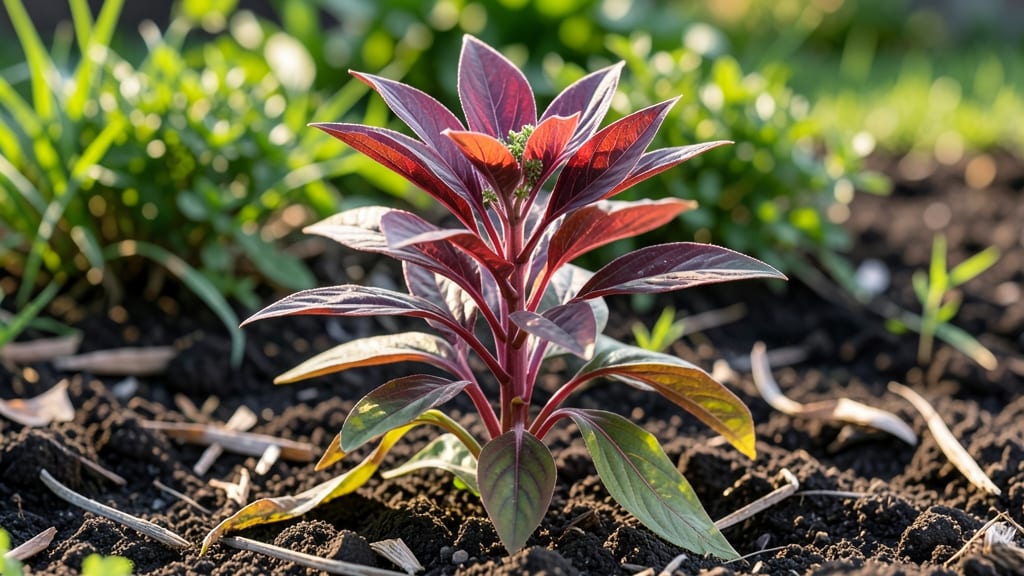
This red amaranth leaf benefits your health with iron, calcium, and vitamins A and C, plus antioxidants and anti-inflammatory compounds that strengthen immunity and vitality.
The vibrant red amaranth leaf benefits aren't just visually striking—they're a nutritional powerhouse. 🔥 These greens deliver more calcium than kale and nearly double the iron of spinach per serving, making them ideal for preventing anemia and supporting bone health.
The deep red pigments contain betalains, which combat oxidative stress, while their high vitamin C content enhances collagen production. I've found they work beautifully in sautéed dishes or blended into nutrient-dense smoothies, adding both color and health benefits to any meal.
Beyond nutrition, amaranth leaves have been used traditionally to regulate blood pressure and act as natural diuretics. Their versatility in the kitchen—whether raw in salads or cooked like Swiss chard—makes them an easy way to boost your daily nutrient intake without sacrificing flavor.
💡 In This Article
- Nutritional Breakdown of Red Amaranth Leaves
- Culinary and Medicinal Uses of Red Amaranth Greens
Nutritional breakdown of red amaranth leaves
Red amaranth leaves pack an impressive nutritional punch, offering a unique combination of macronutrients and micronutrients that outperform many common greens.
A 1-cup (30g) serving delivers 2.5g of protein—more than spinach (0.9g) and comparable to kale (0.7g)—while providing 1.8g of fiber, which supports digestive health and keeps you feeling full. The leaves also contain healthy fats, including omega-3 and omega-6 fatty acids, which help reduce inflammation in the body.
The micronutrient profile is where red amaranth truly shines. It contains 3.5mg of iron per serving—nearly double what you'd get from spinach—making it an excellent choice for preventing iron-deficiency anemia.
The calcium content is particularly remarkable, with 150mg per serving, which is 15% of the daily recommended intake and surpasses kale's calcium levels. Additionally, these leaves are rich in magnesium (80mg) and potassium (300mg), both essential for maintaining healthy blood pressure and muscle function.
What sets red amaranth apart from other greens are its bioactive compounds, particularly betalains and flavonoids. Betalains, which give the leaves their vibrant red color, act as powerful antioxidants that neutralize free radicals and reduce oxidative stress.
Flavonoids, such as quercetin and kaempferol, contribute to the leaves' anti-inflammatory properties, which may help lower the risk of chronic diseases like heart disease and diabetes. These compounds work synergistically to enhance the leaves' overall health benefits.
The vitamin content is equally impressive. A single serving provides 120% of the daily recommended intake of vitamin A in the form of beta-carotene, which supports vision and immune function. The leaves also contain 40mg of vitamin C, which aids in collagen production and wound healing.
This combination of vitamins and minerals makes red amaranth a superfood that can significantly boost your daily nutrient intake with minimal effort.
To put this into perspective, let's compare red amaranth to other popular greens.
While spinach is often praised for its iron content, red amaranth provides almost twice as much iron per serving while also offering higher levels of calcium and vitamin A. Kale, another nutritional powerhouse, falls short in iron content and lacks the betalains that give red amaranth its unique health benefits.
This makes red amaranth a standout choice for anyone looking to maximize their nutrient intake.
Incorporating red amaranth leaves into your diet can be as simple as adding them to salads, blending them into smoothies, or sautéing them like you would Swiss chard. 💫 The versatility of these leaves makes it easy to enjoy their nutritional benefits on a regular basis, whether you're looking to boost your energy levels, support your immune system, or simply add more color and flavor to your meals.