
Shrubs
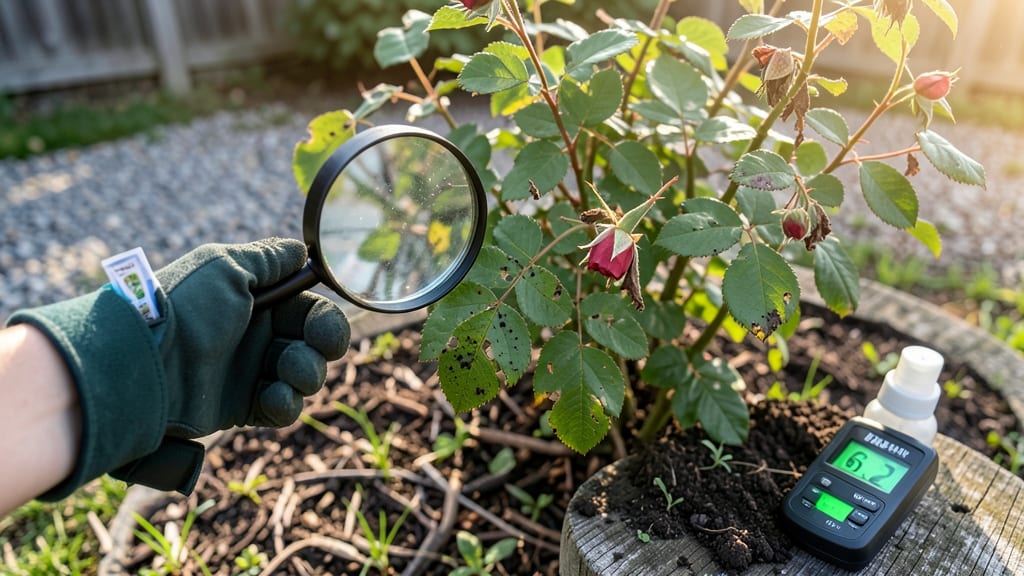
Seeing your roses develop that telltale black spot leaf damage can feel like a death sentence for your garden. 🌿 The moment I spotted the first brown, crinkled leaves on my hybrid tea roses, I knew black spot fungus had arrived—and without quick action, it would spread like wildfire.
Copper spray isn't just another garden product; it's the secret weapon that stops this fungal infection in its tracks while being completely organic and safe for pollinators.
Black spot thrives in warm, humid conditions, and once it takes hold, it doesn't just disfigure leaves—it weakens the entire plant. The good news? Copper spray works by creating a protective barrier on leaves, preventing spores from germinating.
I've used it for three seasons now, and my roses bounce back with vibrant green foliage within weeks, not months. The key is applying it at the right time—early spring and again after heavy rains—to keep those pesky spores from getting a foothold.
What you'll end up with is roses that look as good as they perform—thick, healthy canes producing abundant blooms instead of struggling against disease.
The spray also doubles as a preventive measure against other fungal issues, so it's not just a quick fix but a long-term investment in your roses' health. Plus, you'll save money by avoiding chemical fungicides that can harm beneficial insects and the soil ecosystem.
Works for all rose varieties, from climbers to shrub roses, and fits seamlessly into your regular pruning and maintenance routine. Here's how to make it part of your rose care plan without the hassle or guesswork.
Hidden Culprits Behind Leaf Harm
Rose leaves don’t just wilt or yellow out of the blue—there’s usually a sneaky culprit at play. Understanding the root causes of leaf damage helps you fight back with precision.
Below, we break down the most common triggers, from microscopic invaders to environmental stressors, so you can diagnose and treat your roses like a pro. 🌿🔍
Fungi like Diplocarpon rosae (black spot) and Marssonina rosae (angular leaf spot) thrive in damp conditions, latching onto leaves and devouring chlorophyll. Here’s how they strike:
- Black Spot: Dark, circular lesions with yellow halos appear on upper leaf surfaces, while fuzzy gray spots form underneath. The fungus spreads via wind-blown spores, especially in humid, shady areas.
- Powdery Mildew: A chalky white coating smothers leaves, blocking sunlight and stunting growth. It’s most aggressive in poor air circulation (e.g., crowded rose bushes).
- Botrytis Blight: Brown, water-soaked spots with gray mold appear after heavy rain or overhead watering. This fungus targets weakened or injured leaves.
Why it happens: Fungi spores lie dormant in soil, mulch, or old plant debris until conditions turn favorable—warm temps (60–80°F), high humidity, and wet foliage trigger outbreaks. Overhead irrigation or dense foliage traps moisture, creating a fungal paradise. 🌧️😬
Insects don’t just nibble—they transmit diseases and leave behind toxic waste (like aphid honeydew, which fuels sooty mold). Here’s who’s to blame:
- Aphids: Cluster on new growth, sucking sap and excreting sticky residue. Leaves curl, yellow, and develop black sooty mold.
- Japanese Beetles: Skeletons leaves by devouring tissue between veins, leaving a lace-like pattern.
- Spider Mites: Tiny red/yellow pests spin webs and create stippled, bronze-colored leaves by draining chlorophyll.
- Rose Slugs (Sawfly Larvae):strong> Green, translucent caterpillars chew holes in leaves, often at night.
Why it happens: Pests are drawn to stressed roses (drought, poor soil, or over-fertilization). Warm, dry weather (especially in summer) dries out leaves, making them more vulnerable to mites. Aphids and beetles thrive in crowded gardens with abundant host plants nearby. 🐞🚨
Extreme or inconsistent conditions can weaken leaves, making them prone to damage. Here’s how:
| Stressor | Symptoms | Why It Happens |
|---|---|---|
| Heat Stress | Scorched, crispy edges; wilting; leaf drop | Temperatures above 90°F cause oxidative damage to cell membranes. Roses with shallow roots (like newly planted ones) are most at risk. |
| Cold Damage | Blackened, mushy leaves; brown spots | Freezing temps (28°F or lower) rupture cell walls. Everblooming roses (e.g., Hybrid Teas) are less cold-hardy than shrub roses. |
| Water Stress | Yellowing (overwatering) or dry, brittle leaves (underwatering) |
|
| Sunburn | Bleached, papery patches on leaves | Direct midday sun (especially after frost or transplanting) overwhelms leaves not yet acclimated to light. |
Why it happens: Roses are semi-hardy—they need a balance of water, light, and temperature. Sudden changes (like moving a potted rose from shade to full sun) or poor site selection (e.g., planting heat-lovers in cold microclimates) trigger stress responses. 🌞❄️💦
Leaves act as the plant’s nutrient detectors. When soil lacks key minerals, they send distress signals:
- Yellowing Between Veins (Iron/Nitrogen Deficiency): Chlorosis (loss of green pigment) occurs when roots can’t access iron in alkaline soil (pH > 7.0).
- Purple Stems/Leaves (Phosphorus Deficiency): Stunted growth and dark foliage signal poor energy transfer, often in compacted or cold soils.
- Brown Leaf Edges (Potassium/Magnesium Deficiency):strong> Scorched tips or interveinal browning appear when roses can’t regulate water or produce chlorophyll.
- Slow Growth + Small Leaves (Zinc Deficiency): Leaves may develop distorted shapes or white streaks.
Why it happens: Roses are heavy feeders and deplete soil nutrients quickly. Over time, repeated blooming (e.g., Hybrid Teas) exhausts phosphorus and potassium. Poor soil structure (clay or sandy) also limits root access to nutrients. 🌱🔬
Pro Tip: 💡 Conduct a simple soil test to check pH and nutrient levels—this is your first step to fixing hidden deficiencies!
Quick Fixes for Healthy Rose Leaves
Reviving your roses starts with targeted action—whether you're battling black spot, pests, or environmental stress. Below, we map the most common causes of rose leaf damage to practical solutions, so you can restore your plants’ vibrancy without guesswork. Prevention tips are included to keep your roses thriving long-term.
Signs: Dark, circular spots with yellow halos; leaves may drop prematurely.
🔥 Step 1: Prune Infected Leaves Immediately
- How: Use sterilized pruners (wipe with rubbing alcohol) to snip off all spotted leaves—don’t compost them (they’ll spread spores).
- Pro Tip: Remove leaves from the ground up to prevent reinfection. 🌡️ Work in the early morning when leaves are dry to reduce spore dispersal.
👨🍳 Step 2: Apply Copper-Based Fungicide
- Best Options:
- Copper fungicide sprays (e.g., Bordeaux mixture or copper sulfate) – kill fungal spores on contact.
- Neem oil (1 tsp per quart of water + a drop of dish soap) – natural antifungal and mild pesticide.
- How to Apply:
- Spray thoroughly (top and bottom of leaves) every 7–10 days until new growth appears.
- Reapply after rain (fungicides wash off).
🌿 Step 3: Improve Airflow & Light
- Space plants 3–4 feet apart to reduce humidity buildup.
- Thin out crowded canes to let sunlight reach inner leaves.
- Avoid overhead watering—use a soaker hose at the base.
✨ Prevention for Next Season
- Plant resistant varieties (e.g., ‘Knock Out’ roses).
- Mulch with 2–3 inches of organic matter (straw or wood chips) to deter spores.
- Rotate fungicides to prevent resistance.
Signs: Yellow stippling (mites), sticky residue (aphids), curled or chewed leaves.
🍳 Step 1: Blast Off Pests with Water
- How: Use a strong hose spray (40–50 psi) to knock off aphids and mites.
- Best Time: Early morning or late evening (avoids harming beneficial insects).
🔪 Step 2: Apply Insecticidal Soap or Oil
- DIY Recipe:
- Insecticidal soap: 2 tbsp potassium soap + 1 quart water + 1 tsp horticultural oil.
- Neem oil spray: 1 tbsp neem oil + 1 tsp soap + 1 quart water.
- Spray until leaves glisten (focus on undersides where pests hide).
- Reapply every 5–7 days for severe infestations.
💡 Pro Tips for Pest Control
- Introduce predator insects (ladybugs, lacewings) to eat aphids naturally.
- Remove weeds near roses (they harbor pests).
- Avoid broad-spectrum pesticides—they kill beneficial bugs too.
Signs: Bleached or crispy leaf edges; torn leaves.
🌡️ Step 1: Shield from Harsh Elements
- For sunburn:
- Provide afternoon shade with a lightweight shade cloth (30–50% coverage).
- Mulch heavily (3–4 inches) to keep roots cool.
- For wind damage:
- Plant roses in a sheltered spot (e.g., near a fence or wall).
- Stake tall varieties to prevent flopping.
🎯 Step 2: Hydrate & Fertilize Smartly
- Water deeply (1–2 inches per week) but avoid wetting leaves (use drip irrigation).
- Fertilize with balanced rose food (10-10-10) in early spring—avoid high nitrogen in summer (promotes leafy growth over flowers).
🔥 Quick Recovery Tricks
- Trim damaged leaves (but leave healthy growth intact).
- Apply a seaweed-based fertilizer (e.g., Maxsea) to boost resilience.
To keep your roses lush and disease-free: ✅ Prune 3 times a year (early spring, summer, late fall). ✅ Inspect leaves weekly for early signs of trouble. ✅ Clean up fallen leaves (burn or bag them—don’t compost). ✅ Rotate fungicides/pesticides to prevent resistance.
Remember: Roses are tough! With consistent care, they’ll bounce back—and next season, they’ll be even more stunning. 🌹💪
Frequently asked questions
Why do rose leaves develop black spots even after pruning?
Black spot spores can linger on garden tools, soil, or nearby plant debris. Always sterilize pruners with rubbing alcohol between cuts, and remove all infected leaves from the ground up—never compost them. Fungal spores thrive in damp conditions, so improve airflow by spacing plants 3-4 feet apart and watering at the base with a soaker hose.
Can I use copper spray on roses when they're in bloom?
Yes, but apply it early in the morning when flowers are closed to protect pollinators. Copper sprays are safe for blooming roses when used as directed—just avoid spraying directly on open petals. For extra protection, apply a second treatment 7-10 days later after rain washes away the first application.
How do I tell if rose leaf damage is from pests or disease?
Check the leaf undersides: Pests (like aphids or mites) leave sticky residue, webs, or tiny holes, while diseases (like black spot) show circular spots with yellow halos. Look for chewed edges (pests) versus smooth, discolored patches (fungus). Magnify suspicious areas with a hand lens for better visibility.
Will copper spray harm my rose bushes if I apply it too often?
Overapplication can cause copper toxicity, which appears as brown leaf edges. Stick to the label instructions (usually every 7-14 days) and alternate with neem oil if needed. Always test on a small area first. Healthy soil with proper drainage helps roses tolerate copper treatments better.