
Planting
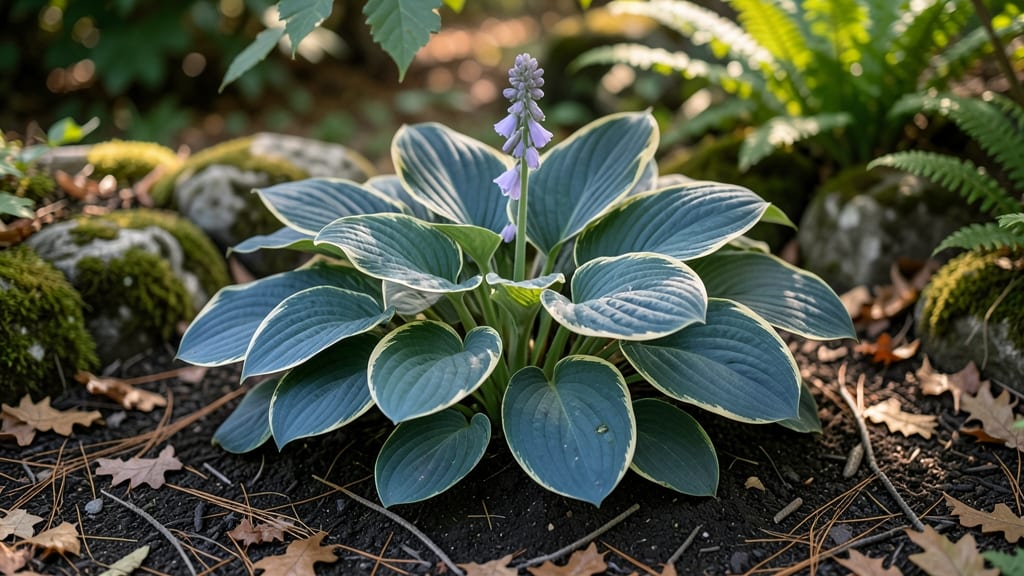
Rounded leaf plants like aloe, hosta, and jade bring that satisfying, sculptural look to any space. 🌿 I’ve pruned everything from variegated hostas to plump jade plants, and the secret to keeping them lush isn’t complicated—it’s about timing, technique, and knowing when to step back.
These plants thrive when you guide their growth, not fight it.
The key is pruning just before their natural growth spurt—spring for most, but late summer for succulents like jade. Cut back leggy stems by a third, and you’ll trigger bushier, denser foliage.
Over-pruning stresses plants, while under-pruning leaves them sparse. Think of it like sculpting: you’re shaping their future shape, not hacking them into submission.
By summer’s end, you’ll see fuller plants with vibrant, rounded leaves that catch the light. The best part? These pruning tips work for both shade-loving hostas and sun-basking succulents. Even my black thumb can’t mess this up—once you get the rhythm, it’s foolproof.
We’ll also cover troubleshooting—yellowing leaves, pests, and how to revive a plant that’s lost its shape. Whether you’re dealing with a single pot or a garden bed, these rounded leaf stars will reward you with year-round interest.
Understanding Leaf Shape Shifts
If your once-vibrant rounded leaf plant is now sporting puckered, curled, or oddly shaped leaves, don’t panic—there’s usually a logical (and fixable!) reason behind it. Leaf morphology changes often signal underlying stress or environmental mismatches.
Below, we break down the most common culprits, backed by science, so you can diagnose and correct the issue before it worsens.
Plants are sensitive to temperature extremes, and sudden shifts can trigger rounded or puckered leaves as a defensive response. Here’s how it works:
- Cold Stress: When roots or foliage encounter temperatures below the plant’s ideal range (e.g., <60°F/15°C for tropical varieties), metabolic processes slow down. Cells struggle to expand properly, leading to thickened, rounded leaves as the plant conserves energy. Example: A Monstera deliciosa left near a drafty window may develop stiff, curled leaves.
- Heat Stress: Excessive heat (especially above 90°F/32°C) causes protein denaturation in leaf cells. The plant’s guard cells close stomata to retain moisture, but this disrupts nutrient distribution, resulting in blistered or rounded edges. Pro Tip: If leaves feel hot to the touch, it’s a red flag for heat damage.
- Solution:
- Move the plant to a consistent temperature zone (check its native climate—tropical plants thrive at 65–80°F/18–27°C).
- Use a heat mat in winter or a shade cloth in summer to buffer extremes.
- Monitor humidity—low humidity + heat = faster transpiration, worsening stress.
Water is the lifeblood of leaf development, and imbalances are a top cause of rounded or deformed foliage. Here’s the science:
| Issue | Leaf Reaction | Why It Happens |
|---|---|---|
| Underwatering | Leaves turn thick, leathery, and rounded (like puckered skin). | Cells lose turgor pressure due to plasmolysis (when water exits plant cells faster than roots can absorb it). The leaf structure collapses inward to minimize water loss. |
| Overwatering | Leaves develop yellowing edges with rounded, blistered spots. | Excess moisture suffocates roots, cutting off oxygen (hypoxia). The plant can’t transport nutrients, leading to edema (waterlogging in cells) and distorted growth. |
| Inconsistent Watering | Leaves appear unevenly rounded or develop cauliflower-like bumps. | Fluctuating soil moisture confuses the plant’s osmotic balance, causing erratic cell expansion. |
Actionable Fixes:
- Check soil moisture with your finger—top 1–2 inches should be dry before watering (adjust for pot size).
- Use well-draining soil (e.g., mix potting soil with perlite or orchid bark).
- Water at the base, not overhead, to prevent fungal stress.
- Pro Tip: If leaves feel squishy, it’s overwatering. If they’re crispy, it’s underwatering.
Light is the energy currency for photosynthesis, but too much or too little throws a wrench into leaf development. Here’s how:
- Too Little Light: Stunted, dark green, rounded leaves occur because the plant stretches (etiolation) toward light. Chlorophyll production drops, and cells grow unevenly.
- Too Much Light (Sunburn): Leaves develop white or brown rounded patches as UV rays damage cell membranes. This is common in variegated plants (like Snake Plant), where white tissue lacks protective pigments.
- Solution:
- Rotate the plant quarter-turn weekly for even light exposure.
- Use sheer curtains for indirect light or grow lights (12–14 hours/day) for low-light plants.
- Acclimate gradually to direct sunlight (start with 2–3 hours/day).
Leaves are like nutrient sponges, and imbalances in soil chemistry directly alter their shape and texture. Here’s what’s likely happening:
| Nutrient Issue | Leaf Symptom | Scientific Cause |
|---|---|---|
| Nitrogen Deficiency | Small, dark, rounded leaves with stunted growth. | Nitrogen is critical for cell division. Without it, leaves can’t expand properly, leading to compact, puckered foliage. |
| Potassium Deficiency | Leaves develop rounded, brittle edges with brown spots. | Potassium regulates osmotic pressure and enzyme activity. A deficiency causes weak cell walls, leading to deformation. |
| Magnesium Deficiency | Yellowing between veins with leaves curling into rounded shapes. | Magnesium is central to chlorophyll production. Without it, photosynthesis falters, and leaves metabolically “shrink”. |
| Fluoride/Chloride Toxicity | Rounded, leathery leaves with dark spots. | Excess salts (from tap water or fertilizers) disrupt enzyme function, causing cellular stress and abnormal growth. |
How to Fix It:
- Test soil with a DIY pH kit (ideal range: 6.0–7.0 for most plants).
- Flush soil with rainwater or distilled water to remove salt buildup.
- Fertilize with a balanced NPK (e.g., 10-10-10) or Epsom salt (magnesium sulfate) for deficiencies.
- Pro Tip: If leaves taste
Quick Fixes for Leaf Shape Issues
When your rounded leaf plant starts losing its shape or developing unwanted growth patterns, don’t panic—there are simple, effective solutions to restore its lush, full appearance. Below, we’ll break down common problems and their fixes, so you can get back to enjoying a thriving, bushy plant in no time.
Cause: Too much shade, inconsistent watering, or lack of pruning leads to sparse, leggy stems with small, rounded leaves.
Fix It:
- 🔪 Trim the Top: Cut back the tallest stems by one-third to encourage branching. Use clean, sharp pruners to avoid damaging the plant.
- 🌿 Pinch New Growth: If your plant is still leggy, pinch off the top 1-2 inches of new shoots to redirect energy to side branches.
- 🌞 Boost Light Exposure: Move your plant to a brighter spot (but avoid harsh direct sun, which can scorch leaves).
Prevention Tips: ✅ Rotate your plant weekly to ensure even light exposure. ✅ Prune regularly (every 4-6 weeks) to maintain shape. ✅ Use grow lights if natural light is insufficient.
Cause: Overwatering, underwatering, or nutrient deficiencies can cause leaves to yellow, droop, or lose their rounded shape.
Fix It:
- 💧 Check Soil Moisture: Stick your finger 1 inch into the soil—if it’s soggy, let it dry out. If it’s bone-dry, water deeply.
- 🌱 Repot if Needed: If roots are circling or soil is compacted, repot in fresh, well-draining mix (use a pot 1-2 inches larger than the current one).
- 🍽️ Feed with Fertilizer: Use a balanced liquid fertilizer (10-10-10) every 4-6 weeks during growing season.
Prevention Tips: 💡 Water only when the top inch of soil is dry—never let it sit in water. 💡 Use a pot with drainage holes to prevent root rot. 💡 Flush soil every 3 months to remove excess salts.
Cause: Spider mites, aphids, or mealybugs can distort leaves and stunt growth.
Fix It:
- 🚿 Isolate & Wipe Down: Move the plant away from others and dip a cotton swab in rubbing alcohol to wipe off pests.
- 🌿 Spray with Neem Oil: Mix 1 tsp neem oil + 1 tsp mild soap + 1 quart water, then spray every 5-7 days until pests are gone.
- 🌱 Introduce Beneficial Insects: Ladybugs or lacewings can help control pests naturally.
Prevention Tips: ✨ Inspect new plants before bringing them indoors. ✨ Keep your plant dust-free—wipe leaves with a damp cloth weekly. ✨ Avoid over-fertilizing, which attracts pests.
Cause: Sudden temperature shifts (below 50°F or above 90°F) can cause leaf curling or browning.
Fix It:
- 🏡 Move to a Stable Spot: Keep your plant in a temperature-controlled area (60-75°F is ideal).
- 🌧️ Mist Leaves in Heat: Lightly mist foliage daily to prevent wilting.
- 🧊 Acclimate Slowly: If moving outdoors, harden off by placing it in shade for a few hours before full sun exposure.
Prevention Tips: 🔥 Avoid drafts from AC vents or heaters. 🔥 Use a humidity tray if your home is dry. 🔥 Monitor weather forecasts and bring plants indoors if frost is expected.
Cause: Pale, small, or discolored rounded leaves often mean your plant needs nitrogen, phosphorus, or potassium.
Fix It:
- 🍃 Test Soil pH: Use a soil test kit—ideal pH for most rounded leaf plants is 6.0-7.0.
- 💊 Apply Slow-Release Fertilizer: Sprinkle granular fertilizer around the base and water well.
- 🍂 Use Compost Tea: Brew compost tea (steep compost in water for 24 hours) and water plants with it for a nutrient boost.
Prevention Tips: 📊 Fertilize in spring and summer—skip winter feeding. 📊 Rotate fertilizer types (e.g., fish emulsion for nitrogen, bone meal for phosphorus). 📊 Avoid over-fertilizing, which can burn roots.
Track watering, pruning, and fertilizer dates to spot patterns. A little consistency goes a long way in keeping your rounded leaf plant lush, full, and thriving year-round! 🌿✨
Frequently asked questions about rounded leaf plants
Which common houseplants have rounded leaves?
Popular rounded leaf plants include jade plants, money plants (pothos), hostas, aloe vera, and succulents like echeveria. These plants thrive indoors and add texture to any space with their plump, sculptural foliage.
How often should I prune my rounded leaf plant?
Prune your plant every 4-6 weeks during growing seasons (spring-fall) to maintain shape. Focus on removing leggy stems by one-third to encourage bushier growth. Avoid heavy pruning in winter when growth slows.
Why are my rounded leaves turning yellow?
Yellowing rounded leaves usually signal overwatering or nutrient deficiency. Check soil moisture—it should be dry 1-2 inches deep before watering. If roots feel mushy, repot in fresh, well-draining soil and reduce watering frequency.
Can I propagate my rounded leaf plant from cuttings?
Yes! For succulents like jade plants, snip a healthy stem and let it callus for 24 hours before planting in dry soil. Money plants root easily in water—place a cutting in a jar of water until roots form (2-3 weeks). Use rooting hormone for faster results.
What's the best light for rounded leaf plants?
Most rounded leaf plants prefer bright, indirect light (like an east-facing window). Succulents need 4-6 hours of direct sun daily, while hostas thrive in shady spots. Rotate plants weekly for even growth and avoid harsh midday sun.