
Shrubs
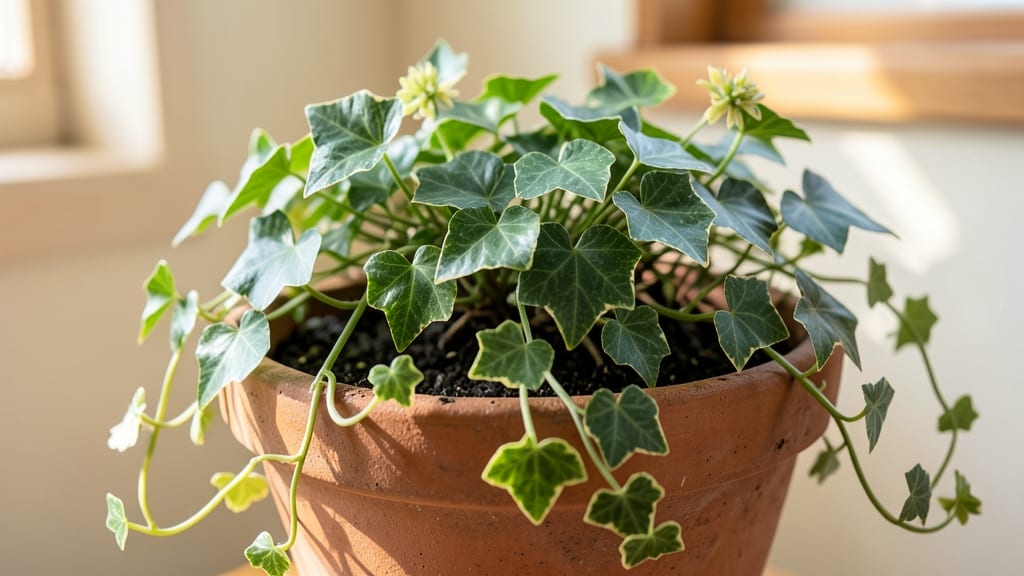
Small leaf ivy thrives where most plants struggle—shady corners, dry air, and even rocky slopes. 🌿 I’ve covered my patio walls with it, and after three years, it’s still lush, with no dead patches or brown spots.
The secret lies in understanding its natural resilience and a few simple care habits that keep it growing year-round.
This ivy handles partial shade like a champ, making it perfect for under trees or north-facing walls. It’s happy in average garden soil but loves well-draining mixes if your ground stays soggy.
The key is watering only when the top inch feels dry—overwatering is its biggest enemy, and it’ll show you by dropping leaves faster than you can say "root rot."
Once established, small leaf ivy spreads like a green carpet, smothering weeds and softening harsh edges. Prune it back in early spring to encourage dense growth, and watch it bounce back with fresh, vibrant foliage. It’s the ultimate low-maintenance plant for busy gardeners who still want that "just-tended" look.
Whether you’re draping it over a trellis, spilling it from a hanging basket, or letting it cascade down a slope, this ivy adapts to almost any spot. The best part? Even beginners can’t kill it—just give it space to stretch and a little occasional attention.
📚 In This Guide
- What you need
- Instructions
- Tips and common mistakes
- Wrapping up and next steps
What you need
- ● Small leaf ivy plants: 1-3 healthy cuttings or nursery-grown plants (6–12 inches tall). Choose ones with vibrant green leaves and no signs of pests.
- ● Growing medium: Indoors: Well-draining potting mix (e.g., 60% peat/coir, 30% perlite, 10% compost). 1 bag (5–10 quarts) per plant.
- ● Outdoors: Loamy, slightly acidic soil (pH 6.0–7.5). Amend with compost for better drainage.
- ● Containers (indoors): 6–12-inch pots with drainage holes. 1–3 pots, depending on quantity.
- ● Watering can or spray bottle: For gentle hydration (avoid soggy roots!).
- ○ Fertilizer (optional but helpful): Balanced liquid fertilizer (10-10-10 or 20-20-20), diluted to half-strength.
- ● Pruning shears or sharp scissors: For trimming leggy stems or propagating cuttings.
- ○ Gloves (optional): To protect hands from soil or sap.
- ● Sunlight assessment: Identify a spot with bright, indirect light (indoors) or partial shade (outdoors).
- ○ Support structure (optional): Trellis, lattice, or moss pole for climbing varieties.
Step-by-step instructions for cultivating small leaf ivy
Here's how to grow vibrant, trailing small leaf ivy that thrives indoors year-round with just a few simple steps.
🪴 Step 1: Choose the Right Container and Soil
Small leaf ivy thrives in 6-8 inch hanging baskets or window boxes with drainage holes—those tiny roots need airflow to prevent rot. I always use well-draining potting mix (never garden soil) because ivy hates soggy roots. Mix in 20% perlite to keep moisture balanced and prevent compaction.
Fill the container ¾ full with the mix, leaving room for the plant's growth. Tap the pot gently to settle the soil without compacting it. The surface should feel slightly firm but still light when pressed—this ensures roots can spread easily while water drains properly.
🌱 Step 2: Plant and Position for Optimal Light
Gently remove the ivy from its nursery pot and tease the roots apart if they're crowded. Place the plant in the container so the soil line sits 1 inch below the rim—this prevents water from spilling over when you water. Press the soil lightly around the roots to secure the plant.
Small leaf ivy loves bright, indirect light—think east or north-facing windows. Direct sun can scorch the delicate leaves, while too little light makes it grow leggy and sparse. You'll know the light is right when the leaves stay deep green and the growth remains compact. If stems stretch too long, move it closer to the window.
💧 Step 3: Water and Maintain Humidity
Water when the top inch of soil feels dry—stick your finger in to check. Ivy prefers consistent moisture but hates sitting in water. I water deeply until it drains from the bottom, then empty the saucer after 10 minutes to prevent root rot. In winter, water slightly less since the plant grows slower.
Mist the leaves 2-3 times a week or place the pot on a pebble tray with water to boost humidity. You'll see the leaves perk up and stay lush—dry air is the #1 reason ivy turns crispy. Grouping plants together also helps create a microclimate of natural humidity.
✂️ Step 4: Prune and Encourage Bushy Growth
Trim back leggy stems to encourage fuller growth—cut just above a leaf node where new shoots will emerge. I prune in early spring to shape the plant and remove any yellow or brown leaves. Regular pruning keeps ivy compact and prevents it from looking sparse.
Pinch back the tips of new growth occasionally to prompt bushier growth. You'll notice side shoots forming within 2-3 weeks—this is your reward for keeping up with pruning. Avoid heavy pruning in fall or winter, as the plant needs energy to recover before spring.
🌿 Step 5: Fertilize and Monitor for Pests
Feed with a balanced liquid fertilizer (10-10-10) every 4-6 weeks in spring and summer. Cut back to once every 8 weeks in fall and winter. Over-fertilizing burns the roots, so always dilute to half-strength unless the label says otherwise. You'll see vibrant new growth within 2-3 weeks of fertilizing.
Check the undersides of leaves for spider mites or mealybugs—common pests that love ivy. Wipe leaves with a damp cloth weekly to remove dust and deter pests. If you spot tiny webs or cottony patches, isolate the plant and treat with neem oil or insecticidal soap. Early action prevents an infestation from taking over.
Tips & tricks for perfect small leaf ivy care
Here's what nobody tells you about keeping your small leaf ivy thriving for years—these are the secrets that make all the difference!
Container Selection: The 6-8 inch hanging baskets or window boxes mentioned are perfect, but here's the thing: add a layer of landscape fabric at the bottom before the soil. This prevents soil from washing out through drainage holes while still allowing water to flow freely. I learned this the hard way after watching soil escape during watering!
Light Adjustment: If your ivy starts looking stretched and pale, it's begging for more light—but not direct sun! Try rotating the plant quarter-turns every 2 weeks to ensure even growth. You'll notice within 2-3 weeks that the stems thicken and leaves stay vibrant. This simple trick prevents that "leggy" look that kills the aesthetic.
Watering Wisdom: That 10-minute drainage rule after watering is golden, but here's the pro move: weigh your pot before and after watering. When it's consistently the same weight, you know the plant's had enough to drink. This method prevents both overwatering and underwatering—two of the biggest killers of small leaf ivy.
Pruning Payoff: When you're pinching back those tips to encourage bushier growth, save the cuttings! Place them in water with just the bottom node submerged—they'll root within 2-3 weeks and give you free baby ivy plants. It's like getting bonus plants for nothing, and your original plant will thank you for the pruning.
Pro Tips for Small Leaf Ivy
- Here's what nobody tells you about keeping your small leaf ivy thriving for years—these are the secrets that make all the difference!
- Container Selection: The 6-8 inch hanging baskets or window boxes mentioned are perfect, but here's the thing: add a layer of landscape fabric at the bottom before the soil.
- Light Adjustment: If your ivy starts looking stretched and pale, it's begging for more light—but not direct sun!
Frequently asked questions
Got questions about keeping your small leaf ivy thriving?
Here are answers to the most common ones—so you can enjoy that lush, low-maintenance greenery all year!
How often should I water small leaf ivy?
Water your small leaf ivy only when the top 1-2 inches of soil are dry. Typically, this means watering every 1-2 weeks in warm months and even less in winter. Overwatering is the #1 killer—stick your finger in the soil to check before watering!
Can small leaf ivy survive winter outdoors?
Yes! This hardy plant tolerates USDA zones 7-11 and can handle light frosts. In colder zones, mulch the base with 2-3 inches of wood chips to protect roots. If temperatures drop below 10°F (-12°C), consider moving potted plants indoors near a bright window.
Why are my ivy leaves turning yellow or brown?
Yellow leaves often signal overwatering, while brown edges or crispy leaves mean underwatering or low humidity. Check for pests like spider mites (tiny webs on undersides!) and adjust care. Pro tip: Mist leaves occasionally in dry climates!
How do I prune small leaf ivy for a bushier look?
Prune in early spring by cutting back leggy stems by ⅓. Snip just above a leaf node (where leaves grow) to encourage branching. Never cut into bare wood—this can kill the plant. Wear gloves; ivy sap can irritate skin!
What’s a good alternative if I can’t grow small leaf ivy?
Try English ivy (Hedera helix) for similar trailing growth, or creeping fig (Ficus pumila) for a faster-spreading option. For drought-tolerant shrubs, consider dwarf boxwood (Buxus microphylla) or Japanese holly (Ilex crenata).
Wrapping up and next steps
Small leaf ivy is the ultimate low-maintenance plant for adding year-round greenery to your space—whether indoors or out! With its hardy nature, adaptability, and minimal care needs, it’s perfect for busy gardeners or beginners. 🌿✨
Ready to transform your space? Start by choosing your spot—whether a hanging basket, vertical garden, or cozy corner—and watch your small leaf ivy thrive with confidence. Happy gardening!