
Vegetables
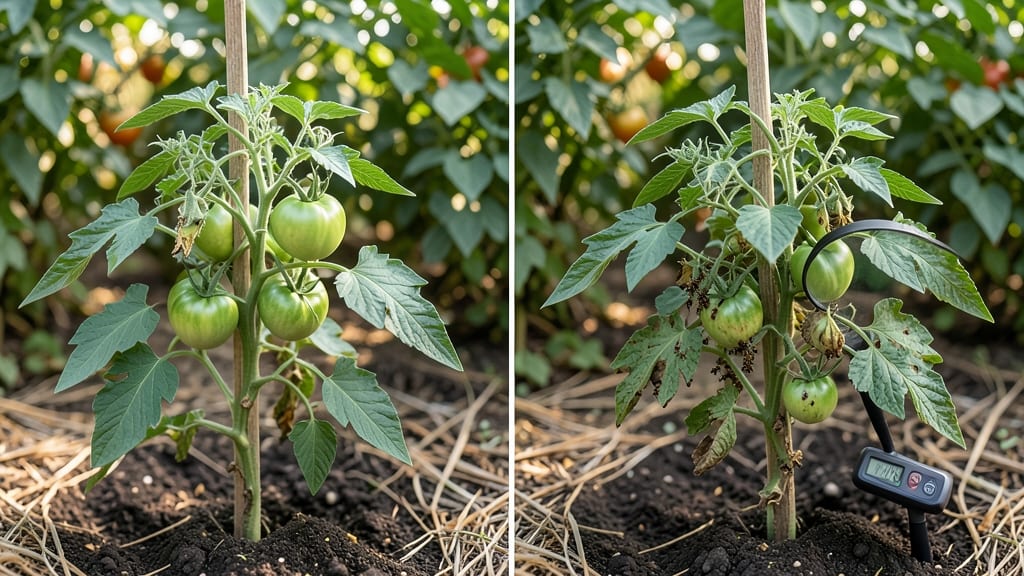
When your tomato leaves start curling like crispy edges of a forgotten chip, tomato curly leaf virus is likely the culprit—and copper spray might just save your harvest. 🌱 I’ve watched this stubborn virus turn vibrant plants into sad, stunted shadows, but I’ve also seen copper spray bring them back from the brink when used right.
The virus spreads through aphids, and once it’s in your garden, it’s nearly impossible to eradicate completely. That’s why prevention is key: remove infected plants immediately, control aphids with neem oil or insecticidal soap, and plant resistant varieties like ‘Mountain Merit’ or ‘Defiant PhR.’
Copper spray helps slow the virus’s spread by strengthening plant defenses, but it’s not a magic bullet.
With consistent copper applications every 7–10 days and proper sanitation, you’ll see leaves uncurl and plants regain their vigor. The key is acting fast—don’t wait until the entire plant looks like it’s been hit by a heat wave. Early intervention makes all the difference.
This approach works best in warm climates where aphids thrive, but even cooler regions can benefit from copper sprays as a preventive measure. Let’s get those tomatoes back to their crisp, healthy glory before the season slips away.
The Hidden Triggers Behind Leaf Distortion
When your tomato plants start showing puckered, curled leaves and stunted growth, the culprit is often the Tomato curly top virus (TCTV), a plant pathogen spread by specific vectors and environmental factors.
Understanding these triggers is key to prevention—and saving your harvest. Here’s why this frustrating issue happens, broken down into the most common causes:
The primary carriers of the Tomato curly top virus are leafhoppers and, to a lesser extent, aphids. These insects don’t just nibble—they inject the virus while feeding. Leafhoppers, in particular, are highly mobile and can transmit the virus within minutes of acquiring it from an infected plant.
- Why it matters: Leafhoppers thrive in hot, dry conditions (especially in arid or semi-arid regions) and are most active during daylight hours.
- Actionable insight: If you notice yellowing, curled leaves paired with tiny, fast-moving insects on your plants, you’re likely dealing with a viral spread. Early scouting (especially in late spring/early summer) can stop outbreaks before they start.
- Pro tip:🌡️ Use yellow sticky traps near tomato beds to monitor leafhopper activity. If you catch 10+ per week, it’s time to intervene with neem oil sprays or kaolin clay barriers.
Healthy tomato plants have natural defenses, but stress makes them vulnerable to viral infections. The Tomato curly top virus exploits plants that are:
- Nutrient-deficient (especially low in phosphorus or potassium).
- Water-stressed (either underwatered or overwatered, leading to root rot).
- Damaged by pests (e.g., spider mites, whiteflies) or physical trauma (e.g., rough handling during transplanting).
- Young or overcrowded, reducing airflow and increasing humidity (a breeding ground for secondary infections).
Why it matters: A stressed plant’s phloem tissue (the plant’s "highway" for nutrients) becomes disrupted, making it easier for the virus to hijack cellular processes and cause curling, stunting, and even premature fruit drop.
The Tomato curly top virus is not spread by seeds, soil, or tools—it’s insect-borne, and its spread is heavily influenced by weather. Key triggers include:
| Factor | Why It Boosts Virus Spread | Actionable Fix |
|---|---|---|
| Drought conditions | Leafhoppers are drawn to thirsty plants and reproduce faster in dry soil. | Use drip irrigation to keep soil moist (but not soggy) during peak leafhopper season. |
| High temperatures (80°F+) | Viruses replicate faster in warm conditions, and leafhoppers become more aggressive feeders. | Provide shade cloth (30-50%) for young plants in extreme heat. |
| Wind & poor airflow | Leafhoppers hitch rides on wind currents, spreading the virus across large areas quickly. | Space plants 18–24 inches apart and use windbreaks (e.g., corn or tall grasses) as barriers. |
While the virus itself isn’t soil-borne, garden tools, hands, or clothing can transfer leafhopper frass (excrement) or virus-laden sap from infected to healthy plants. This is especially risky when:
- You prune infected plants without disinfecting tools.
- You reuse containers from previously infected crops without sterilizing.
- You work in infected areas first before moving to healthy plants.
Why it matters: The virus can survive on tools for hours, and even a tiny smear of sap can infect a new plant.
Pro tip:✨ Disinfect tools between plants with 70% isopropyl alcohol or a 10% bleach solution. For containers, soak in hot, soapy water for 10 minutes.
Fixing Leaf Curl in Tomatoes
If your tomato plants are showing signs of leaf curl—crinkled, yellowing, or stunted growth—don’t panic. While tomato curly leaf virus (often spread by aphids or infected plant material) can’t be cured once it takes hold, you can slow its spread, strengthen your plants, and prevent further damage.
Here’s a practical, step-by-step guide to tackle the issue head-on.
Cause: Viral spread through sap or aphids. Fix:
- 🔪 Snip and dispose of severely infected leaves or entire plants (especially if curled leaves are more than 30% of the plant). Bag them in sealed plastic and toss in the trash—not compost—to prevent reinfection.
- 🌱 Quarantine healthy plants if you suspect exposure. Keep them 6+ feet away from infected ones to limit aphid movement.
- Pro Tip: 💡 If you’re unsure whether a plant is infected, check for aphids on the undersides of leaves—they’re the #1 culprit for spreading this virus.
Cause: Fungal or bacterial secondary infections (common when plants are weakened by viruses). Fix:
- 👨🍳 Mix a homemade copper spray (1 tsp copper sulfate + 1 gallon water + a drop of dish soap as a surfactant). Spray early morning or late evening to avoid burning leaves.
- ⏰ Apply every 7–10 days during outbreaks. Copper disrupts pathogen cell walls, giving your plants a fighting chance.
- Store-bought option: Use copper fungicide sprays (like Bonide Copper Fungicide) for convenience.
- Pro Tip: 🌡️ Test a small leaf first—some plants (like heirloom tomatoes) can be sensitive to copper.
Cause: Weakened plants are more susceptible to viruses and pests. Fix:
- 💧 Water at the base (not overhead) to prevent aphid attraction and reduce fungal spores.
- 🌿 Feed with compost tea or fish emulsion (high in phosphorus and potassium) to strengthen roots and leaves.
- 🌱 Mulch with straw or grass clippings to suppress weeds (which harbor pests) and retain moisture.
- 🐝 Encourage beneficial insects like ladybugs and lacewings—they devour aphids naturally. Plant dill, marigolds, or basil nearby as aphid traps.
Cause: Repeated exposure to viruses or pests. Fix:
- 🌱 Rotate crops—never plant tomatoes (or nightshades like peppers/eggplants) in the same spot two years in a row.
- 🧼 Clean tools with rubbing alcohol between uses to avoid spreading viruses.
- 🌿 Buy certified disease-free seeds or start from healthy transplants (avoid bargain seedlings from infested greenhouses).
- 🚫 Remove volunteer tomatoes (wild plants that sprout from fallen seeds)—they can harbor viruses.
- Pro Tip: ✨ Plant early or late in the season when aphid populations are lower.
If more than 50% of your plants are infected, it’s often best to remove them all to protect next year’s harvest. Focus on preventing spread to nearby healthy crops, especially if you’re growing peppers or potatoes (also susceptible to curly leaf virus).
Remember: While you can’t reverse viral damage, aggressive early action can save your garden from a full-blown outbreak. Stay vigilant, and your tomatoes will bounce back stronger! 🍅💪
Frequently asked questions
Can copper spray actually cure tomato curly leaf virus?
No, copper spray won't cure an established infection—but it can slow the virus's spread and help prevent secondary infections. The spray strengthens plant defenses by disrupting fungal/bacterial growth, giving your tomatoes a fighting chance. Use it every 7-10 days during outbreaks for best results.
How do I know if my tomato plants have curly leaf virus vs. just heat stress?
Check for these key differences: curly leaf virus causes permanent leaf curling (not temporary wilting), stunted growth, and yellowing between veins. Heat stress usually affects only older leaves and recovers when temps drop. Look for tiny insects (aphids/leafhoppers) on undersides—those spread the virus.
Can I still harvest tomatoes from infected plants?
Yes, but only from uninfected parts of the plant. Remove any fruit from heavily curled branches (they may have reduced quality). The virus doesn't spread through fruit, but infected plants produce smaller, lower-quality tomatoes. Focus harvests on healthy branches to maximize yield.
What's the best way to prevent this virus in my garden?
Start with aphid control (neem oil, insecticidal soap) and yellow sticky traps. Use resistant varieties like 'Mountain Merit' or 'Defiant PhR'. Practice crop rotation (never plant tomatoes in the same spot two years in a row) and sanitize tools between plants with rubbing alcohol.
Will my other nightshades (peppers/eggplants) get infected too?
Yes, all nightshades are susceptible! The same virus affects peppers, eggplants, and potatoes. Isolate infected plants immediately and monitor nearby crops. Remove any volunteer plants (wild tomatoes) that might harbor the virus and attract aphids.