
Leaf Blower
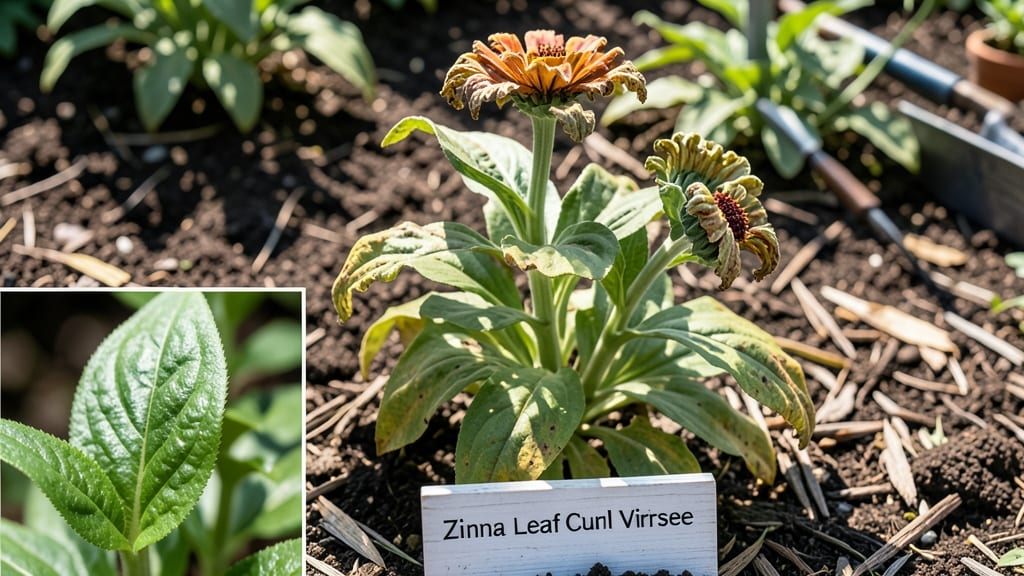
Your zinnias are developing those crispy, curled edges that make them look like they’ve been kissed by frost—except it’s happening in July. 🌿 I’ve battled zinnia leaf curl for three summers now, and I’ve finally cracked the code on how to rescue them with copper spray (and when to give up).
The problem starts with tiny, puckered leaves that slowly harden into brittle, yellowing edges. By the time you notice the curling, aphids or a virus have already moved in, and your once-vibrant blooms turn into sad, stunted shadows. The good news?
Copper spray can stop it in its tracks if you catch it early. You’ll need to act fast: remove the worst-affected plants immediately, spray the rest with a homemade copper solution (1 teaspoon copper sulfate per gallon of water), and repeat every 7-10 days until new growth appears.
The key is consistency—this isn’t a one-and-done fix. For next season, opt for heat-tolerant varieties like ‘Benary’s Giant’ or ‘Profusion,’ and keep aphids at bay with neem oil. If the problem persists, it might be a virus—time to call in a local extension office for a proper diagnosis.
Root Causes Of Leaf Distortion
Understanding why your zinnias develop leaf curl—and those telltale crispy edges—starts with identifying the primary triggers behind this frustrating symptom. While copper spray is a popular remedy, addressing the real cause ensures long-term plant health. Here’s a breakdown of the most common culprits, explained in simple terms with actionable insights.
The zinnia leaf curl virus (ZLCV), transmitted by sap-sucking insects like whiteflies and aphids, is the #1 culprit behind distorted, curled leaves.
This virus belongs to the Geminiviridae family and disrupts the plant’s normal growth hormones, causing: - Thickened, upward-curling leaves (a classic symptom). - Stunted growth due to disrupted cell division. - Crispy, brittle edges as the plant struggles to photosynthesize efficiently.
Why it happens:
- Insect vectors (whiteflies, aphids) feed on infected plants, then spread the virus to healthy ones via their saliva.
- Warm, dry conditions (common in summer) create ideal breeding grounds for these pests, accelerating viral spread.
- Weakened plants (from stress, poor soil, or overcrowding) are more susceptible to infection.
Actionable fix:
- Remove infected plants immediately to prevent spread.
- Use insect netting to block whiteflies and aphids during blooming season.
- Encourage natural predators like ladybugs or lacewings with companion planting (e.g., marigolds).
Extreme or fluctuating conditions—like heat stress, drought, or sudden temperature shifts—can mimic viral symptoms, causing leaves to curl and edges to crisp.
Zinnias, while hardy, thrive in consistent conditions, and deviations trigger: - Leaf curling as a protective response to conserve moisture. - Edge browning from dehydration or sun scorch (when high temps + low humidity occur). - Stunted growth if stress persists during critical development stages.
Why it happens:
- Poor watering habits (underwatering or overhead irrigation) lead to uneven moisture distribution.
- Intense afternoon sun (especially in high-heat zones) can "cook" leaf edges.
- Cold drafts or wind disrupt cell structure, causing curling as a survival mechanism.
Actionable fix:
- Water deeply at the base (1–2 inches per week) and avoid wetting leaves to prevent fungal secondary infections.
- Provide afternoon shade (use shade cloth or plant near taller crops) in extreme heat.
- Mulch heavily (2–3 inches of organic mulch) to retain soil moisture and regulate temperature.
Zinnias are heavy feeders, and deficiencies—or excesses—of key nutrients can trigger leaf curl and crispy edges.
The most critical imbalances include: - Potassium deficiency → Weak cell walls, leading to edge browning and curling (a classic "scorch" symptom). - Magnesium deficiency → Interveinal chlorosis (yellowing between veins) followed by curling and crispiness. - Excess nitrogen → Soft, pale growth that’s prone to curling and pest attraction.
Why it happens:
- Over-fertilizing with nitrogen (e.g., too much blood meal or synthetic N) promotes lush but weak foliage.
- Poor soil drainage leaches nutrients like potassium and magnesium, making them unavailable.
- pH imbalances (soil too acidic or alkaline) lock out essential minerals, even if they’re present.
Actionable fix:
- Test your soil (use a DIY kit or send a sample to a lab) to identify deficiencies.
- Feed with a balanced fertilizer (e.g., 10-10-10 or compost tea) at planting and mid-season.
- Add Epsom salt (1 tbsp per gallon of water, sprayed foliarly) for magnesium if yellowing appears between veins.
While less common than viruses, fungal pathogens (like Alternaria or Septoria) and bacterial leaf spot can cause curling and crispy edges as secondary symptoms.
These pathogens thrive in: - Humid, stagnant conditions (from overwatering or poor airflow). - Damaged leaves (from hail, pests, or mechanical injury), which serve as entry points.
Why it happens:
- Overhead watering splashes spores onto leaves, promoting infection.
- Crowded plants reduce airflow, creating a damp microclimate ideal for fungi.
- Old or diseased plant debris left in the soil harbors pathogens year-round.
Actionable fix:
- Space plants 12–18 inches apart for airflow and sunlight penetration.
- Water at the soil level (use drip irrigation or soaker hoses).
- Remove and destroy infected foliage immediately, then apply copper fungicide (like copper sulfate) preventatively.
Copper spray is not a cure for viral infections but can:
- Suppress fungal/bacterial secondary infections that worsen symptoms.
- Deter soft-bodied pests (aphids, whiteflies) that spread viruses.
- Boost plant resilience by providing trace minerals (copper is a micronutrient).
Why it’s often misused:
- Gardeners spray copper after seeing curl, but the damage (from viruses) is already done.
- Overuse can lead to copper toxicity (leaf burn), making problems worse.
Actionable fix:
- Use copper spray preventatively (at first sign of pests or in high-risk areas).
- Rotate with neem oil (for pests) and baking soda spray (for fungi) to avoid resistance.
- Combine with cultural fixes (proper watering, spacing, and soil health) for best results.
Fixing Crispy Leaf Edges Naturally
When your zinnias start showing those telltale curled, crispy edges, don’t panic—there are effective, plant-friendly fixes to restore their health. The key is to tackle the root cause while giving your flowers the support they need to bounce back.
Below, we’ve broken down practical solutions for the most common triggers, from quick fixes to long-term prevention.
If the curl is severe, prune the affected leaves to stop the spread. Use sterilized scissors or pruners (wipe with rubbing alcohol between cuts) to avoid introducing pathogens.
How to do it:
- 👨🍳 Identify dead or dying foliage—look for leaves that are brown, brittle, or completely curled.
- ✂️ Snip just above a healthy leaf node (the bump where new growth emerges).
- 🗑️ Dispose of clippings in the trash (not compost) to prevent reinfection.
Pro tip: 💡 Morning pruning is best—it gives plants time to recover before evening temperatures drop.
Overwatering or underwatering can mimic symptoms of leaf curl. Zinnias hate soggy roots but also struggle in bone-dry soil.
Quick fixes:
- 💧 Check soil moisture—stick your finger 1–2 inches deep. If dry, water deeply until it drains from the bottom.
- 🌧️ Water at the base (not overhead) to prevent fungal spores from splashing onto leaves.
- ⏰ Water early in the day so foliage dries quickly, reducing humidity-related stress.
Prevention tip: ✨ Mulch around plants with 2–3 inches of organic mulch (like straw or shredded leaves) to retain moisture and regulate temperature.
If leaf curl is caused by powdery mildew, downy mildew, or a virus, act fast with copper-based sprays (the hero of this article!) or organic alternatives.
Step-by-step treatment:
- 🔪 Choose your spray:
- Copper fungicide (e.g., Bonide Copper Fungicide) – kills fungal spores on contact.
- Neem oil (1 tsp per quart of water + a drop of dish soap) – disrupts fungal growth naturally.
- Baking soda spray (1 tbsp baking soda + 1 quart water + 1 tsp oil) – alkaline solution that inhibits mildew.
- 🍳 Mix and apply in the early morning (when humidity is lower).
- 🌿 Spray thoroughly on both sides of leaves and stems. Reapply every 7–10 days or after rain.
Pro tip: 🌡️ Avoid spraying in direct sunlight—it can burn leaves. Choose overcast days or water plants first to cool them down.
Aphids, whiteflies, and spider mites love zinnias and can trigger leaf curl by sapping nutrients.
Pest control methods:
- 🕷️ Blast off pests with a strong stream of water (early morning).
- 🍋 Spray insecticidal soap (1 tbsp castile soap + 1 quart water) on infested areas.
- 🌿 Introduce beneficial insects like ladybugs or lacewings—they eat pests naturally.
- 🛡️ Use row covers if pests are severe, especially for young plants.
Prevention tip: 🎯 Rotate crops—don’t plant zinnias in the same spot yearly to break pest life cycles.
A weak zinnia is vulnerable to curl.
Strengthen it with: - 🌱 Proper spacing (12–18 inches apart) for airflow. - 🍎 Balanced fertilizer (low-nitrogen, high-phosphorus like 5-10-10) to encourage blooms over foliage. - ☀️ Full sun (6+ hours daily)—zinnias thrive in warmth but avoid midday scorching in hot climates.
Pro tip: 🔥 Deadhead spent blooms regularly—it redirects energy to new growth and reduces stress.
Once you’ve treated the issue, keep these habits to prevent future curl:
- 🌧️ Rotate watering schedules—stick to a consistent routine.
- 🍂 Clean up debris after the growing season to remove overwintering pathogens.
- 🌿 Test soil pH (ideal: 6.0–7.0)—zinnias prefer slightly acidic to neutral soil.
- 🌱 Start with healthy seedlings—buy from reputable nurseries to avoid bringing home viruses.
Final Thought: 🌟 With the right care, your zinnias can fully recover from leaf curl—often within 2–4 weeks of treatment. The key is acting early and addressing the specific cause. Now grab your spray bottle and get those blooms back to their crisp, vibrant best!
Frequently asked questions
Can copper spray actually cure zinnia leaf curl?
Copper spray won't cure viral leaf curl, but it can stop secondary infections and deter pests like aphids that spread viruses. Use it preventatively (every 7-10 days) when you first spot pests, not after severe curling appears. For viral cases, removal of infected plants is your best defense.
Why are my zinnia leaves curling but not brown?
Curling without browning usually signals viral infection (like zinnia leaf curl virus) or nutrient deficiency (magnesium or potassium). Check for tiny whiteflies/aphids first—these pests spread viruses. If no pests, test your soil for deficiencies (yellowing between veins = magnesium issue).
How do I know if my zinnias have a virus or just heat stress?
Viral curl causes thickened, brittle leaves that stay curled even after stress relief, while heat stress produces soft, floppy curling that improves with shade and water. Test for viruses by checking for aphids/whiteflies—if present, it's likely viral. Heat-stressed plants recover within 24-48 hours of proper care.
Will removing curled leaves help my zinnias recover?
Yes! Prune only the most severely curled leaves (never more than 1/3 of the plant) to redirect energy to healthy growth. Use sterilized tools and dispose of clippings immediately—never compost infected material. This works best for fungal/bacterial issues, not viruses.
Can I still use zinnias from my garden next year if they had leaf curl?
No—viruses persist in plant debris. Remove ALL infected plants and clean your garden bed thoroughly. For next season, start with fresh seeds or certified disease-free seedlings. If you suspect a viral issue, contact your local extension office for testing before replanting.