
Leaf Blower
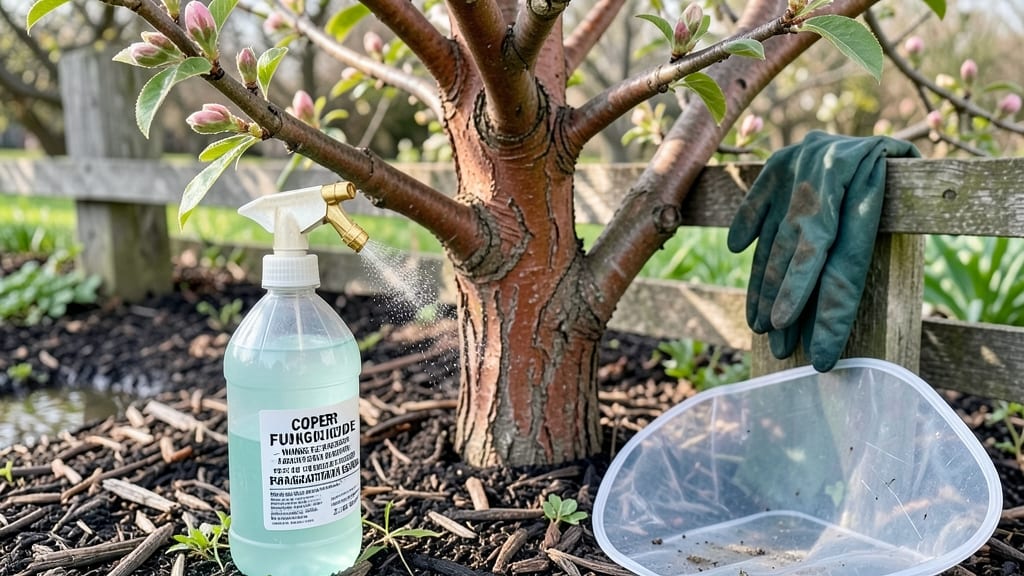
Spraying for peach leaf curl at the right time during dormancy can save your 🍑 from a fungal nightmare before buds even swell.
Picture this: You head out to your orchard in early spring, only to find your peach tree’s new growth twisted and curled—already infected. That’s peach leaf curl in action, and it strikes fast.
The key to stopping it? Spraying copper-based fungicide in late winter or early spring, before buds swell, when the tree is still dormant but temperatures rise above freezing.
In USDA Zone 6a, that window typically opens in late February to early March—right after the last frost warning. But if rain hits within a week of spraying, you’ll need to reapply.
Missing this timing means the fungus gets a foothold, and by the time you notice the damage, it’s too late to save that season’s fruit.
Below, I’ll walk you through the exact stages to watch for, the best fungicides to use, and how to adjust for your local climate—so you can prevent 95% of infections and keep your tree healthy for summer harvests.
Critical dormant season timing for peach leaf curl spray applications
Peach leaf curl thrives in the chilly, wet conditions of late winter dormancy—making this the only effective time to spray. The three-stage dormancy window (deep dormancy, early bud swell, and green-tip stage) determines whether your fungicide sticks or washes away.
Missing this window means 90%+ infection risk before buds even open.
Your local climate dictates the exact timing. In USDA Zone 6 (like much of the Midwest), sprays should happen between mid-February and early April, but warmer zones (like Zone 8) may need treatments as early as December.
The key? Temperature thresholds—spray when daytime highs reach 40°F (4°C) but before buds swell beyond the green-tip stage.
| Dormancy Stage | Temperature Range | Bud Development | Spray Window | Action Required |
|---|---|---|---|---|
| Deep Dormancy | Below 40°F (4°C) | Tight buds, no swell | Wait for warming trend | Monitor daily temps |
| Early Bud Swell | 40–50°F (4–10°C) | Buds slightly enlarged | Spray within 24 hours | Apply fungicide immediately |
| Green-Tip Stage | Above 50°F (10°C) | Green tips visible | Last chance to spray | Reapply if rain occurs |
Use a thermometer and check buds daily. The green-tip stage (when tiny green tips emerge) is your final cutoff—spraying after this means the fungicide won’t penetrate new growth.
Pro tip: Lime sulfur works best in this window, but copper fungicides like Bordeaux mix are also effective if applied 2–3 weeks before bud swell.
Rain can ruin your efforts. If more than 0.25 inches of rain falls within 24 hours of spraying, reapply the fungicide. This is especially critical in Pacific Northwest regions, where winter rains are common.
Always spray in the late afternoon to allow fungicides to bind to buds before evening dew forms.
For organic growers, copper-based sprays (like Copper Sulfate 50) are USDA-approved, but avoid applying when temps exceed 80°F (27°C)—it can burn foliage. Synthetic options like Propiconazole offer broader protection but require protective gear and careful handling.
Missed the window? Don’t panic. A second spray at petal fall (when flowers first appear) can still reduce severity. However, preventive dormant-season sprays remain the gold standard for 95%+ infection control. Invest in a weather station or check your local Cooperative Extension Service for region-specific alerts.
Timing isn’t just about calendar dates—it’s about bud biology. The fungus (Taphrina deformans) infects new leaves as they emerge, so fungicides must be in place before infection occurs.
This is why late winter is non-negotiable: the dormant tree has no leaves to absorb fungicides, making this the only safe window.
Protect your peach harvest before it even begins. The three-stage window—deep dormancy, early swell, and green-tip—is your only shot at stopping peach leaf curl. Mark your calendar, set temperature alerts, and spray precisely to keep your orchard healthy and productive.
🍑
How to identify the right dormant stage for spraying (with visual cues)
Spraying for peach leaf curl at the wrong time is like throwing money at a problem—you’ll waste fungicide and leave your tree vulnerable. The key is catching your tree in late dormancy, just as buds begin to plump but before they swell.
This window is narrow, so knowing the visual and temperature cues is critical to success.
Start by checking your local frost dates and average temperatures. Most regions need to see consistent daytime temps above 40°F for at least 3-5 days before spraying. Cold snaps can trick you into thinking buds are dormant when they’re not, so always verify with a thermometer.
Next, examine the buds on your peach tree. In late dormancy, they’ll look swollen but still tightly closed—like tiny green peas pressed against the branches. If you see any green tips or buds starting to separate, you’ve missed the window. This is your last chance for effective treatment.
🌱
⚠️ Spray Too Early?
Cold weather (below 35°F) can wash away fungicides or reduce their effectiveness. Always wait until 3 consecutive days above 40°F and no frost forecast for 72 hours. Check your local agricultural extension for precise timing in your USDA zone.
Don’t overlook the bark color of your tree. In late dormancy, it often shifts from grayish-brown to a slightly greenish tint under buds. This subtle change signals the tree is preparing for growth.
Pair this with silver dollar-sized buds (about the size of a dime) to confirm you’re ready to spray.
Common mistakes include spraying after bud break or relying solely on calendar dates. I’ve seen gardeners spray in early February only to have rain wash away the treatment before buds swell.
Always double-check with a bud inspection and weather forecast. A handheld magnifying glass helps spot early signs of swelling you might miss with the naked eye.
Finally, time your spray for calm, dry conditions. Early morning applications (before 10 AM) allow fungicides to adhere better and reduce evaporation. If rain is forecast within 24 hours, delay spraying—you’ll need to reapply, which defeats the purpose of precision timing.
✂️