
Leaf Blower
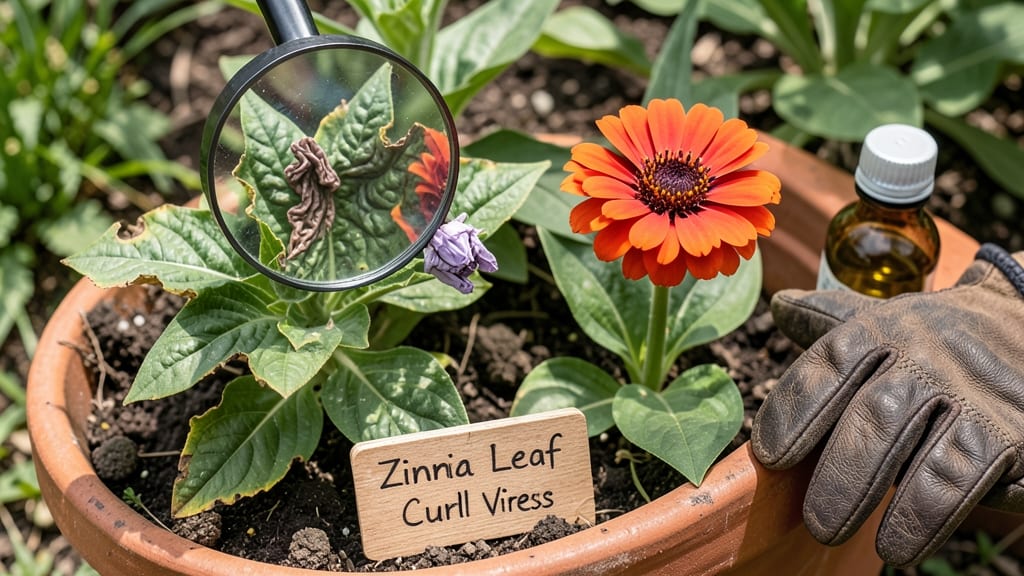
When your zinnias look like they’ve been crumpled by a mischievous child’s fingers, you’re probably dealing with leaf curl virus—a stubborn geminivirus spread by whiteflies that turns vibrant blooms into sad, stunted messes. 🌼 I’ve battled this in my own garden, and the key to saving your plants starts with spotting the symptoms early: curled, yellowed leaves, distorted growth, and whiteflies buzzing like tiny thieves near the stems.
The real villain here is the whitefly—tiny but destructive. These pests carry the virus from plant to plant, and once infected, there’s no cure for your zinnias.
The best offense? Removing infected plants immediately (yes, even the pretty ones) and controlling whiteflies with copper spray or neem oil before they spread further. I’ve found that reflective mulch around plants confuses whiteflies enough to keep them away.
Prevention is your best bet: choose resistant varieties like ‘Benary’s Giant’ or ‘Profusion,’ and keep your garden clean—whiteflies love cluttered, stressed plants. With consistent monitoring and quick action, you can protect your zinnias and keep your flower beds thriving all season long.
If you’ve already got infected plants, don’t panic—this guide walks you through step-by-step cleanup and long-term strategies to keep your garden healthy. The goal isn’t perfection; it’s minimizing damage so you can enjoy zinnias for years to come.
Root Causes Of Leaf Distortion
When your zinnias start showing signs of curling, yellowing, or stunted growth, it’s often a red flag for a viral infection—specifically, one caused by the Zinnia Leaf Curl Virus (ZLCV).
Understanding the why behind this issue helps you take proactive steps to prevent it. Below, we break down the key factors that allow this virus to take hold in your garden.
The primary culprit behind ZLCV isn’t a fungal spore or soil-borne pathogen—it’s insects. Specifically, these tiny but mighty pests act as vectors, carrying the virus from infected plants to healthy ones. The most common offenders include:
- Whiteflies – These sap-sucking insects feed on plant juices and excrete honeydew, creating sticky residue while inadvertently transmitting the virus through their mouthparts.
- Aphids – Soft-bodied and often found in clusters, aphids inject the virus into plants as they feed, spreading it rapidly in dense garden beds.
- Leafhoppers – Known for their jumping ability, these insects can carry the virus over long distances, making them a high-risk threat in windy or open-growing areas.
Why it matters: Unlike bacterial or fungal infections, ZLCV can’t spread through soil or water alone—it needs an insect intermediary. This means controlling these pests is your first line of defense. 🚫🐜
Healthy zinnias with strong immune systems can sometimes resist viral infections—or at least show milder symptoms. However, when plants are stressed, their defenses weaken, making them prime targets for ZLCV. Common stress factors include:
- Nutrient Deficiencies – Lack of key nutrients like nitrogen, phosphorus, or micronutrients (e.g., magnesium) weakens cell walls, making it easier for viruses to invade.
- Overcrowding – Poor airflow and humidity buildup create ideal conditions for both insect vectors and viral spread. Tightly packed zinnias leave no room for natural ventilation.
- Environmental Shocks – Sudden temperature swings, drought, or excessive moisture stress plants, compromising their ability to fend off pathogens.
- Poor Soil Health – Compacted, waterlogged, or nutrient-depleted soil limits root growth, reducing the plant’s overall vigor and resilience.
Actionable tip: Conduct a soil test to check pH and nutrient levels. Amend soil with compost or organic matter to boost plant health before symptoms appear. 🌱💪
While ZLCV primarily spreads via insects, human activity can also play a role—especially if tools or hands carry the virus from infected to healthy plants. Here’s how:
- Pruners & Shears – If you trim an infected zinnia and then use the same tools on another plant, you can transfer viral particles through sap or microscopic wounds.
- Gloves & Hands – Touching infected leaves and then handling healthy plants without sanitizing can spread the virus mechanically.
- Reused Potting Mix – While the virus itself doesn’t survive long in soil, insect vectors (like whiteflies) may hitch a ride in reused potting mix, bringing the virus into new plantings.
Prevention hack: Always disinfect tools with 70% isopropyl alcohol or a bleach solution (1 part bleach to 9 parts water) between uses. Wash hands thoroughly after handling infected plants. 🧼✨
ZLCV thrives in specific environmental conditions that encourage both viral replication and insect activity. Key triggers include:
| Factor | Why It Helps the Virus |
|---|---|
| Warm Temperatures (70–85°F) | Ideal for insect vectors (whiteflies, aphids) to reproduce rapidly, increasing transmission rates. |
| High Humidity | Encourages fungal growth on weakened plants, which can indirectly stress zinnias and make them more susceptible to viral takeover. |
| Dry, Windy Conditions | Leafhoppers and whiteflies spread more easily in windy environments, carrying the virus across larger garden areas. |
Climate workaround: Monitor local weather forecasts and use row covers or fine mesh netting during peak insect seasons (spring to early summer) to block vectors. ⛈️🌬️
By addressing these root causes—insect control, plant health, hygiene, and environmental factors—you can significantly reduce the risk of ZLCV infecting your zinnias. The key is prevention, not just treatment. Stay vigilant, and your garden will stay vibrant! 🌸🔍
How to Treat and Prevent Leaf Issues
Once you’ve identified the signs of leaf curl virus (or similar stress-related deformities) in your zinnias, it’s time to act. The good news? Many fixes are simple, cost-effective, and prevent future outbreaks. Below, we’ll map the most common causes to practical solutions—plus pro tips to keep your zinnias thriving.
Cause: Viral spread (like leaf curl) or severe fungal/bacterial infections can jump to healthy plants via sap, tools, or wind.
Fix:
- 🔪 Snip and toss infected foliage—don’t compost! Place it in a sealed trash bag to prevent spores/viruses from lingering.
- 🧼 Sterilize pruners between cuts with 70% rubbing alcohol or a 10% bleach solution (1 part bleach to 9 parts water).
- 🚫 Quarantine new plants for 2–3 weeks if you suspect exposure.
Pro Tip: 💡 If the entire plant is curled or stunted, pull it up by the roots—some viruses persist in soil for years.
Cause: Overwatering or poor drainage leads to root rot, weakening plants and making them vulnerable to viruses.
Fix:
- 🌧️ Water at the base (not overhead) to avoid wetting leaves—this reduces fungal hitchhikers.
- ⏰ Water deeply but less often—zinnias prefer 1–1.5 inches of water per week (check soil moisture 1 inch down).
- 🚪 Improve drainage by amending soil with perlite or coarse sand if your garden stays soggy.
Pro Tip: 🌡️ Morning watering is best—it gives leaves time to dry, preventing mildew.
Cause: Fungal infections (e.g., powdery mildew) weaken plants, making them more susceptible to viral takeovers.
Fix: Use a copper fungicide spray (like Bordeaux mixture or copper sulfate) every 7–10 days during outbreaks. Here’s how:
- 👨🍳 Mix 1 tbsp copper fungicide per gallon of water (follow product labels).
- 🍃 Spray undersides of leaves (where spores hide) early in the morning or late evening (avoid direct sun).
- 🔄 Repeat after rain—copper washes off quickly.
Pro Tip: ✨ Neem oil (1 tsp per quart of water + a drop of dish soap) is a gentler organic alternative for prevention.
Cause: Aphids, whiteflies, and spider mites transmit viruses while feeding on sap.
Fix:
- 🕷️ Blast pests off with water (a strong spray from the hose works for minor infestations).
- 🌿 Introduce beneficial insects—ladybugs and lacewings devour aphids naturally.
- 🍋 Spray soapy water (1 tsp mild soap per quart of water) for stubborn pests.
Pro Tip: 🎯 Yellow sticky traps catch flying insects before they spread viruses to your zinnias.
Cause: Nutrient deficiencies (especially magnesium, nitrogen, or zinc) stress plants, making them easy targets.
Fix:
- 💪 Use a balanced fertilizer (10-10-10 or 5-5-5) every 4–6 weeks during the growing season.
- 🍃 Add compost or worm castings to the soil for slow-release nutrients.
- 🌱 For zinc deficiency, sprinkle zinc sulfate (1 tsp per gallon of water) as a foliar spray.
Pro Tip: 📊 Test your soil (kits from garden centers are cheap!) to avoid over-fertilizing.
- 🌱 Rotate crops—don’t plant zinnias (or other susceptible plants like tomatoes/peppers) in the same spot yearly.
- 🌿 Choose resistant varieties—some zinnias (like ‘Benary’s Giant’) tolerate stress better.
- 🚫 Avoid overhead irrigation—drip systems or soaker hoses keep leaves dry.
- 🔄 Clean garden tools after each use to prevent cross-contamination.
Pro Tip: 🌟 Interplant zinnias with marigolds—marigolds repel pests naturally!
By tackling water, pests, fungi, and nutrients, you’ll give your zinnias the best shot at staying virus-free and putting on a bold, healthy show all season. 🌸
Frequently asked questions
Can zinnia leaf curl virus affect other plants in my garden?
Yes, this virus can spread to other plants in the aster family, including sunflowers, marigolds, and even tomatoes. Whiteflies and aphids (the main carriers) don’t discriminate—they’ll happily transmit the virus to any susceptible plant within reach. The best defense is isolating infected zinnias immediately and monitoring nearby plants for early symptoms.
How quickly does zinnia leaf curl virus spread in my garden?
Once whiteflies or aphids pick up the virus, it can spread to healthy zinnias in as little as 7-10 days under warm conditions. The virus multiplies rapidly in infected plants, producing thousands of new virus particles that ready-to-transmit insects can pick up almost instantly. Early detection and insect control are critical to stopping the chain reaction.
Will copper spray actually cure zinnia leaf curl virus?
No, copper spray won’t cure an already infected plant—viruses can’t be treated once they’ve taken hold. However, copper fungicide (like Bordeaux mixture) helps prevent secondary infections by controlling fungal diseases that weaken plants, making them more vulnerable to viral takeovers. The real power of copper comes from its ability to reduce whitefly populations, which are the primary virus spreaders.
Are there any zinnia varieties that naturally resist leaf curl virus?
While no variety is completely immune, some zinnias show better tolerance. ‘Profusion’ series and ‘Benary’s Giant’ varieties tend to handle stress better and may show milder symptoms if infected. For maximum protection, choose disease-resistant hybrids labeled specifically for viral resistance and practice good garden hygiene to minimize exposure.
Can I still save my zinnias if they already have leaf curl?
Unfortunately, once infected, there’s no cure for zinnia leaf curl virus. Your best options are:
- Remove the entire plant (including roots) to prevent spread, and
- Quarantine nearby plants for 2-3 weeks to monitor for new symptoms. Focus on protecting your remaining healthy zinnias with insect control and proper cultural practices to prevent future outbreaks.