
Pests and Diseases
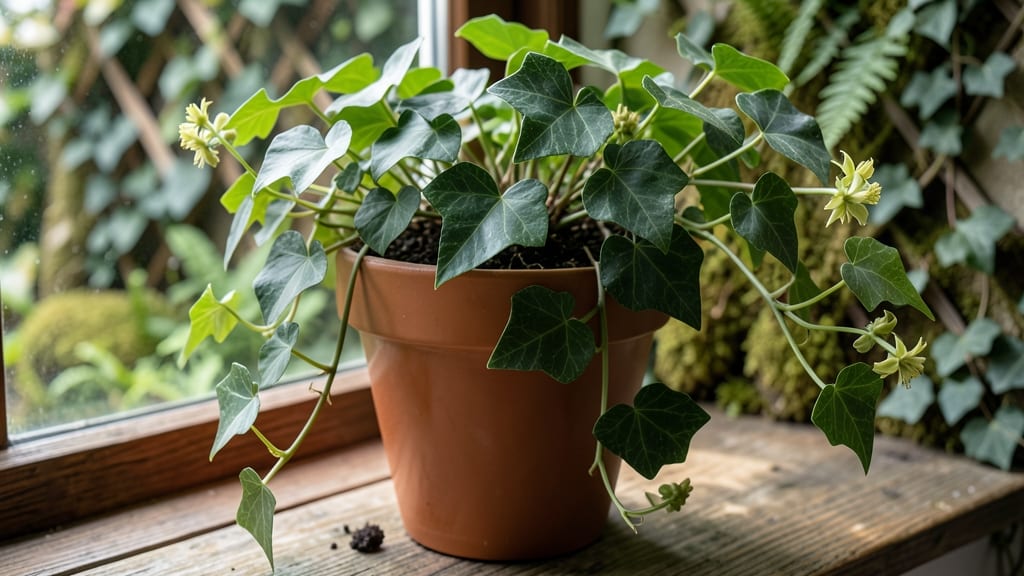
Growing five-leaf ivy means year-round green that thrives indoors or out, but most people overwater and kill it within months. 🌿 I’ve kept mine lush for over five years by following three simple rules: soil that drains fast, light that’s bright but indirect, and pruning that encourages bushier growth instead of leggy vines.
The secret to healthy ivy isn’t complicated—it’s about mimicking its natural habitat. This plant loves to climb trees and spread across forest floors where moisture lingers but doesn’t pool.
In containers, use a mix of potting soil and perlite to keep roots happy, and water only when the top inch feels dry. Too much water is the #1 killer, turning vibrant leaves yellow.
By summer, your ivy will cascade over shelves or walls with glossy, dark-green leaves that stay vibrant even in winter. Prune back leggy stems in early spring to encourage fuller growth, and watch it bounce back with fresh new shoots within weeks.
The best part? It’s nearly indestructible once you get the basics right.
Works equally well trailing from hanging baskets, climbing trellises, or spilling over windowsills. Whether you’re filling a shady corner indoors or reviving a dull outdoor wall, this ivy stays healthy and lush with minimal effort—once you know the tricks.
Root Causes of 5-Leaf Ivy Struggles
If your Hedera helix (the botanical name for 5-leaf ivy) is losing its lush charm, the culprit is often one—or a combination—of environmental stressors. Understanding these triggers helps you correct the issue before it’s too late. Let’s break down the science behind why your ivy might be struggling.
5-leaf ivy thrives in moderate temperatures (60–75°F / 15–24°C). When exposed to extreme cold (<32°F / 0°C) or sudden drafts (like near AC vents or open windows), its leaves can develop brown edges, yellowing, or even drop prematurely.
Why it happens: Cold air restricts water uptake, causing cellular dehydration in the leaves. Drafts create uneven moisture loss, leading to transpiration stress—where the plant loses more water than it can absorb.
Actionable fix:
- 🌡️ Keep ivy away from drafty windows, doors, or vents.
- ❄️ In winter, move potted ivy indoors if temperatures dip below 40°F (4°C).
- 🌿 Use a humidifier near the plant if indoor air is dry (common in heated homes).
While ivy loves moisture, soggy roots are its nemesis. Overwatering suffocates roots by cutting off oxygen, leading to root rot (a fungal infection caused by Phytophthora or Pythium), which turns leaves yellow and mushy.
Why it happens: Ivy roots need aeration to breathe. When soil stays waterlogged, beneficial microbes die, and anaerobic bacteria thrive, releasing toxins that disrupt nutrient absorption.
Actionable fix:
- 💧 Water only when the top 1–2 inches of soil are dry (stick your finger in to test!).
- 🪴 Use a pot with drainage holes and a well-draining mix (e.g., 60% potting soil, 30% perlite, 10% orchid bark).
- 🌱 If repotting, add chunks of bark or charcoal to improve drainage.
5-leaf ivy is adaptable but hates direct sun. Too much sunlight causes leaf scorch (brown, crispy patches), while low light leads to leggy growth and pale, weak leaves.
Why it happens: Excessive light triggers photooxidative stress, where chlorophyll breaks down faster than it can be replaced. Low light, meanwhile, reduces photosynthesis efficiency, starving the plant of energy.
Actionable fix:
- ☀️ Place ivy in bright, indirect light (e.g., near an east-facing window or under sheer curtains).
- 🌿 Rotate potted ivy quarter-turns weekly for even growth.
- 💡 Supplement with a grow light (12–14 hours/day) if natural light is insufficient.
Tiny pests like spider mites, mealybugs, or scale insects suck sap from ivy leaves, causing yellowing, stippling, or sticky residue ("honeydew"). These pests thrive in dry, dusty conditions.
Why it happens: Pests target stressed plants first. Dry air weakens the plant’s defenses, and dust blocks stomata (pores) where the ivy breathes, making it easier for pests to attack.
Actionable fix:
- 🕷️ Inspect leaves weekly under a magnifying glass for webs, cottony clusters, or tiny bugs.
- 💦 Spray leaves with neem oil (1 tsp per quart of water) or insecticidal soap to smother pests.
- 🌿 Wipe leaves with a damp microfiber cloth to remove dust and deter pests.
Yellowing leaves (especially between veins) or slow growth often signal nutrient deficiencies, particularly nitrogen, iron, or magnesium. Over time, poor soil quality or frequent watering without fertilizing depletes essential minerals.
Why it happens:
- Nitrogen deficiency (pale yellow leaves): Nitrogen is crucial for chlorophyll production. Without it, leaves can’t synthesize energy.
- Iron deficiency (yellowing between veins): Iron helps transport energy; its lack causes chlorosis (yellowing).
- Magnesium deficiency (yellow patches with green veins): Magnesium is central to chlorophyll molecules.
Actionable fix:
- 🌿 Feed ivy with a balanced liquid fertilizer (10-10-10 or 20-20-20) every 4–6 weeks in spring/summer.
- 💡 For iron deficiency, use an iron chelate supplement (follow label instructions).
- 🌱 Refresh soil annually with compost or worm castings to replenish nutrients.
If your ivy was recently repotted or is root-bound (roots circling the pot), it may drop leaves or grow sluggishly. Roots need space to absorb water and nutrients efficiently.
Why it happens: Crowded roots compete for resources, leading to oxygen deprivation and nutrient starvation. When repotted improperly (e.g., using small pots or compacted soil), roots struggle to establish.
Actionable fix:
- 🪴 Repot every 2–3 years or when roots emerge from drainage holes.
- 🌿 Choose a pot 2 inches wider than the current one to give roots room.
- ✂️ Gently tease out circling roots before repotting to encourage outward growth.
Revive Your Plant’s Health
If your five-leaf ivy (Hedera helix) is struggling, don’t panic—most issues have simple fixes. Below, we’ve mapped common problems to practical solutions, so you can restore your plant’s lushness fast. And yes, we’ve included prevention tips to keep it thriving long-term!
Yellow leaves are often a cry for help—either from too much water or roots suffocating in soggy soil.
- ✅ Fix: Let the top 1–2 inches of soil dry out before watering again. If the pot feels heavy with water, it’s time to repot.
- ✅ Fix: Ensure your pot has drainage holes. If not, transfer your ivy to a container with holes or add a layer of pebbles at the bottom.
- ✅ Fix: Trim yellowed leaves with clean scissors to redirect energy to healthier growth.
💡 Prevention Tip: Use a well-draining potting mix (like a blend of peat, perlite, and compost) and water only when the soil is slightly dry. A moisture meter can be a game-changer!
Tiny pests can drain your ivy’s vitality, leaving behind sticky residue or webbing. Act fast!
- ✅ Fix: Isolate the plant to prevent spreading. Wipe leaves with a damp cloth dipped in soapy water (1 tsp mild dish soap + 1 quart water).
- ✅ Fix: For stubborn infestations, spray with neem oil (1 tsp neem oil + 1 quart water + a drop of dish soap). Repeat every 5–7 days.
- ✅ Fix: Prune heavily infested stems and dispose of them in a sealed bag.
💡 Prevention Tip: Inspect new plants before bringing them home. Keep your ivy in a well-ventilated spot (but avoid drafts) to deter pests.
If your ivy stretches toward the window or droops, it’s begging for more sunlight—but not direct scorching rays.
- ✅ Fix: Move it to bright, indirect light (east or north-facing windows are ideal). Rotate the pot weekly for even growth.
- ✅ Fix: If natural light is limited, supplement with a grow light (12–14 hours/day). LED bulbs work great!
- ✅ Fix: Trim leggy stems to encourage bushier growth. Prune just above a leaf node.
💡 Prevention Tip: Avoid placing your ivy in dark corners. A simple trick: If you can’t read a book comfortably nearby, the light’s too low for your plant.
Crispy brown edges? Your ivy might be thirsty for humidity—or reacting to tap water.
- ✅ Fix: Boost humidity by placing the pot on a tray of pebbles and water (ensure the pot isn’t sitting in water). A humidifier nearby also helps.
- ✅ Fix: Switch to filtered or rainwater if your tap water has high fluoride/chlorine levels. Let tap water sit out for 24 hours before using.
- ✅ Fix: Trim brown tips to prevent further damage.
💡 Prevention Tip: Mist leaves lightly in the morning (but avoid over-misting, which can cause fungal issues). Grouping plants together also raises humidity naturally.
Mushy stems, black roots, or a foul smell? Root rot is a silent killer—but reversible if caught early.
- ✅ Fix: Repot immediately in fresh, dry soil. Gently rinse roots to remove old soil and trim any black/mushy roots with sterilized scissors.
- ✅ Fix: Let the plant recover in a shady spot for 1–2 weeks to reduce stress. Water sparingly.
- ✅ Fix: Add a fungicide (like copper-based spray) to the soil to prevent reinfection.
💡 Prevention Tip: Never let your ivy sit in saucers of water. Always empty excess water from the tray after watering.
With these fixes, your five-leaf ivy should bounce back in no time. Remember: Consistency is key—adjust care based on your plant’s feedback (like drooping leaves or new growth). Happy gardening! 🌿✨
Frequently asked questions
Can five-leaf ivy grow indoors year-round?
Five-leaf ivy thrives indoors as long as you provide bright, indirect light and maintain moderate humidity. Place it near an east or north-facing window, or use a grow light for 12–14 hours/day if natural light is limited. Avoid cold drafts or direct heat sources like radiators.
How often should I fertilize my ivy?
Feed your five-leaf ivy with a balanced liquid fertilizer (10-10-10 or 20-20-20) every 4–6 weeks during spring and summer. In fall and winter, reduce to every 8–12 weeks or skip entirely. Over-fertilizing can burn roots, so always dilute to half-strength if your plant looks stressed.
Why does my ivy grow so slowly?
Slow growth usually means your ivy needs more light, nutrients, or space. Check if it’s in a low-light area (move it closer to a window) or if it’s root-bound (repot every 2–3 years). Yellow leaves may signal nutrient deficiency—try a light fertilizer application or refresh the soil with compost.
Is five-leaf ivy toxic to pets?
Yes, five-leaf ivy is toxic to cats and dogs if ingested. It contains saponins that can cause vomiting, drooling, or diarrhea. Keep it out of reach of pets, and consult a vet if you suspect your pet has eaten any part of the plant. Opt for pet-safe alternatives like pothos or spider plants if needed.
Can I propagate five-leaf ivy from cuttings?
Yes! Take 4–6 inch cuttings just below a leaf node, remove the lower leaves, and dip the stem in rooting hormone (optional). Place the cutting in moist perlite or water until roots form (2–4 weeks). Once rooted, transplant to soil and keep in bright, indirect light until established.