
Shrubs
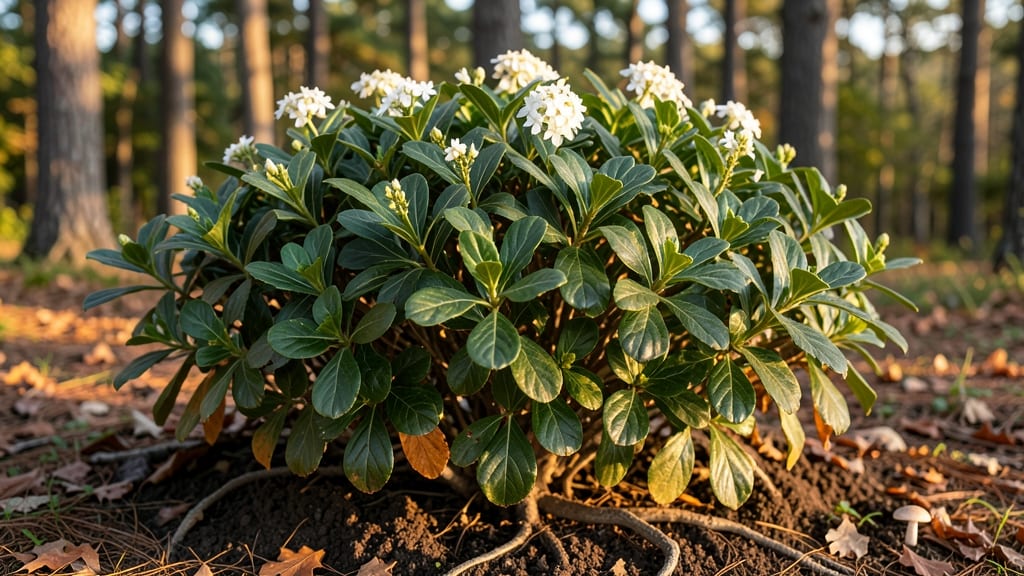
This Alleghany leatherleaf viburnum thrives where others falter—its glossy, evergreen leaves stay stunning even in winter’s chill. 🌿 I planted mine in a shady corner last fall, and it’s already outpacing my other shrubs with its bold, textured foliage that demands attention year-round.
The secret to its success? Moist, well-draining soil and a spot where it gets morning sun or dappled shade—perfect for understory planting. It’s a low-maintenance workhorse that handles cold down to USDA Zone 4, making it ideal for northern gardens where other plants struggle.
Once established, it’s nearly self-sufficient, needing only occasional watering and minimal pruning. The leathery, wrinkled leaves add drama to borders, woodland gardens, or as a striking focal point in shady areas.
For those with limited space, it stays compact (6–10 feet tall), and its fragrant spring blooms add a bonus. Here’s how to keep yours thriving without the fuss.
📚 In This Guide
- What you need
- Instructions
- Tips and common mistakes
- Wrapping up and next steps
What you need
- ● Alleghany Leatherleaf Viburnum plants: 1–3 mature plants (3–5 ft tall at maturity) for optimal visual impact.
- ● Container-grown (preferred for easier transplanting) or bare-root (if planting in early spring).
- ● Planting site: Full sun to partial shade (6+ hours of sunlight for best foliage color).
- ● Well-draining, moist but not soggy soil (amend with compost if needed).
- ● Sheltered from strong winds (delicate leaves can tear).
- ○ Soil amendments (optional but helpful): 2–3 inches of organic mulch (pine straw, shredded bark, or compost).
- ● Balanced slow-release fertilizer (10-10-10 or similar, applied at planting).
- ● Tools: Garden trowel or shovel (for digging holes).
- ● Pruners (sterilized with rubbing alcohol).
- ● Garden hose or watering can (for post-planting hydration).
- ● Gloves (to protect hands from thorns and rough foliage).
- ● Erosion control: Landscape fabric or gravel around the base to prevent soil compaction.
- ● Support: A small stake (if planting in windy areas).
- ● Seasonal care: Winter mulch (extra straw or leaves in Zone 5 or colder).
- ● Fertilizer spikes (for established plants in early spring).
- ● Design tips: Pair with hostas, ferns, or evergreens for a lush, layered look.
- ● Use as a privacy screen or focal point in shaded borders.
How to plant and establish Alleghany leatherleaf viburnum
This cold-hardy shrub thrives with minimal fuss—just follow these steps for vibrant foliage all season.
🌱 Step 1: Choose the Perfect Planting Location
Alleghany leatherleaf viburnum loves partial shade—think 3-6 hours of morning sun with afternoon relief from harsh rays. A spot with dappled sunlight (like under tall trees) highlights its deep green, leathery leaves while preventing scorching. I always test the site first by observing how sunlight moves through the area at different times of day.
This shrub tolerates USDA zones 4-8, making it ideal for northern gardens. Avoid low-lying areas where cold air pools—slope the ground slightly to improve drainage. The key is moist but well-drained soil; soggy roots lead to root rot, while dry conditions cause leaf drop.
🪴 Step 2: Prepare the Soil and Plant
Dig a hole twice as wide as the root ball but only as deep as the container’s base—planting too deep suffocates the roots. Amend the native soil with 2-3 inches of compost mixed into the bottom and sides of the hole. This shrub adapts well but performs best in slightly acidic to neutral soil (pH 5.0-7.0).
Gently remove the plant from its container and loosen any circling roots with your fingers. Place it in the hole so the top of the root ball sits level with the surrounding soil—never bury the stem. Backfill with native soil mixed with compost, pressing lightly to eliminate air pockets. Water deeply to settle everything.
💧 Step 3: Water and Mulch for Establishment
After planting, water slowly and deeply until moisture seeps 6 inches down into the soil. This shrub’s roots spread wide but shallow, so consistent moisture is critical during the first growing season. I check soil moisture by sticking my finger 2 inches deep—if it feels dry, water again.
Spread 3 inches of mulch (wood chips or shredded bark) around the base, keeping it 3 inches away from the stem to prevent rot. Mulch conserves moisture and regulates soil temperature, which is especially helpful in hot summers or cold winters. Replenish mulch annually as it breaks down.
☀️ Step 4: Prune and Maintain for Year-Round Beauty
Prune in late winter or early spring before new growth appears. Remove dead, damaged, or crossing branches first, then shape lightly to encourage an open, airy form. This shrub blooms on new wood, so avoid heavy pruning in fall—you’ll sacrifice next year’s fragrant white flowers.
Fertilize lightly in early spring with a balanced 10-10-10 formula (½ cup per year of growth). Over-fertilizing leads to weak stems and excessive leaf growth at the expense of the plant’s signature glossy foliage. Water deeply after fertilizing to help nutrients reach the roots.
⏰ Step 5: Monitor and Adjust for Long-Term Health
Watch for leaf scorch in hot, dry summers—this means the plant needs more shade or water. If leaves yellow, check for iron deficiency (common in alkaline soils) and amend with chelated iron in early spring. Pests like spider mites rarely bother this tough shrub, but a strong spray of water usually clears them.
By year three, your Alleghany leatherleaf viburnum will establish a strong root system and require minimal care. Enjoy its year-round interest—glossy foliage in summer, red berries in fall, and winter bark texture that adds texture to the landscape. This is a shrub that rewards patience with decades of effortless beauty.
Tips & tricks for perfect Alleghany leatherleaf viburnum planting
Between us, this shrub is one of the most forgiving plants you'll ever work with—but a few small details make all the difference in getting that showstopping foliage. Here's what nobody tells you about making your Alleghany leatherleaf viburnum truly thrive.
Site Selection Secret: That "3-6 hours of morning sun" guideline is your golden rule, but here's the thing: if your yard gets intense afternoon sun, even 3 hours of morning light can be too much. I've seen this happen when planting near south-facing walls—what looked perfect on paper ended up with scorched leaves by midsummer. Test your spot for a full week first by marking how sunlight moves through the area at different times of day.
Root Ball Rescue: When you're loosening those circling roots in Step 2, don't just pull them apart—gently tease them outward with your fingers. I learned this the hard way after planting three viburnums with roots that stayed compacted, which led to stunted growth. The goal is to encourage outward root spread, not just break the circles. Think of it like untangling headphones—patient, methodical work pays off.
Mulch Mastery: That 3-inch mulch layer is non-negotiable, but here's where most people mess up: they pile it right against the stem. Keep it 3 inches away—this prevents rot while still protecting roots. I like to create a little donut shape around the base, wider at the edges where the roots spread. And pro tip: use shredded bark rather than wood chips for finer moisture control in hot climates.
Pruning Precision: When you're shaping in late winter (Step 4), focus on creating an open center rather than just trimming the outer edges. This shrub naturally grows in a rounded form, and an open center lets light and air circulate to the inner branches, which prevents fungal issues. I make my cuts just above a leaf bud or branch junction—this encourages healthy regrowth. And remember: never remove more than 25% of the plant in one year, or you'll sacrifice next season's flowers.
Pro Tips for Alleghany Leatherleaf Viburnum
- Between us, this shrub is one of the most forgiving plants you'll ever work with—but a few small details make all the difference in getting that showstopping foliage.
- Site Selection Secret: That "3-6 hours of morning sun" guideline is your golden rule, but here's the thing: if your yard gets intense afternoon sun, even 3 hours of morning light can be too much.
- Root Ball Rescue: When you're loosening those circling roots in Step 2, don't just pull them apart—gently tease them outward with your fingers.
Frequently asked questions
Got questions about the stunning Allegheny Leatherleaf Viburnum? You’re not alone!
Here are answers to the most common queries—from planting tips to care hacks—so you can grow this cold-hardy beauty with confidence.
How fast does Allegheny Leatherleaf Viburnum grow?
This shrub grows at a moderate pace, typically adding 12–24 inches per year under ideal conditions. With proper care, it can reach 6–10 feet tall and wide over 5–10 years. Patience pays off—its glossy foliage and winter interest make the wait worthwhile!
Is Allegheny Leatherleaf Viburnum truly cold-hardy?
This shrub thrives in USDA Zones 3–8, making it one of the toughest viburnums for northern climates. It handles sub-zero temps and even retains its leathery, evergreen-like leaves in winter—no worries about frost damage here!
How much water does it need once established?
Once rooted, this viburnum is drought-tolerant but appreciates 1 inch of water weekly during dry spells. Mulch around the base (2–3 inches) to retain moisture and protect roots. Overwatering can lead to root rot, so well-draining soil is key!
What pests or diseases should I watch for?
Allegheny Leatherleaf Viburnum is resistant to most pests, but keep an eye out for:
- Spider mites (dry conditions attract them—spray with water or neem oil).
- Scale insects (scrub off with soapy water if spotted early).
- Powdery mildew (improve airflow; avoid overhead watering).
Can I prune it for a tidier look?
Yes! Prune in late winter or early spring to shape the shrub or remove dead wood. Avoid heavy pruning—this viburnum blooms on old wood, so focus on light shaping (no more than 25% of the plant at once). For a natural, layered look, trim just enough to open the center for airflow.
When and why does it flower?
Expect fragrant, white clusters in late spring to early summer (May–June). The blooms attract pollinators and may produce small, red berries (though they’re not edible). Pro tip: Deadhead spent flowers to encourage neater foliage and redirect energy to root growth.
Wrapping up and next steps
The Alleghany leatherleaf viburnum is a standout cold-hardy perennial that brings year-round beauty to your garden with its glossy foliage and resilient nature. Whether you're a seasoned gardener or just starting out, this versatile shrub offers low-maintenance elegance and adaptability to various climates.
Ready to elevate your landscape? Take the next step—research local nurseries, sketch a planting plan, or simply admire its charm in your garden! 🌿 With the right care, this vibrant shrub will thrive and become a focal point for years to come.