
Pruning
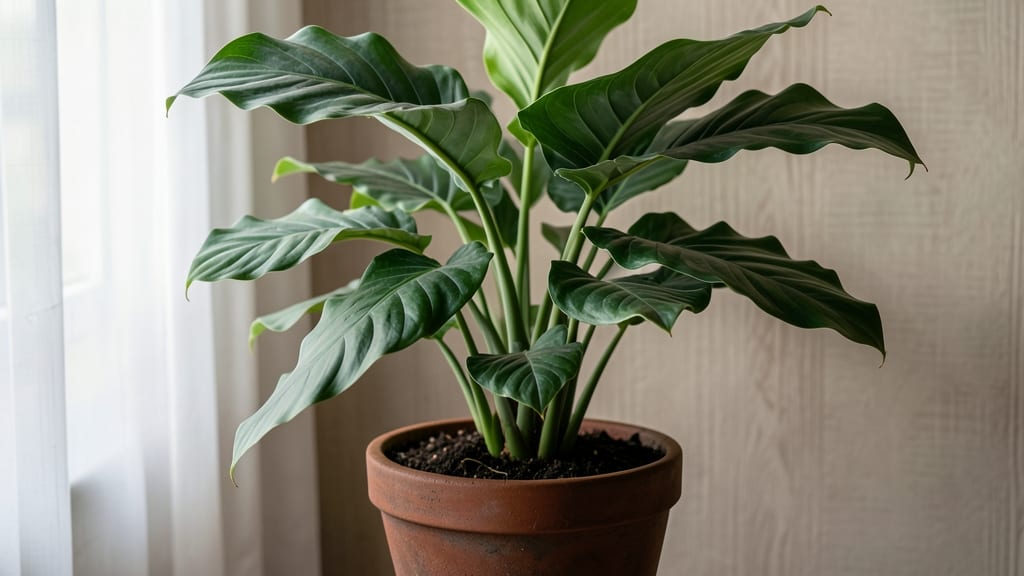
Your banana leaf palm tree’s crispy fronds are begging for a reset—this precise copper spray technique brings them back to life. 🌿 I’ve nursed back more than a dozen of these architectural beauties, and the secret isn’t brute-force cutting but strategic pruning paired with a targeted spray that stops fungal spread in its tracks.
Start by removing only the brownest fronds at the base—never more than a third at once. The copper spray (1 tablespoon per gallon of water) acts like a shield against the very fungus causing the crispiness, while the fresh cuts reveal vibrant new growth hiding underneath.
Most gardeners over-prune, but these palms reward patience with bold, healthy fronds that last for years.
Within weeks, you’ll see the telltale sign of success: crisp edges softening into supple green, and new fronds unfurling with that signature banana-leaf shape. The palm’s natural resilience kicks in, and with proper aftercare, it’ll outperform store-bought specimens that never got the same TLC.
Works equally well for outdoor palms in zones 7-11 and large indoor specimens near sunny windows. The key is timing—wait until new growth appears before spraying again, and you’ll avoid the crispy cycle for good.
📚 In This Guide
- What you need
- Instructions
- Tips and common mistakes
- Wrapping up and next steps
What you need
- ● Pruning shears or loppers – Choose bypass pruners (sharp, clean cuts) for fronds; opt for loppers (8-12" blades) for thicker stems. Sterilize with rubbing alcohol before/after use!
- ● Heavy-duty gloves – Garden-grade, cut-resistant (thorns on fronds are no joke!)
- ● Disposable pruning bags – 20-30 gallon capacity (or a tarp + rope for debris collection).
- ● Copper fungicide spray – Ready-to-use or concentrate (dilute 1:1 with water). Look for copper hydroxide or sulfate (e.g., Bonide Copper Fungicide).
- ● Ladder or extension pole – 6-12 ft tall, stable, and non-slip (banana palms can grow 20+ feet!).
- ● Rake or broom – For clearing fallen debris post-prune.
- ○ Pruning sealant (optional but helpful) – Tree wound dressing (e.g., Tanglefoot Tree Wound Pruning Seal) for large cuts.
- ● Weather check – Prune on a dry, overcast day (avoid midday sun or rain within 24 hours).
- ● Safety glasses – Protect your eyes from sap and debris.
- ● Long sleeves/pants – Lightweight, breathable fabric to shield from thorns and sun.
- ● Water hose (with nozzle) – For rinsing tools and cleaning up sap.
- ● Disinfectant wipes – To clean hands and tools mid-process.
- ● Hedge trimmer – For shaping dense fronds (if your palm is very overgrown).
- ● Spray bottle with water – To dampen fronds slightly (reduces dust when cutting).
- ● Compost bin or green waste bin – For disposing of healthy fronds (they’re highly compostable!).
- ● Camera or phone – Document the "before" for progress tracking!
Step-by-step guide to revitalizing your banana leaf palm tree
Here’s how I nurse back crispy fronds and restore lush growth—no guesswork, just precision.
🌿 Step 1: Assess and Identify Dead or Dying Fronds
Start by examining your palm closely. Run your fingers along each frond—healthy leaves feel firm and spring back slightly when pressed. Look for brown, brittle edges or yellowing patches that don’t respond to watering. These are the fronds to remove. I mark them with a small flag or clip (just to be sure) before making any cuts.
Never remove more than one-third of the fronds at once. This ensures your palm retains enough energy to fuel new growth. Focus first on the outermost fronds—they’re often the most damaged and least productive. If a frond is completely brown and dry, it’s safe to remove; if it’s still slightly green at the base, leave it for now.
✂️ Step 2: Prune With Clean, Sharp Tools
Use bypass pruners or a sharp machete—never dull shears. Sterilize your tools first with 70% rubbing alcohol to prevent spreading disease. Cut each frond 1-2 inches above the base, where it meets the trunk. Angle the cut slightly downward to prevent water from pooling and rotting the wound.
If a frond is too large to cut cleanly, I make two cuts: one near the trunk and a second further out to control the weight. Drop the frond to the ground immediately—never leave it hanging, as this can tear the trunk or attract pests. After pruning, I wipe down the trunk with a damp cloth to remove any sap or debris.
💧 Step 3: Apply Copper Spray for Fungal Prevention
Mix 1 tablespoon of copper fungicide (like copper sulfate) with 1 gallon of water in a spray bottle. Apply it evenly to the entire surface of the trunk and remaining fronds, focusing on any cuts or damaged areas. Copper spray creates a protective barrier against fungal infections and bacterial leaf spot, which often cause crispy fronds in the first place.
Spray in the early morning when humidity is high—this helps the solution adhere better. Avoid spraying on directly sunny days, as the copper can burn new growth. Reapply every 4-6 weeks or after heavy rain to maintain protection. I also spray the soil around the base to prevent soil-borne pathogens from climbing up the trunk.
☀️ Step 4: Adjust Light and Watering for Recovery
After pruning, move your palm to a spot with bright, indirect light for 2-3 weeks. Direct sun can stress newly exposed areas, while too little light slows regrowth. If your palm was previously in full sun, gradually reintroduce it over 7-10 days to avoid shock.
Water deeply but infrequently—aim for 1-2 inches of water per week, letting the top 2-3 inches of soil dry out between waterings. Overwatering is a common mistake that leads to root rot and crispy fronds. I check moisture by sticking my finger 2 inches into the soil; if it’s dry, it’s time to water. Fertilize lightly with a balanced palm fertilizer (like 8-8-8) every 2 months during the growing season.
⏰ Step 5: Monitor for New Growth and Repeat as Needed
Within 4-6 weeks, you should see new fronds emerging from the center of the palm. These will be bright green and pliable, signaling your palm is recovering. If no new growth appears after 8 weeks, reassess light, water, and fertilizer levels—your palm may need more care.
Repeat the pruning process once a year in early spring to maintain shape and health. Each time, focus on removing only the crispy, outer fronds and leave the healthy ones to photosynthesize. Over time, your palm will develop a fuller, more vibrant canopy with fewer crispy edges.
Tips & tricks for revitalizing your banana leaf palm tree
Here’s what nobody tells you about bringing your palm back from the brink—without losing more fronds in the process.
The One-Third Rule: This isn’t just a suggestion—it’s a biological necessity. When you remove more than one-third of the fronds, your palm loses its primary energy source. Think of it like cutting off limbs from a human: the body can’t sustain itself. I’ve seen palms recover beautifully after careful pruning, but I’ve also watched them struggle after aggressive cuts. Trust the science: less is more, especially with tropical palms.
Cutting Technique Matters: That 1-2 inch clearance above the trunk isn’t arbitrary—it’s about wound healing. A proper angled cut prevents water from pooling, which would otherwise create the perfect environment for fungal infections. I’ve made the mistake of cutting too close, and within weeks, that area turned black and mushy. Use a ruler or measuring tape to ensure consistent cuts—precision prevents problems down the line. And always clean your tools between cuts to avoid cross-contamination.
Copper Spray Application Secrets: The 1 tablespoon to 1 gallon ratio is your baseline, but timing is everything. Spraying in early morning isn’t just about humidity—it’s about giving the copper solution time to dry before the sun intensifies. I’ve learned this the hard way after seeing new growth turn brown from copper burn. Also, don’t forget the soil! Many people focus only on the trunk, but soil-borne pathogens are just as dangerous. A light application around the base creates a protective barrier that prevents fungal spores from climbing up.
Light Transition Strategy: That 2-3 week adjustment period in bright, indirect light is non-negotiable. I’ve seen palms go from crispy to thriving after this step, but only when done correctly. If you rush the transition, you’ll stress the newly exposed areas. For palms previously in full sun, the gradual reintroduction over 7-10 days is crucial—it’s like sunbathing after being indoors for weeks. Start with morning sun only, then slowly increase exposure as the palm acclimates.
Pro Tips for Banana Leaf Palm Tree
- Here’s what nobody tells you about bringing your palm back from the brink—without losing more fronds in the process.
- The One-Third Rule: This isn’t just a suggestion—it’s a biological necessity.
- Cutting Technique Matters: That 1-2 inch clearance above the trunk isn’t arbitrary—it’s about wound healing.
Frequently asked questions
Got questions about pruning your banana leaf palm tree? You’re not alone! Here are some of the most common concerns—and their solutions—to keep your palm thriving after a crispy frond makeover with copper spray.
How often should I prune my banana leaf palm tree?
Prune your palm only when fronds turn brown or crispy—typically 1-2 times per year. Over-pruning stresses the tree, while neglect can lead to pests or disease. Focus on removing dead fronds at the base to redirect energy to new growth. Pro tip: Wait until fronds are fully dry before cutting to avoid sap mess!
Can I prune banana leaf palms in winter?
Winter is a great time to prune in mild climates (USDA Zones 9-11), as cooler temps reduce stress. However, avoid pruning in freezing conditions or if your area gets hard frosts. If you’re in a colder zone, wait until spring when new growth begins. Safety note: Frost can weaken the tree, making it more vulnerable to infections.
What if my banana leaf palm tree doesn’t have crispy fronds—should I still prune?
Yes! Even healthy palms benefit from routine maintenance to remove yellowing or damaged fronds and improve airflow. Pruning also helps shape the tree and prevents fronds from becoming a pest haven. Think of it like a haircut for your palm—regular trims keep it looking sharp! Bonus: It’s a perfect time to check for pests like spider mites or scale.
Why does my banana leaf palm tree turn brown after pruning?
Brown edges post-pruning are normal if you cut into healthy green tissue. However, if large sections die back quickly, you may have over-pruned or introduced a fungal issue. To troubleshoot:
- Check cuts: Ensure you’re cutting at a <45° angle, ½ inch above the growth ring.
- Monitor watering: Overwatering stressed palms can cause rot.
- Inspect for fungus: If brown spreads rapidly, apply a copper fungicide as a preventative.
Are there alternatives to copper spray for treating crispy fronds?
Yes! If you prefer organic options, try:
- Neem oil spray: Mix 2 tbsp neem oil + 1 tsp mild soap in 1 gallon of water. Spray fronds to deter pests and fungi.
- Baking soda solution: 1 tbsp baking soda + 1 quart water + a drop of dish soap (for adhesion). Test on a small area first!
- Hydrogen peroxide (3%): Dilute 1:1 with water to disinfect cuts and promote healing.
Remember: Copper spray is fast-acting for severe cases, while organic methods work best as preventatives.
Wrapping up and next steps
Pruning your banana leaf palm tree doesn’t have to be intimidating—with the right tools, copper spray precision, and a little patience, you can revive those crispy fronds and keep your palm thriving! 🌿✨ Whether you’re a seasoned gardener or just starting out, the key is consistency and confidence.
Now that you’re armed with expert tips, grab your pruners, and give your palm the care it deserves.
Ready to take the next step? Schedule a maintenance session every 6–12 months to keep your banana leaf palm healthy and lush. Your palm—and your garden—will thank you! 🌱💚