
Companion Plants
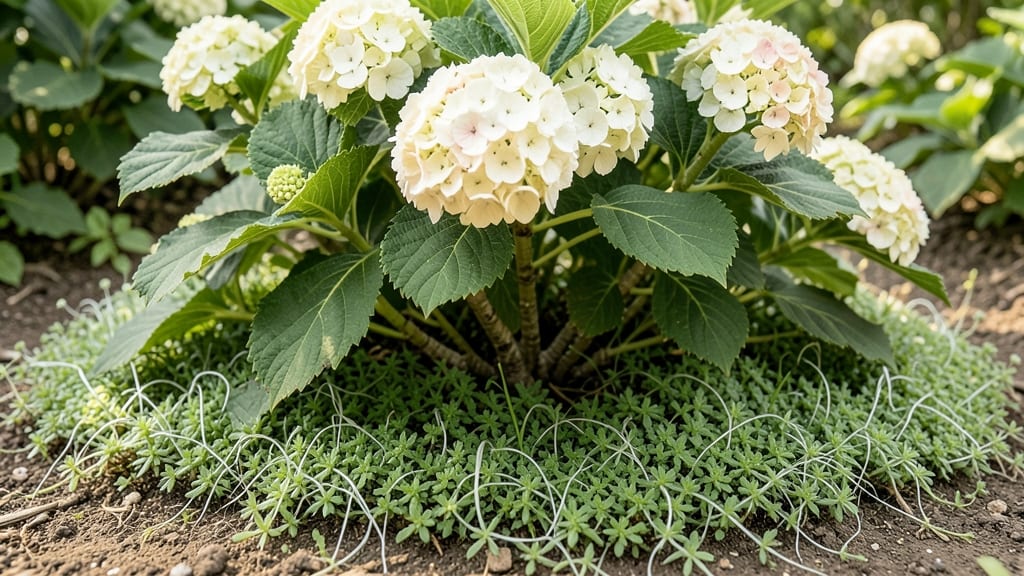
Oakleaf hydrangeas thrive with the right companions—plants that enhance their beauty, improve soil health, and naturally repel pests. These 10 strategic pairings will transform your garden into a lush, low-maintenance sanctuary.
Astilbe for Vibrant Color Contrast
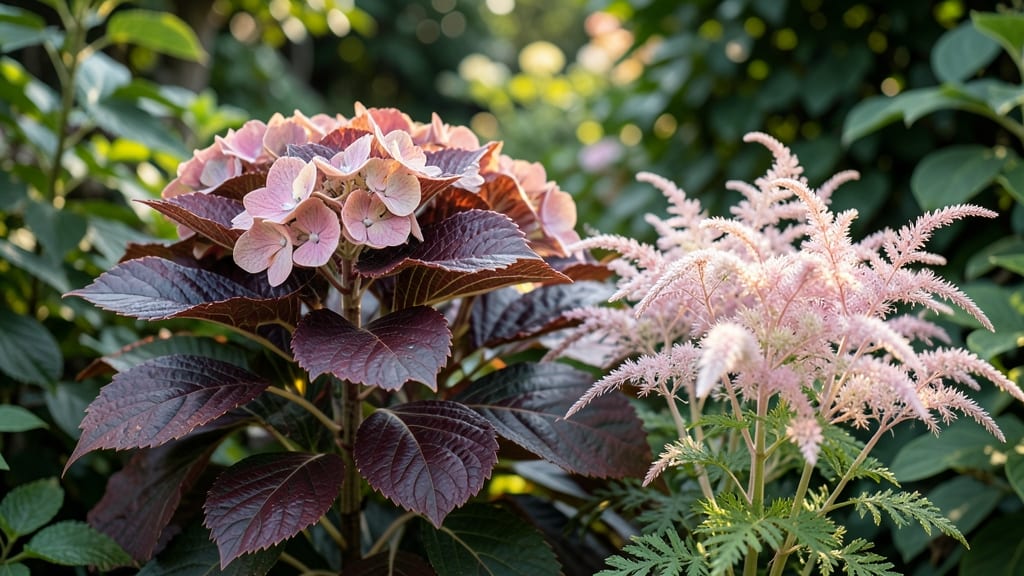
Want to make your oakleaf hydrangea stand out even more? Astilbe adds delicate, feathery plumes in soft pinks and whites that create stunning color contrast while harmonizing with hydrangea’s bold foliage.
This pollinator magnet thrives in partial shade—just like hydrangeas—and its airy blooms attract bees and butterflies without stealing nutrients. Plant astilbe 12-18 inches away to let both plants shine, and enjoy season-long interest from early summer to fall. The contrast of hydrangea’s deep leaves against astilbe’s wispy flowers creates a dreamy, romantic garden vibe.
Perfect for gardeners who love low-maintenance texture and want to boost their garden’s pollinator appeal—without extra work. 🌷
Russian Sage for Pollinator Support
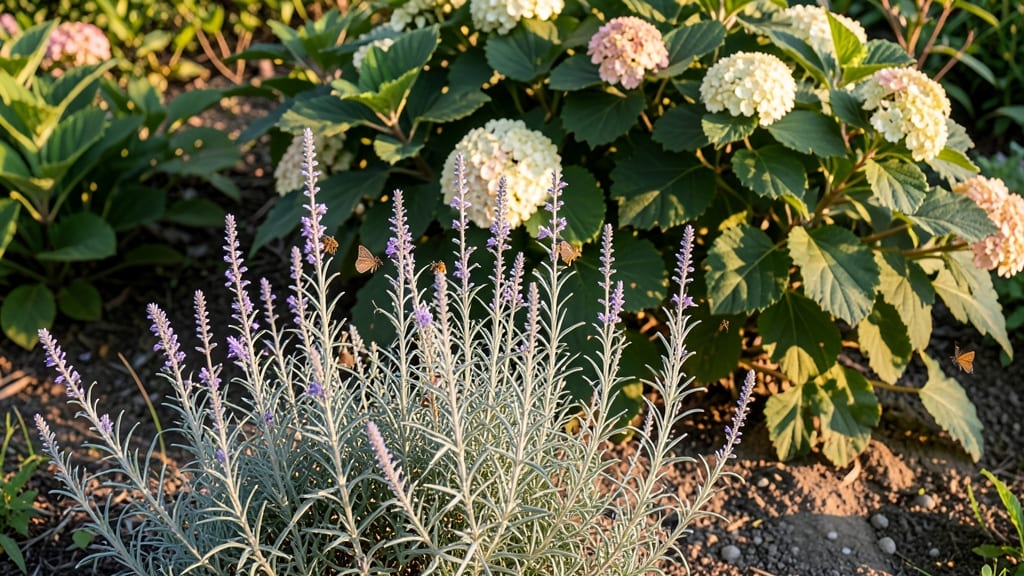
Want a low-maintenance way to boost your oakleaf hydrangea’s health while keeping pests at bay? Russian sage is your secret weapon—a drought-tolerant powerhouse that deters aphids while luring bees and butterflies to your garden.
This hardy perennial thrives in full sun and well-drained soil, making it perfect for dry climates or forgetful gardeners. Its silvery foliage and lavender-blue spikes create a stunning backdrop for hydrangea blooms, while its natural pest-repelling properties reduce the need for chemical interventions. Plant it 18-24 inches away from your hydrangea to avoid root competition but maximize its benefits.
Ideal for pollinator-friendly gardens, Russian sage turns your hydrangea bed into a thriving ecosystem. Plus, it blooms from mid-summer to fall, extending your garden’s seasonal interest. 🌟
Heuchera for Year-Round Interest
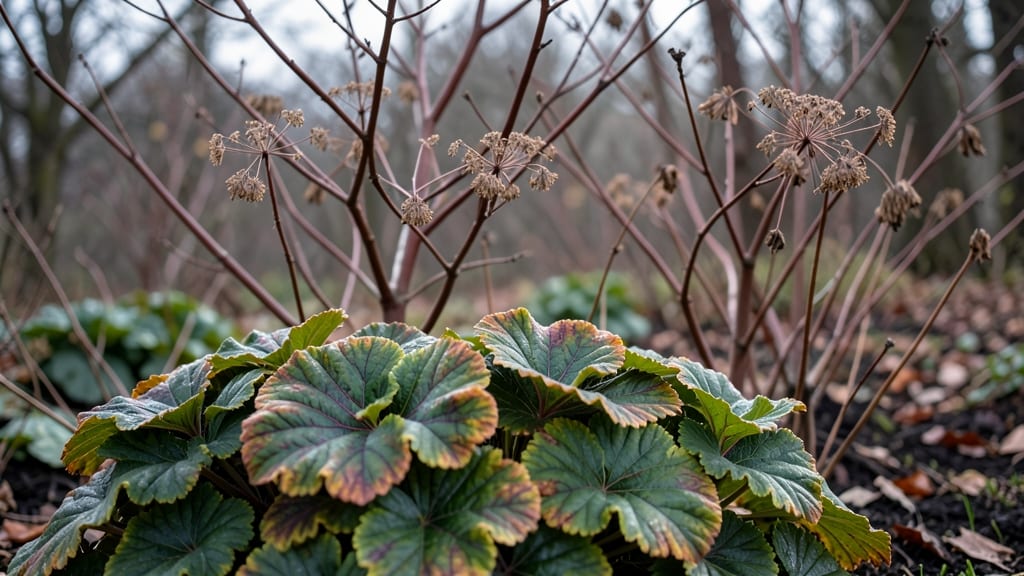
When your oakleaf hydrangea fades in winter, heuchera steps in to steal the show with its bold, evergreen foliage. This cold-hardy perennial thrives in shady spots where hydrangeas often struggle, offering year-round color that contrasts beautifully with your hydrangea's dormant branches.
Heuchera's deep purple, chartreuse, or silver leaves improve soil moisture retention through their fibrous roots, which helps hydrangeas stay hydrated during dry spells. Plant varieties like 'Palace Purple' or 'Lime Rickey' just 12-18 inches away from your hydrangea for a stunning layered effect that lasts through all seasons.
Shade-loving gardeners and those with acidic soil will especially appreciate heuchera's low-maintenance nature—it requires minimal watering once established and deters slugs, making it the perfect understory companion. 💚
Lavender for Pest Deterrence
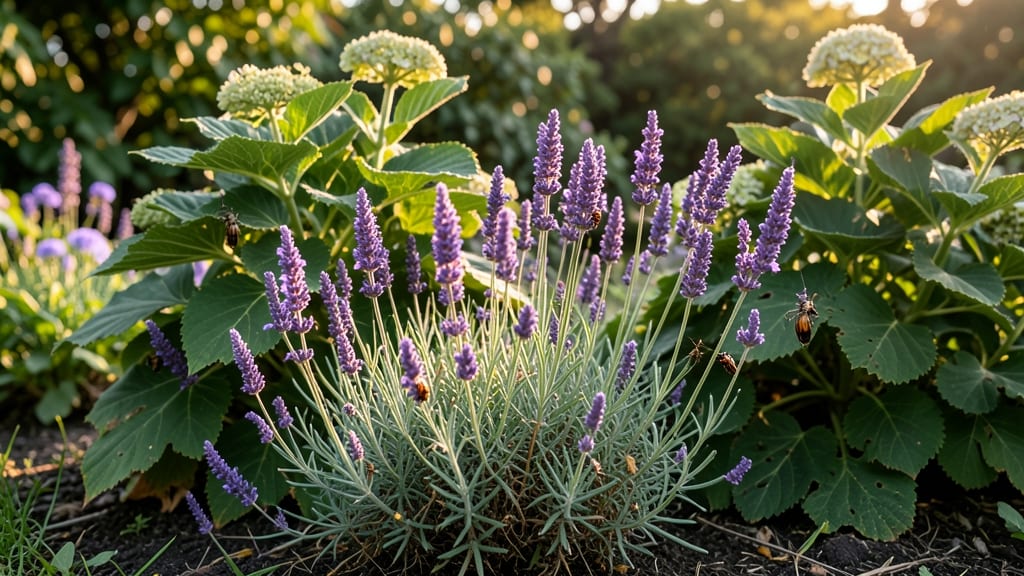
Tired of dealing with Japanese beetles munching on your hydrangea leaves? Lavender isn’t just a pretty purple shrub—it’s a natural pest deterrent that keeps both insects and deer at bay while filling your garden with a soothing fragrance.
This drought-tolerant perennial thrives in full sun and releases compounds that repel pests like Japanese beetles and even deer. Plus, its calming scent can improve the health of nearby plants by reducing stress levels. Plant it within 3-4 feet of your oakleaf hydrangea for maximum protection without competing for space.
Perfect for gardeners who want a low-maintenance, fragrant solution that doubles as a decorative border. 🌱
Ferns for Moisture Retention
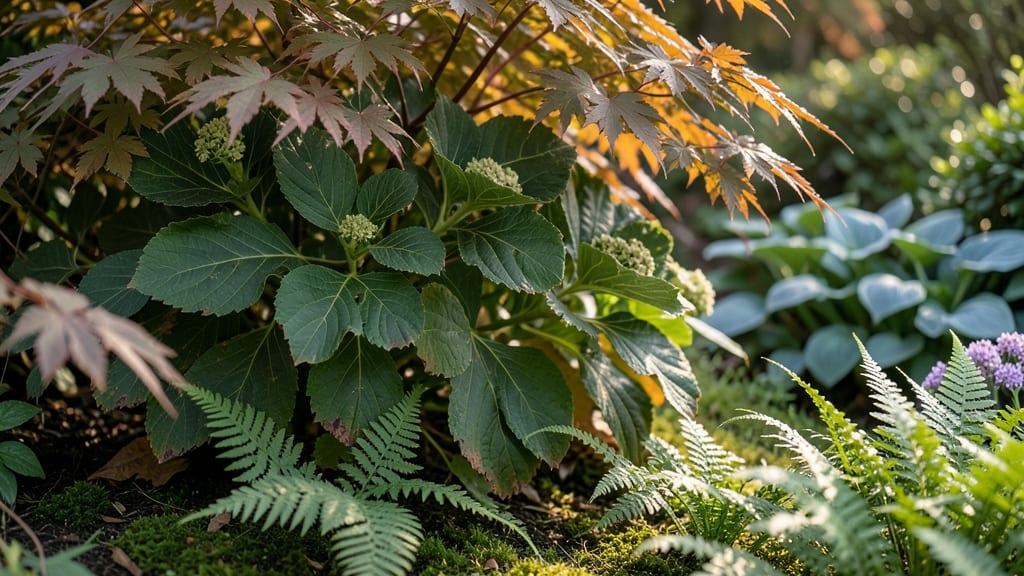
Want to create a serene, moisture-rich haven for your oakleaf hydrangeas? Ferns are the secret weapon for softening bold foliage while keeping roots hydrated—naturally. Their delicate fronds create a humid microclimate that hydrangeas adore, especially in partial shade.
Opt for evergreen ferns like maidenhair or holly ferns for year-round texture, or autumn ferns for seasonal contrast. Plant them within 12-18 inches of hydrangea roots to maximize moisture retention without competing for nutrients. Their lacy foliage also diffuses light, preventing leaf scorch in hotter microclimates.
This pairing is ideal for gardeners in humid climates or shaded borders, offering both practical benefits and a dreamy, woodland aesthetic. Your hydrangeas will reward you with bigger blooms and healthier foliage. 🌿
Dwarf Lilac for Fragrance Pairing
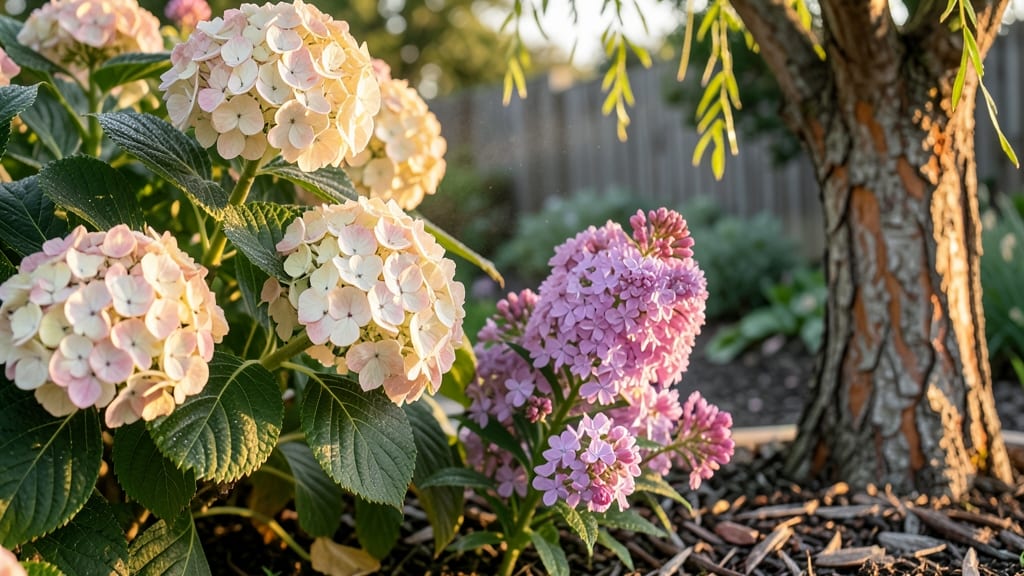
Transform your garden into a fragrant springtime retreat by pairing your oakleaf hydrangea with dwarf lilac. This compact shrub blooms simultaneously with hydrangeas, filling the air with a sweet, intoxicating scent that elevates your outdoor experience—perfect for morning coffee or evening strolls.
Dwarf lilacs thrive in the same partial shade to full sun conditions as hydrangeas, requiring minimal extra care. Their 3-4 foot height makes them ideal for borders or foundation plantings, while their early spring blooms attract pollinators like bees and butterflies that also benefit your hydrangeas. Prune after flowering to maintain shape and encourage next year's blooms.
This fragrant duo is especially valuable for gardeners who love sensory gardens or cottage-style landscapes. The shared care requirements make them a low-maintenance powerhouse for spring fragrance and pollinator support. 🌷
Catmint for Long-Blooming Season
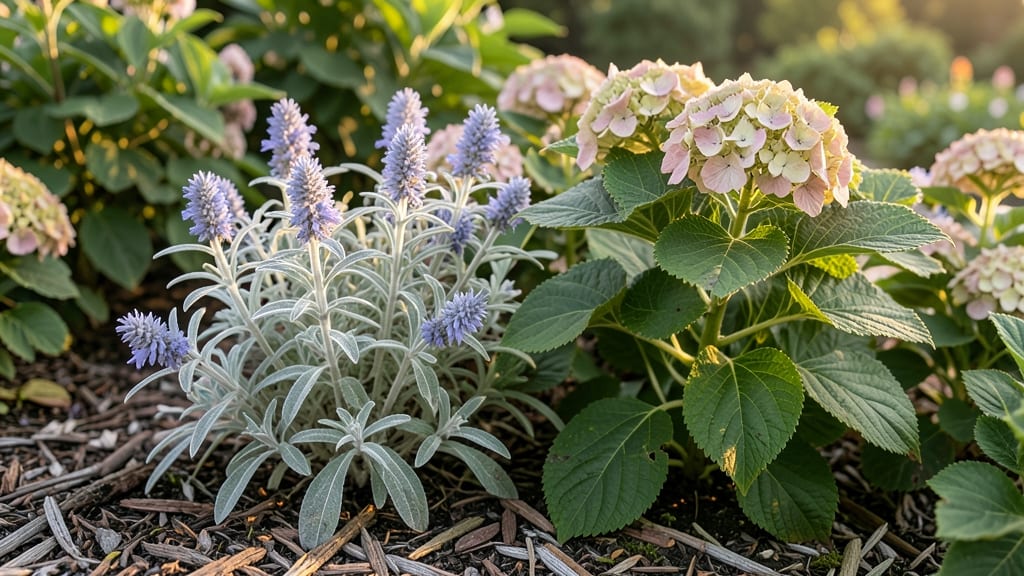
Want a low-maintenance plant that keeps your garden blooming longer while repelling pests? Catmint is the perfect companion for your oakleaf hydrangea, offering silver foliage and lavender flowers that thrive in even the toughest conditions.
This drought-tolerant perennial deters aphids, spider mites, and even deer with its strong scent, while its long bloom season (from early summer to fall) extends your garden’s color palette. Unlike finicky plants, catmint flourishes in poor soil and full sun, making it ideal for sunny borders where hydrangeas need extra support.
Urban gardeners and busy plant parents will love how catmint requires minimal care while boosting your hydrangea’s resilience. Plant it 12-18 inches away to avoid competition but create a stunning, pest-resistant duo. 🌻
Hostas for Shade Tolerance
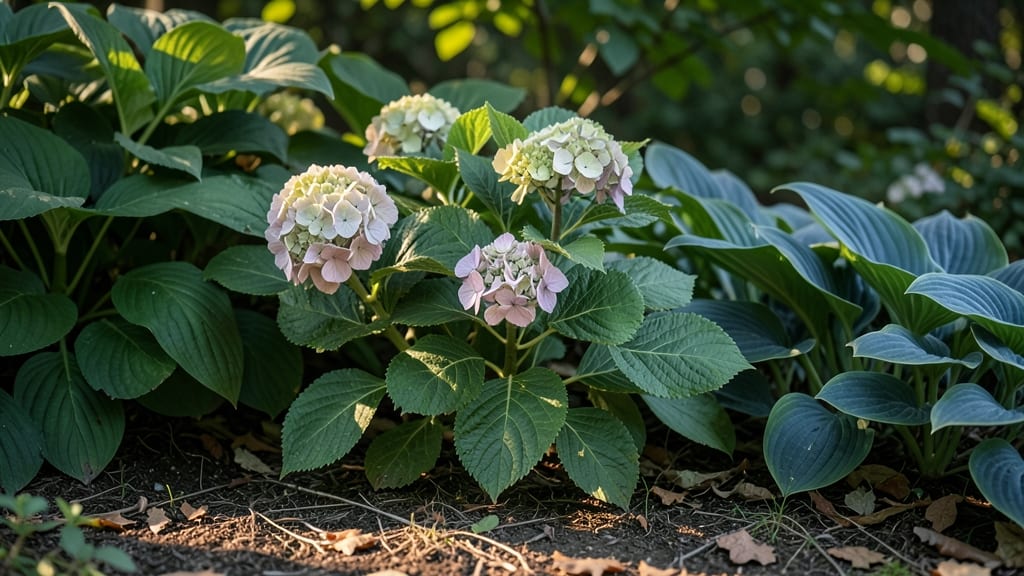
If your garden gets little direct sunlight—especially on the north-facing side—hostas are the unsung heroes that make oakleaf hydrangeas shine. Their broad, lush leaves create a natural canopy, protecting hydrangea roots from harsh afternoon sun while keeping the soil cool and moist.
Hostas thrive in partial to full shade and spread quickly to form a dense ground cover that smothers weeds before they sprout. Choose varieties like 'Blue Angel' or 'Halcyon' for deep green foliage that contrasts beautifully with hydrangea blooms. Plant them in clusters around the base of your hydrangea, keeping stems 12-18 inches apart to allow airflow and prevent fungal issues.
This pairing is ideal for gardeners with shady spots who want to reduce mulching and weeding—hostas do the work for you while adding texture and depth. 🌿
Goldenrod for Late-Season Color
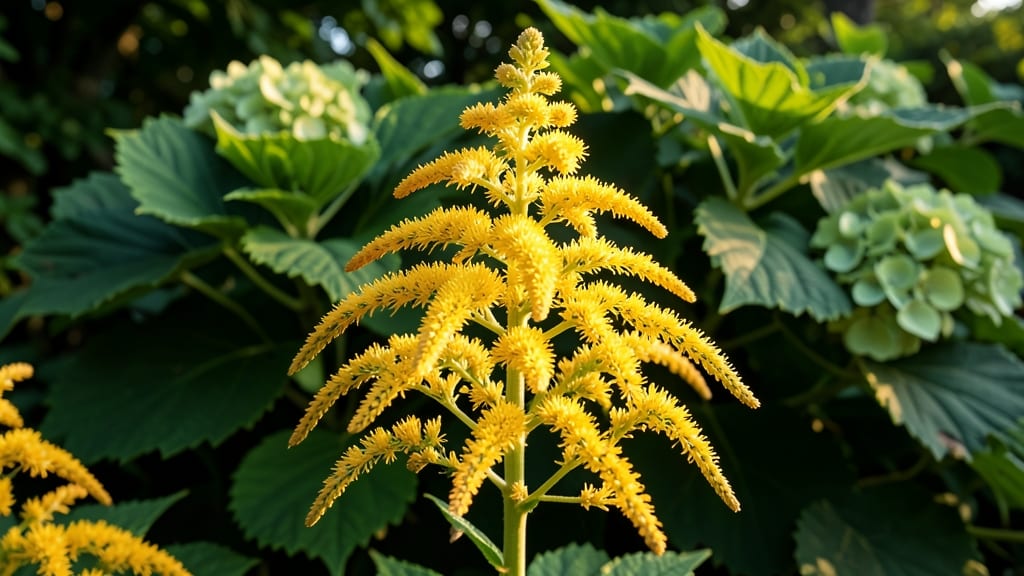
When your hydrangea blooms start fading in late summer, goldenrod steps in to steal the show with its cheerful golden-yellow plumes. This hardy perennial thrives in the same conditions as oakleaf hydrangeas—full sun to partial shade—and blooms from August through October, keeping your garden vibrant as temperatures drop.
Beyond its striking color, goldenrod attracts beneficial wasps that prey on garden pests like aphids and caterpillars, giving your hydrangea an extra layer of protection. Plant it 12-18 inches away from your hydrangea to avoid competition while creating a dynamic contrast between the deep greens of hydrangea foliage and goldenrod’s bright blooms.
Perfect for gardeners who love low-maintenance, high-impact plants, goldenrod also supports pollinators when other flowers fade. 🌻
Sweet Woodruff for Ground Cover

Tuck this fragrant ground cover under your oakleaf hydrangea for a sensory upgrade that doubles as a weed-blocking blanket. Sweet woodruff spreads gently to create a lush, mint-scented carpet that thrives in the same acidic, well-draining soil hydrangeas love—no extra soil prep required.
Its low-growing habit (just 4-6 inches tall) suppresses weeds while retaining moisture in the root zone, perfect for hydrangeas that prefer consistent dampness. The delicate white flowers in spring add subtle contrast to hydrangea blooms, and it spreads quickly but stays contained—ideal for filling gaps between hydrangea stems without competing for sunlight.
This is the ultimate low-maintenance companion for gardeners who want fragrance, weed control, and soil benefits without the upkeep of taller plants. 🌿