
Light Requirements
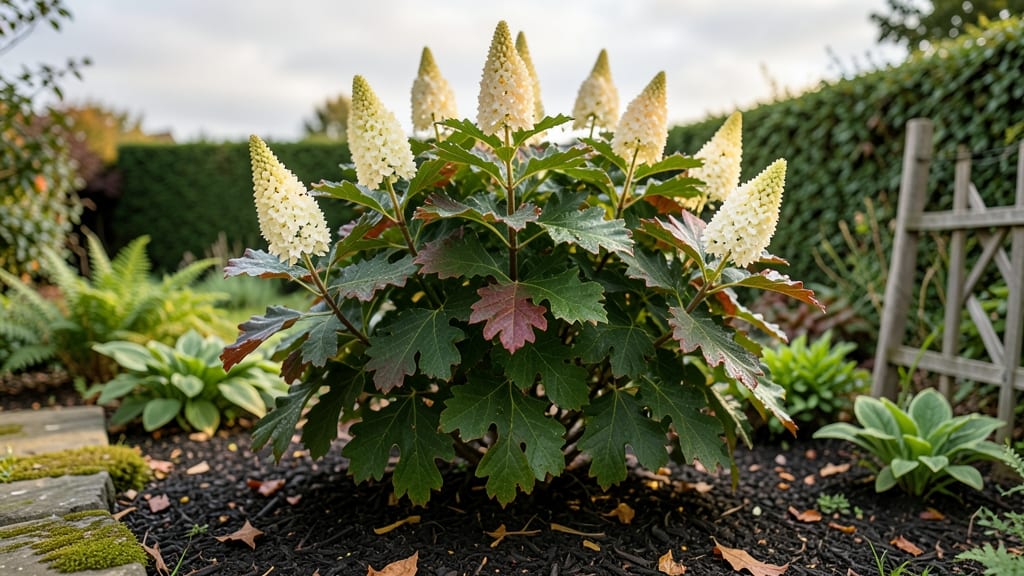
Growing an oak leaf hydrangea 🌿 in full shade is totally doable — you just need to tweak a few key care habits to keep those stunning oak-shaped leaves rich and vibrant all year.
Picture this: You’ve planted your hydrangea in that shady corner of the garden, only to watch its growth slow or leaves lose their luster. The truth? This shrub loves shade—but it’s picky about how you set it up.
Without the right soil, watering, and pruning, even the hardiest oak leaf hydrangea will struggle to thrive.
Here’s the good news: With the right approach, you can turn that dim corner into a lush, year-round green showstopper. We’ll cover soil prep, watering secrets, and pruning tricks that keep foliage thick and blooms abundant—even in deep shade.
Ready to transform your shady spot into a hydrangea haven? Let’s dive into the shade-specific care that makes all the difference.
 Best Window Placement
How to choose the perfect location for oak leaf hydrangea in full shade
Oak leaf hydrangeas (Hydrangea quercifolia) are prized for their stunning foliage and ability to thrive in full shade, but not all shady spots are created equal.
The key to vibrant growth lies in understanding the difference between true shade and partial shade, plus selecting the right microclimate. These shrubs can tolerate as little as 2-4 hours of filtered light daily, but their performance hinges on proper placement and environmental conditions.
Before selecting a spot, observe your garden's shade patterns throughout the day. True full shade means no direct sunlight—even during peak hours—while partial shade allows for brief morning or afternoon sun.
Oak leaf hydrangeas prefer the former but will struggle in areas with hot afternoon sun or reflective glare, which can scorch their delicate leaves. Test potential locations by placing a white board in the spot for a week to track sunlight exposure.
🌿 Shade Comparison for Oak Leaf Hydrangea
| Shade Type | Light Exposure | Ideal Location | Foliage Result |
|---|---|---|---|
| True Full Shade | 0% direct sun | North-facing walls, dense tree canopies, or deep woodland gardens | Deep green, lush foliage year-round |
| Partial Shade (Morning) | 2-4 hours morning sun | East-facing borders or dappled sunlight under deciduous trees | Healthy growth but may need extra moisture |
| Partial Shade (Afternoon) | 2-4 hours afternoon sun | West-facing spots with afternoon shade by 3 PM | Risk of leaf scorch; avoid hot exposure |
| Deep Partial Shade | <10% direct sun | Under evergreen trees or shaded patios | Slow growth; may need supplemental light |
Microclimates play a crucial role in oak leaf hydrangea success. For instance, spots near stone walls or brick structures can reflect heat, creating unintended sun exposure. Similarly, areas under evergreen trees may seem ideal but often suffer from competitive root systems that steal moisture.
Instead, opt for locations with well-draining soil and indirect light, such as beneath deciduous trees that provide seasonal shade.
Avoid planting near large shrubs that cast dense, dry shade, as this can lead to root competition and nutrient depletion. Oak leaf hydrangeas thrive when their roots have access to consistent moisture and organic matter, so prioritize spots with natural mulch layers or nearby water sources.
If your garden lacks ideal shade, consider creating a shade cloth structure with 30-50% coverage to mimic filtered light conditions.
Soil type is equally critical. Oak leaf hydrangeas prefer acidic, well-draining soil with a pH between 5.0 and 6.0. Test your soil before planting—amend heavy clay with compost or peat moss, and avoid sandy soils that dry out too quickly.
A simple test is to dig a hole, fill it with water, and observe how quickly it drains. If water pools for more than 30 minutes, the area may be too compacted for healthy root development.
Another common mistake is ignoring airflow and humidity. Oak leaf hydrangeas benefit from moderate humidity levels, so locations with stagnant air or poor circulation can increase fungal risks like powdery mildew.
Choose spots where gentle breezes can pass through but avoid wind tunnels that dry out foliage too quickly. A protected corner near a north-facing fence often strikes the perfect balance.
Seasonal changes also affect shade dynamics. In winter, deciduous trees lose their leaves, exposing your hydrangea to more sunlight than expected. If your plant shows signs of sunburn or leaf scorch in late winter, it may be receiving too much light.
To mitigate this, consider adding a lightweight shade cloth during peak winter sun hours or pruning nearby branches to filter light more gently.
Finally, observe your hydrangea's response to its location over time. Healthy foliage should remain deep green with minimal yellowing, while stunted growth or small leaves indicate insufficient light or nutrients. If you notice brown leaf edges, it may be a sign of overly dry conditions or root stress.
Adjust care accordingly—perhaps by increasing mulch or watering frequency—to restore balance.
With the right location, your oak leaf hydrangea will reward you with year-round interest, from its oak-shaped leaves in spring to its vibrant fall colors. Take the time to evaluate your garden’s shade patterns, soil quality, and microclimates—your hydrangea’s future lushness depends on it! 🌿
Soil and watering secrets for deep green foliage in low-light conditions
Your oak leaf hydrangea can achieve that coveted deep green foliage in full shade—but only with the right soil and watering strategy. These shade-loving shrubs thrive when their roots stay consistently moist without becoming waterlogged.
The key lies in amending heavy clay and creating a moisture-retentive layer that mimics their natural woodland habitat.
Start by testing your soil's pH level. Oak leaf hydrangeas prefer a slightly acidic soil between 5.0 and 6.0. If your soil tests higher, work in sulfur or peat moss to lower the pH gradually.
Avoid quick fixes like vinegar, which can harm beneficial soil microbes and disrupt nutrient uptake.
Here's the game-changer: a 3-part soil amendment mix that works wonders in full shade. Combine 50% compost, 30% peat moss, and 20% perlite to create a fluffy, moisture-holding medium. This blend improves drainage while retaining water—critical for preventing root rot in shade conditions.
🌱 Shade-Smart Soil & Watering
- 🌿 Soil pH: 5.0-6.0 (test & amend with peat moss)
- 💧 Watering: Deep soak 2x weekly (morning only)
- 🪴 Mulch: 3" organic mulch (hold moisture + block weeds)
- ❄️ Winter: Reduce watering to monthly (prevents rot)
Watering in full shade requires a different approach than sun-loving plants. Instead of frequent light waterings, aim for deep, infrequent watering—about 2-3 times per week during growing season. Use your finger to check soil moisture: if the top 2 inches feel dry, it's time to water.
Always water at soil level, not overhead, to prevent fungal diseases like powdery mildew.
Mulching is your secret weapon for moisture retention and temperature regulation. Apply a 3-inch layer of organic mulch (like shredded bark or pine needles) around your hydrangea, keeping it 2 inches away from the stem.
This mulch blanket slows evaporation, keeps roots cool in summer, and protects against winter freeze-thaw cycles.
Seasonal adjustments are crucial. In spring and summer, maintain consistent moisture, but in fall and winter, reduce watering to once monthly unless your region experiences prolonged dry spells.
Overwatering in winter can lead to root suffocation and fungal issues. Always check for soggy soil before watering during cooler months.
With these soil and watering secrets, your oak leaf hydrangea will reward you with vibrant green foliage and stunning seasonal blooms—even in the shadiest corners of your garden. The key is patience and consistency; shade plants grow slower but develop stronger root systems when cared for properly.