
Pests and Diseases
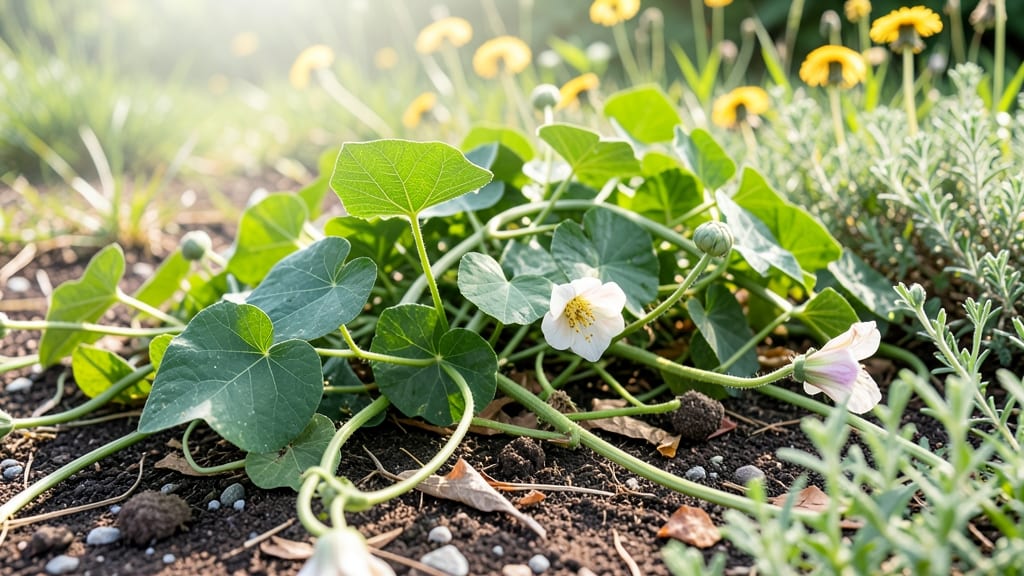
That heart-shaped field bindweed leaf is the first sign your garden’s losing the battle. 🌱 I’ve spent years wrestling with this invasive vine, and the key to stopping fungal spots isn’t brute force—it’s a targeted organic spray protocol that smothers both the weed and its fungal hitchhikers before they take over.
The real danger isn’t just the bindweed itself—it’s how fungal spots hitch rides on its leaves, spreading to your prized plants. Most gardeners grab the strongest herbicide first, but that kills the soil food web too.
My 3-step organic spray uses household ingredients to break the cycle without sacrificing your garden’s health.
By next week, you’ll see the bindweed’s new growth yellowing and dropping, while your vegetables stay strong. The spray works on mature plants and seedlings alike, and you can mix it in 10 minutes with supplies you likely already have.
Works in all seasons but is most effective when applied before fungal spots appear—so if you’ve seen those telltale leaf markings, now’s the time to act. Let’s get that garden back under control.
📚 In This Guide
- What you need
- Instructions
- Tips and common mistakes
- Wrapping up and next steps
What you need
- ● Fresh or dried field bindweed leaves: 1 cup (packed) per gallon of water (or 2 tbsp dried leaves per quart). Harvest from chemically untreated areas for safety.
- ● Distilled or rainwater: 1 gallon (or 4 quarts for a smaller batch). Avoid tap water with chlorine.
- ● Large stainless steel or glass pot: Minimum 1-gallon capacity (avoid aluminum to prevent chemical reactions).
- ● Cheesecloth or fine mesh strainer: For filtering out plant debris.
- ● Spray bottle or garden sprayer: 1–2 gallon capacity with a fine mist nozzle (e.g., Chapin 62500).
- ● Wooden or plastic spoon: For stirring (avoid metal to prevent oxidation).
- ○ Glass jars (optional for storage): Sterilized 8–16 oz jars with airtight lids for leftover spray.
- ● Mortar and pestle: For crushing dried leaves into a fine powder (boosts potency).
- ● pH test strips: To check water acidity (ideal range: 5.5–6.5 for fungal efficacy).
- ○ Essential oil blend (optional): 5–10 drops of neem, clove, or tea tree oil per gallon (enhances antifungal properties).
- ● Labeling tape: To mark spray bottles with dates and ingredients.
Step-by-step instructions for creating field bindweed leaf spray
Here's how to harness bindweed's natural antifungal properties into an effective organic treatment.
🌿 Step 1: Harvest and Prepare Fresh Bindweed Leaves
Collect mature bindweed leaves when the plant is actively growing—spring to early summer yields the highest antifungal compounds. Choose healthy leaves free of visible damage or disease. I recommend harvesting on a dry morning after dew has evaporated to preserve leaf integrity.
Rinse the leaves thoroughly under cool water to remove dirt and debris, then pat them dry with a clean cloth. This step is critical because residual soil can introduce unwanted pathogens to your spray mixture. Place the leaves in a clean container and store them in the refrigerator until ready to use within 48 hours.
💧 Step 2: Create the Leaf Infusion
Fill a large pot with 4 quarts of water and bring it to a gentle boil. Remove from heat and immediately add 1 pound of fresh bindweed leaves. Cover the pot with a clean cloth and let it steep for 24 hours at room temperature. This extended infusion period ensures maximum extraction of antifungal compounds.
After 24 hours, strain the liquid through a fine-mesh sieve or cheesecloth into a clean container. Press the leaves gently to extract every last drop of liquid. You should have about 3-4 quarts of infused liquid—this is your base spray. The infusion will have a faint green hue and a fresh, slightly earthy aroma.
✂️ Step 3: Mix with Water and Optional Additives
In a large bucket, combine the 3-4 quarts of bindweed infusion with 1 gallon of clean water. Stir thoroughly to ensure even distribution of the active compounds. For enhanced effectiveness, add 1 tablespoon of neem oil and 1 teaspoon of liquid seaweed extract to the mixture. These additives boost the spray's antifungal and plant-strengthening properties.
Neem oil acts as a natural fungicide, while seaweed extract provides additional nutrients to support plant recovery. Mix well, then transfer the solution to a spray bottle or pump sprayer for easy application. The final mixture should have a light green tint and a mild, herbal scent.
☀️ Step 4: Apply to Affected Plants
Apply the spray to plants in the early morning or late afternoon to minimize leaf burn from potential UV exposure. Focus on the undersides of leaves, as many fungal spores thrive there. Lightly mist the foliage until the leaves are evenly damp but not dripping. Avoid spraying during hot, sunny days to prevent phytotoxicity.
Reapply the spray every 7-10 days or after significant rainfall, as the antifungal compounds break down over time. You'll notice a reduction in fungal spot severity within 1-2 weeks of consistent application. For severe infestations, repeat the treatment 2-3 times for optimal results.
🌱 Step 5: Monitor and Maintain Plant Health
After applying the spray, continue to monitor your plants for signs of fungal spot improvement. Healthy plants will show new growth with fewer spots, and existing spots may darken and fall off. Remove any heavily infected leaves immediately to prevent further spread of the fungus.
To maintain long-term plant health, ensure proper spacing between plants for good air circulation, and avoid overhead watering. Mulch around the base of plants with organic material to retain moisture and suppress fungal spores. With consistent use, this organic spray can effectively manage fungal spot while promoting overall plant vitality.
Tips & tricks for perfect field bindweed leaf spray
Transforming bindweed into an effective antifungal spray takes patience and precision—here's how to maximize its potential without common pitfalls.
Harvest Timing Matters: The 48-hour window for fresh leaves is non-negotiable. Bindweed's antifungal compounds degrade rapidly after harvest, so prioritize using leaves within this period. I've found that leaves harvested just after morning dew evaporation contain the highest concentration of active compounds—this is when the plant's natural defenses are most potent. If you must store leaves longer, wrap them in damp paper towels and refrigerate, but don't exceed 48 hours.
Infusion Technique: That 24-hour steep isn't just about time—it's about creating the perfect environment. Use a dark-colored pot or cover with a cloth to block light, which can degrade the active compounds. I like to place the pot in a warm spot (around 70°F) to accelerate infusion without boiling. After straining, press the leaves gently but thoroughly—you should extract every last drop of that faintly green liquid, as even small amounts contain valuable antifungal properties.
Application Strategy: Early morning or late afternoon applications are critical for two reasons: first, they prevent UV damage to leaves, and second, the cooler temperatures allow the spray to absorb more effectively. For severe infestations, I recommend applying the spray in the evening and lightly misting again in the morning—this creates a protective film that lasts through the day. Always focus on the undersides of leaves where fungal spores typically thrive, and avoid spraying when dew is present.
Pro Tips for Field Bindweed Leaf
- Transforming bindweed into an effective antifungal spray takes patience and precision—here's how to maximize its potential without common pitfalls.
- Harvest Timing Matters: The 48-hour window for fresh leaves is non-negotiable.
- Infusion Technique: That 24-hour steep isn't just about time—it's about creating the perfect environment.
Frequently asked questions
about using field bindweed leaf for organic fungal spot eradication—plus troubleshooting tips to keep your garden thriving!Can I use fresh or dried field bindweed leaves for spray?
Both work, but fresh leaves are more potent! Crushed fresh leaves release active compounds immediately, while dried leaves require steeping (1:4 leaf-to-water ratio, simmered for 30+ minutes). For consistency, store dried leaves in airtight containers away from light to preserve efficacy.
How often should I reapply the spray?
Apply every 7–10 days during active fungal outbreaks (visible spots) or as a preventative bi-weekly during humid seasons. Pro tip: Morning applications work best—leaves dry before evening dew sets in, maximizing antifungal properties.
What if my plants still get spots after treatment?
Persistent spots may signal severe infection or environmental stress. Try these fixes:
- Boost circulation: Prune dense foliage to improve airflow.
- Adjust watering: Water at soil level (not overhead) to avoid spreading spores.
- Combine treatments: Add 1 tsp baking soda per gallon of spray for extra alkalinity.
Are there non-leaf alternatives for fungal spot control?
Try these organic swaps:
Option
How to Use
Neem oil
1 tbsp + 1 tsp mild soap per quart of water; spray weekly.
Garlic spray
Blend 2 cloves garlic + 1 quart water; strain and apply.
Milk spray (3% fat)
1:9 milk-to-water ratio; reapply every 5 days.
Will this spray harm beneficial insects like bees?
Field bindweed spray is generally safe for bees when applied after sunset or on cloudy days. Avoid spraying flowers directly—focus on foliage and soil. For extra caution, opt for neem oil (bee-friendly) during peak pollination periods.
Wrapping up and next steps
Eradicating fungal spot with field bindweed leaf spray is a natural, eco-friendly solution that can restore your garden’s health without harsh chemicals. By following this organic protocol—harvesting, preparing, and applying the spray correctly—you’re not just combating fungal infections; you’re fostering a sustainable approach to plant care. 🌱
Ready to take action? Start by monitoring your plants weekly and reapplying the spray as needed. With patience and consistency, your garden will thrive—one leaf at a time!