
Pests
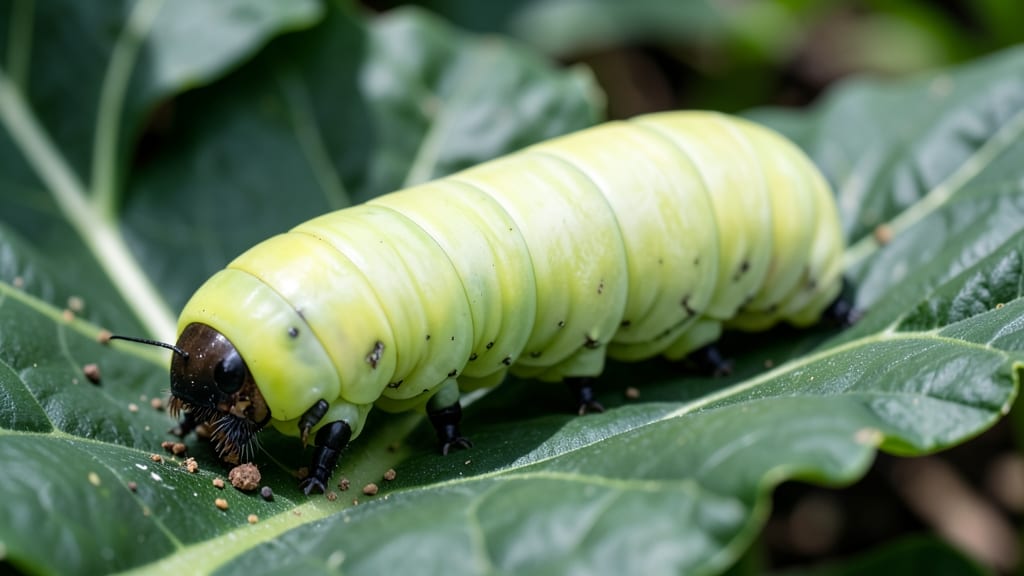
Those voracious green leaf-eating caterpillars can turn your lush foliage into skeleton leaves overnight. 🌿 I’ve battled them for years—first with my prized tomato plants, then my basil—and learned the organic tricks that actually work without harming your garden’s ecosystem.
The key is acting fast: spot them early (they hide on undersides of leaves), remove them by hand, and lure their predators into your garden. I’ve had the best luck with neem oil sprays and bt (bacillus thuringiensis), which target caterpillars without touching bees or butterflies.
By combining manual removal with natural deterrents, you’ll protect your plants while keeping your garden thriving. The secret is consistency—check leaves daily during outbreaks, and you’ll stop them before they strip your garden bare. Works for any garden, from vegetables to flowers, and keeps your space safe for pollinators too.
Here’s how to make it foolproof!
📚 In This Guide
- What you need
- Instructions
- Tips and common mistakes
- Wrapping up and next steps
What you need
- ● Organic bait plants: 3–5 healthy Swiss chard or collard greens plants (young, tender leaves work best).
- ● Sticky traps: 2–3 yellow or blue sticky cards (8"x10" size) to monitor caterpillar activity.
- ● Neem oil: 1 bottle (16 oz) of pure, cold-pressed neem oil (look for 100% organic).
- ● Spray bottle: 1 16 oz plastic spray bottle with a fine mist nozzle.
- ● Garden twine or string: 1 small roll (for securing traps or marking bait areas).
- ● Gloves: 1 pair of nitrile or cotton garden gloves (to protect your hands).
- ● Handheld vacuum: For gentle removal of caterpillars without harming them (eco-friendly disposal!).
- ● BT (Bacillus thuringiensis) powder: 1 small container (for targeted organic pest control).
- ● Pruning shears: To trim heavily infested leaves and encourage new growth.
- ● Notebook & pen: To track caterpillar activity over time (science-y fun!).
Step-by-step organic strategy for controlling green leaf-eating caterpillars
Here's how I tackle these pests without harming your garden's ecosystem or your plants.
🌿 Step 1: Identify the Culprit and Assess Damage
First, examine the caterpillars closely. Green leaf-eating caterpillars often belong to the cabbage looper, hornworm, or cutworm families. Look for distinct features like white stripes (cabbage looper) or a "horn" (hornworm). This helps determine the most effective organic control method. Check the undersides of leaves for eggs—small, round, and often laid in clusters.
Assess the damage by estimating how much foliage has been consumed. If less than 25% of the plant is affected, you can often tolerate their presence. But if they're stripping leaves entirely or attacking young plants, it's time to act. Focus on plants with the heaviest infestations first—they'll need the most immediate attention.
🪴 Step 2: Apply Organic Lures and Traps
Set up pheromone traps for moths (the caterpillars' adult stage) to reduce future populations. These traps mimic female moth pheromones and lure males away from laying eggs. Place them 10-15 feet apart around the garden perimeter, especially near susceptible plants like brassicas, tomatoes, or peppers. Check traps weekly and replace lures as needed.
For existing caterpillars, use BT (Bacillus thuringiensis) spray—a natural bacteria that targets caterpillars specifically. Mix it according to package instructions and apply it evenly to the undersides of leaves where caterpillars hide. Reapply after rain or every 5-7 days for best results. This method is safe for humans, pets, and beneficial insects like bees and ladybugs.
✂️ Step 3: Manual Removal and Physical Barriers
Handpick caterpillars during early morning or evening when they're less active. Drop them into a bucket of soapy water to kill them instantly. Focus on larger caterpillars first—they cause the most damage. For smaller ones, use a fine-mesh net or gloved hand to gently sweep them off leaves into a container. This method works best for isolated infestations.
Protect young plants by wrapping their stems with cardboard collars or plastic collars buried 1-2 inches deep in the soil. This prevents cutworms from climbing up and devouring the leaves. For larger plants, use row covers made of lightweight fabric. Secure them tightly around the edges and remove them during pollination if growing fruits or vegetables.
💧 Step 4: Encourage Natural Predators and Beneficial Plants
Plant companion plants like dill, fennel, or marigolds near susceptible crops to attract natural predators such as parasitic wasps, lacewings, and birds. These predators feed on caterpillars and help keep their populations in check. Avoid using broad-spectrum pesticides, as they can harm these beneficial insects.
Introduce beneficial nematodes (like Steinernema carpocapsae) to the soil. These microscopic organisms seek out and kill caterpillar larvae without affecting plants or other wildlife. Apply them in the early evening when temperatures are between 50-85°F, and water the soil thoroughly afterward. Reapply every 4-6 weeks during the growing season for continuous protection.
☀️ Step 5: Monitor and Maintain Long-Term Prevention
Inspect plants 2-3 times weekly, focusing on the undersides of leaves and new growth where caterpillars lay eggs. Early detection makes control easier. Keep your garden healthy by providing balanced fertilization and proper watering—stressed plants attract more pests. Remove any heavily damaged leaves to reduce hiding spots and encourage new growth.
Rotate crops annually to disrupt caterpillar life cycles. Avoid planting the same family of plants (like brassicas or solanaceae) in the same spot year after year. This breaks their habitat and reduces their ability to establish large populations. At the end of the season, clean up garden debris and remove plant residues to eliminate overwintering sites for eggs and pupae.
Tips & tricks for organic caterpillar control
Here’s how to supercharge your strategy for keeping green leaf-eating caterpillars at bay without harming your garden’s balance.
Precision Timing for Pheromone Traps: Place pheromone traps in the early morning when moths are least active, and check them weekly to replace lures. I’ve found that positioning traps 10-15 feet apart around the garden’s perimeter—especially near brassicas, tomatoes, or peppers—maximizes their effectiveness. The key is consistency: moths are drawn to these traps for up to 3-4 weeks after lure replacement, so don’t skip this step.
BT Spray Application Secrets: When using Bacillus thuringiensis (BT) spray, focus on the undersides of leaves where caterpillars hide. Reapply every 5-7 days or after rain, but here’s the trick: apply it in the late afternoon when temperatures drop slightly below 85°F. This reduces the risk of the spray breaking down too quickly in the heat, giving it more time to work. Always mix it fresh—stored BT loses potency.
Manual Removal Efficiency: For handpicking, I’ve learned that early morning or evening is ideal because caterpillars are sluggish and easier to spot. Use a fine-mesh net or gloved hand to avoid crushing them—this prevents toxic sap from spraying onto your plants. Drop them into a bucket of soapy water immediately to ensure they don’t wriggle away. Pro tip: Focus on larger caterpillars first, as they cause the most damage and are easier to remove.
Beneficial Nematode Optimization: When introducing beneficial nematodes, apply them in the early evening when soil temperatures are between 50-85°F. Water the soil thoroughly afterward to help them move through the soil and find their targets. Reapply every 4-6 weeks during the growing season, but avoid using them if the soil is too dry or too wet—they need moisture to survive and thrive.
Pro Tips for Green Leaf Eating Caterpillar
- Here’s how to supercharge your strategy for keeping green leaf-eating caterpillars at bay without harming your garden’s balance.
- Precision Timing for Pheromone Traps: Place pheromone traps in the early morning when moths are least active, and check them weekly to replace lures.
- BT Spray Application Secrets: When using Bacillus thuringiensis (BT) spray, focus on the undersides of leaves where caterpillars hide.
Frequently asked questions
Got questions about the green leaf-eating caterpillar? You’re not alone!
Here are some of the most common concerns—and straightforward answers—to help you tackle this pesky pest with confidence.
What plants do green leaf-eating caterpillars prefer?
These caterpillars (often looper or tent caterpillar species) love feasting on young, tender leaves. Favorites include tomatoes, peppers, beans, grapes, and fruit trees. If you spot ragged edges or skeletonized foliage, check these plants first!
When do they appear, and how long does it take to see damage?
Green leaf-eating caterpillars typically hatch in spring or early summer, depending on your climate. Damage can appear within 3–7 days of hatching, starting as tiny holes that grow into large, irregular gaps. Act fast—larvae grow rapidly!
What’s the safest way to remove them without chemicals?
Try these organic methods:
- Handpick them into soapy water (especially at dawn when they’re sluggish).
- Use neem oil or Bt (Bacillus thuringiensis) spray for targeted control.
- Introduce parasitic wasps or birds by adding a shallow water dish for them.
Why do I keep seeing them even after treatment?
Caterpillars often return because:
- You missed eggs or hidden larvae (check undersides of leaves!).
- New generations hatch every 2–4 weeks—consistent monitoring is key.
- Adjacent plants or wild areas may be re-infesting your garden.
Will they eat my entire crop if I don’t act?
While they won’t wipe out a mature plant, heavy infestations can stunt growth, reduce yields, and attract secondary pests. Young plants or seedlings are most vulnerable. Early intervention (like row covers or beneficial insects) saves your harvest!
Wrapping up and next steps
Discovering a green leaf-eating caterpillar in your garden can feel overwhelming, but with the right organic strategies, you can reclaim your plants without harsh chemicals. 🌿 From neem oil sprays to inviting natural predators, these methods are effective, eco-friendly, and safe for your family and pets.
Take action today—start by inspecting your plants regularly and implementing one of the control strategies you’ve learned. Your garden will thank you! 🌱
📌 Ready to get started?
- Check your plants weekly for early signs of caterpillars.
- Try a DIY neem oil solution or introduce beneficial insects.
- Share your success with fellow gardeners—every small step makes a difference!