
Trees
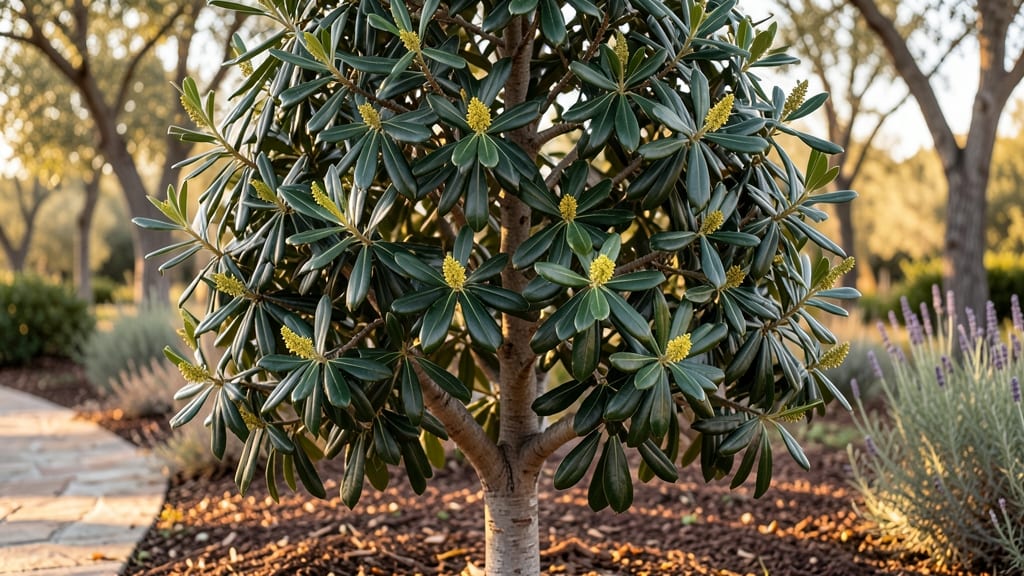
Bay leaf trees grow to between 15 and 40 feet tall 🌿, depending on the variety and growing conditions, so planning your garden space is key before planting.
If you're dreaming of fresh bay leaves straight from your garden, knowing how tall bay leaf trees grow is the first step to planning your perfect culinary herb space—whether you have a sprawling backyard or just a sunny windowsill.
Standard varieties can reach heights similar to a telephone pole, while dwarf types like 'Tiny Tower' stay around 8 to 12 feet, making them ideal for containers or smaller yards.
Below, I’ll break down how to control their height through pruning, container choices, and other practical tips to fit your space—no matter how big or small your garden is.

Bay leaf tree height by variety: sweet vs. California Bay
When planning your garden, knowing how tall bay leaf trees grow helps you choose the right variety for your space. The Sweet Bay Laurel (Laurus nobilis) and California Bay (Umbellularia californica) are two popular options, but their mature heights differ dramatically.
Understanding these differences ensures you pick a tree that fits your yard or container setup without overwhelming your space.
The Sweet Bay Laurel is the classic culinary choice, often reaching 15 to 40 feet tall in ideal conditions. Meanwhile, the California Bay tends to stay slightly shorter, typically 20 to 30 feet tall, but can grow wider.
Both varieties thrive in similar climates, but their growth habits and pruning needs vary, which directly impacts their final height.
| Variety | Mature Height | Growth Rate | Pruning Impact | Best For |
|---|---|---|---|---|
| Sweet Bay Laurel | 15–40 ft | Moderate (1–2 ft/year) | Highly responsive to pruning; can be kept smaller with regular trimming | Culinary use, large gardens |
| California Bay | 20–30 ft | Slow to moderate (6–12 in/year) | Less responsive to pruning; prefers natural shape | Native landscapes, wildlife habitats |
The Sweet Bay Laurel is the most common choice for home gardens because it’s highly adaptable to pruning. If you trim it regularly, you can keep it as a small shrub (6–8 feet) or even a hedge.
This flexibility makes it perfect for both large yards and smaller urban spaces. Its leaves are the classic choice for cooking, adding a sweet, aromatic flavor to dishes.
On the other hand, the California Bay grows more slowly and has a wider, bushier shape. While it can reach 20–30 feet tall, its natural spread often matches its height, making it ideal for privacy screens or windbreaks.
Unlike the Sweet Bay, it’s less commonly used in cooking but is prized for its evergreen foliage and wildlife benefits, attracting birds and pollinators.
If you’re growing Sweet Bay Laurel in containers, expect it to stay 30–50% smaller than its ground-planted counterparts. Container-grown trees typically max out at 10–15 feet tall if pruned regularly.
The California Bay, however, struggles in containers due to its size and root system, so it’s best planted directly in the ground.
Pruning plays a huge role in controlling height. For the Sweet Bay Laurel, prune in late winter or early spring to encourage bushier growth. Remove 1/3 of the new growth each year to maintain a manageable size.
The California Bay responds better to light pruning—focus on shaping rather than reducing height, as aggressive trimming can stress the tree.
Both varieties benefit from well-draining soil and full sun, but the Sweet Bay Laurel tolerates partial shade better, making it a versatile choice for different garden layouts. The California Bay, however, thrives in cooler, coastal climates and may struggle in hot, dry regions without extra care.
For gardeners with limited space, consider dwarf varieties like 'Tiny Tower', which stays under 8–12 feet tall even without aggressive pruning. These are perfect for patio gardens or small backyards where full-sized bay trees would be impractical. Always check the specific variety’s growth habits before planting to avoid surprises.
Whether you choose the Sweet Bay Laurel for its culinary uses or the California Bay for its natural beauty, understanding their mature heights helps you plan your garden layout effectively. With the right variety and pruning strategy, you can enjoy fresh bay leaves without sacrificing your outdoor space! 🌿
How to control bay leaf tree height in containers vs. ground planting
Bay leaf trees (Laurus nobilis) can reach 15 to 40 feet tall when planted in the ground, making them a challenge for small gardens or urban spaces. The good news? With the right techniques, you can keep them compact—whether in containers or by strategic pruning.
The key lies in understanding how container size and pruning methods influence growth, especially for varieties like the Sweet Bay or California Bay.
For container-grown bay leaf trees, your pot size directly controls height. A 5-gallon container will keep a young tree under 6 feet tall, while a 15-gallon pot allows for 8-12 feet of growth.
Unlike ground planting, where roots spread freely, containers restrict root expansion, which naturally limits vertical growth. This makes them ideal for balconies, patios, or small yards where space is limited.
🌿 STYLED LIST: Height Control Methods for Bay Leaf Trees
- 🪴 Container Size: Use 5-gallon pots for under 6 ft trees; 15-gallon pots for 8-12 ft max height.
- ✂️ Pruning Timing: Prune after harvest (late summer/fall) to encourage bushier growth and limit height spikes.
- 🌡️ Root Pruning: Trim container roots every 2-3 years to prevent overgrowth and maintain compact size.
- ☀️ Sunlight Control: Partial shade (4-6 hours sun) slows growth; full sun accelerates height gain.
- 🌱 Dwarf Varieties: Choose 'Tiny Tower' for 8-12 ft max height, ideal for small spaces.
When planting bay leaf trees in the ground, spacing is critical. Give mature trees 15-20 feet of space to prevent overcrowding, which can stunt growth or lead to height competition.
If you’re working with limited space, prune aggressively in early spring to shape the tree and redirect energy toward horizontal growth rather than vertical. Use a sharp bypass pruner to make clean cuts just above leaf nodes for the best results.
For container-grown trees, focus on root management. Bay leaf trees in pots can become root-bound quickly, which stresses the plant and can cause sudden height surges. To prevent this, repot every 2-3 years into a container just 2-3 inches larger in diameter.
This slows root expansion and keeps the tree shorter and bushier. Always use a well-draining potting mix with perlite or sand to avoid waterlogged roots.
One often-overlooked trick is harvesting strategy. Bay leaf trees produce new growth from old wood, so prune selectively to encourage lateral branches. Avoid cutting back into old, bare wood, as this can reduce leaf production and slow overall growth.
Instead, trim just outside the leaf nodes to promote fuller, wider growth and keep the tree’s height in check.
Remember, patience is key when managing bay leaf tree height. While containers and pruning can significantly reduce size, these trees are naturally tall and may still outgrow small spaces over time.
If you’re committed to keeping yours compact, combine container limits with regular pruning and choose dwarf varieties for the best results. With the right approach, you can enjoy fresh bay leaves without sacrificing your garden’s layout!