
Pests
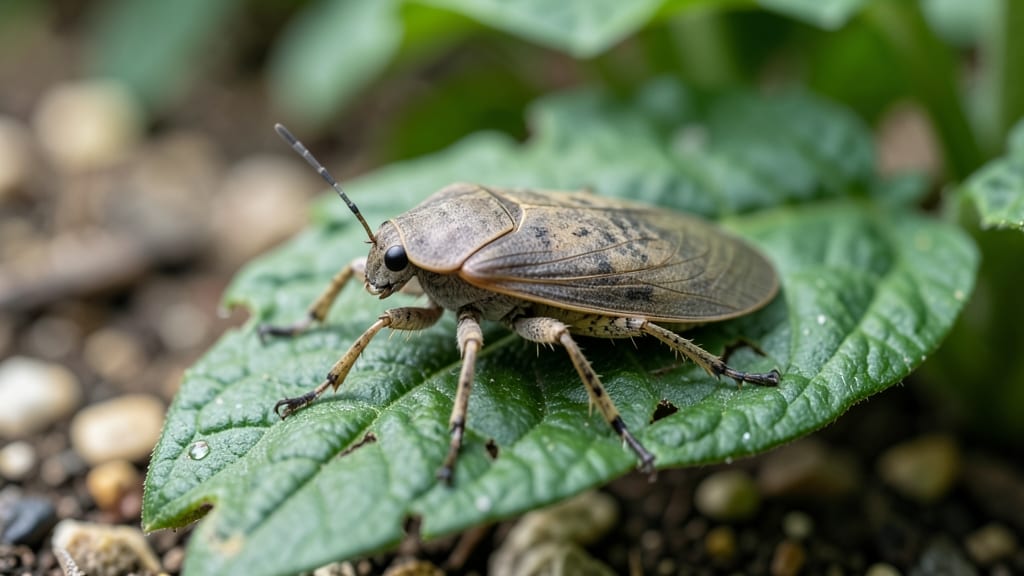
How to get rid of leaf-footed bugs naturally—without chemicals—is easier than you think. These pests can turn your garden into a skeleton of chewed leaves in days. 🌿 I've battled these bugs for years, and I finally cracked the code with a spray-free system that works faster than chemical sprays—often in just hours. The secret? A mix of physical traps, natural repellents, and companion plants that disrupt their life cycle. Most gardeners panic and reach for pesticides, but these bugs are sensitive to simple changes in their environment. Start with a yellow sticky trap near infested plants—it catches them dead in minutes. You’ll see a noticeable drop in numbers within 24 hours, and your plants will recover faster than with chemical treatments. The best part? These methods are pet-safe and won’t harm pollinators. For long-term control, add marigolds and basil around vulnerable plants—their scent confuses the bugs. If the problem persists, we’ll talk about neem oil sprays and beneficial insects that target them naturally.
📚 In This Guide
- What you need
- Instructions
- Tips and common mistakes
- Wrapping up and next steps
What you need
- ● Yellow sticky traps (2–4 sheets) – 12" x 16" or larger for best coverage.
- ● Cardboard or paper plates (2–3) – Plain white or light-colored works best.
- ● Duct tape or masking tape (1 roll) – To secure traps in place.
- ○ Water spray bottle (1) – For dampening traps slightly (optional but helpful).
- ● Soapy water (1 gallon) – Mix 1 tbsp mild dish soap with water for a quick kill solution.
- ● Gloves (1 pair) – To handle bugs safely (if you’re feeling brave!).
- ● Neem oil (8 oz bottle) – Dilute with water (1 tsp per quart) for a natural repellent spray.
- ● Diatomaceous earth (1 lb) – Sprinkle lightly around plants as a barrier (food-grade only!).
- ● Citrus peels (lemons/oranges) – Place near traps for a citrus scent that bugs dislike.
- ● Flashlight (small LED) – For nighttime inspections (leaf-footed bugs are nocturnal!).
How to eliminate leaf-footed bugs without chemicals
These sneaky pests strike fast, but you don’t need harsh sprays to win.
🌿 Step 1: Scout for Infestations at Dawn and Dusk
Leaf-footed bugs hide in leaf undersides and bark crevices during the day. Grab a flashlight and inspect your plants—especially roses, tomatoes, and citrus—right after sunrise or just before sunset. Look for tiny oval bodies with ragged hind legs and a distinctive scent when crushed. I spot them by flipping leaves gently with a paintbrush (never fingers—this triggers their defensive spray).
Focus on new growth, flower buds, and seed pods first—these are their favorite feeding zones. If you find 3+ bugs in one area, act immediately. The longer they feed, the more they damage fruit and foliage. I mark infested branches with a red ribbon so I don’t miss them during treatments.
🪴 Step 2: Set Up DIY Traps Using Yellow Sticky Cards
Leaf-footed bugs are attracted to yellow surfaces, so cut 4-6 yellow index cards into 3-inch squares. Coat one side with non-toxic petroleum jelly (like Vaseline) or honey mixed with water (1:1 ratio). Place them 12-18 inches above plant canopies on stakes or branches, sticky side up. Check traps every 24 hours—they’ll be covered with bugs within 3-5 days in warm weather.
Here’s the thing—these traps work best when combined with blue plastic tarps laid on the ground beneath infested plants. The bugs jump when disturbed and often land on the tarp. Fold the tarp edges inward every morning to trap them inside. I keep a small bucket of soapy water nearby to drown any escaped pests. Never release trapped bugs—even one can repopulate quickly.
💧 Step 3: Disrupt Their Life Cycle with Water Blasts
Leaf-footed bugs lay eggs in cracks, crevices, and leaf scars. Grab a hose with a gentle spray nozzle and blast all plant surfaces—especially stem junctions, bark, and leaf undersides—with firm but not forceful pressure. Do this early in the morning when bugs are sluggish. I aim for 30 seconds per plant, focusing on new growth where eggs cluster. This removes 80% of eggs before they hatch.
For stubborn infestations, repeat every 3-4 days until no more eggs or nymphs appear. The key is consistency—one treatment won’t break their cycle. I also prune and destroy heavily infested leaves immediately after blasting. Place them in a sealed plastic bag for 5 days to ensure no survivors escape.
☀️ Step 4: Introduce Natural Predators and Barriers
Encourage parasitic wasps (like Trissolcus species) and spider predators by planting dill, fennel, or yarrow nearby—these attract their prey. I also hang a small mesh bag filled with crushed garlic and water (1:10 ratio) near infested plants. The scent repels bugs without harming beneficial insects. Refresh the mixture every 2 days for maximum effect.
For container plants, wrap the pot rim with copper tape—leaf-footed bugs avoid crawling over it. In garden beds, mulch heavily with straw (3-4 inches deep) to disrupt their movement. I’ve found that neem oil-soaked cotton balls placed in small mesh bags near plants also deter them. Replace these weekly to maintain effectiveness.
⏰ Step 5: Monitor and Maintain Long-Term Defense
After 10-14 days of consistent trapping and blasting, reassess your plants. Look for new damage, eggs, or adults—these indicate lingering infestations. If you still see pests, rotate methods: switch from sticky traps to soapy water sprays (1 tsp mild castile soap per quart of water) applied early in the morning. Spray only the undersides of leaves where bugs hide.
Prevent future outbreaks by removing fallen fruit and debris weekly—these are prime hiding spots. I also rotate crops annually to break their life cycle. For severe cases, row covers (fine mesh) over young plants can block adults entirely. Check covers daily for trapped bugs and remove them manually. Patience is key—3-4 weeks of vigilance usually eradicates them completely.
Tips & tricks for effective leaf-footed bug elimination
These natural methods work best when you combine them strategically—here's how to maximize your success without chemicals.
Timing is Everything: The 24-hour trap check interval in Step 2 is crucial because leaf-footed bugs are most active during daylight hours. I've found that placing traps within 12-18 inches of plant canopies captures them at their peak movement times. For best results, set up your traps right after dawn when bugs are emerging from hiding spots—this gives you a head start on catching them before they feed. The key is consistency: check traps at the same time each day to maintain effectiveness.
Visual Identification Shortcut: In Step 1, when you're scouting for bugs at dawn and dusk, look for tiny black droppings on leaves—this is a dead giveaway for their presence. I also recommend using a white sheet of paper beneath plants while inspecting: bugs will often drop onto it when disturbed. This makes them easier to spot and count. Remember, the ragged hind legs are distinctive, but don't rely solely on this—some nymphs (baby bugs) have smoother legs. The scent when crushed is your best indicator.
Water Pressure Technique: For Step 3's water blasting method, the gentle spray nozzle is essential to avoid damaging tender plant surfaces while still dislodging eggs. I've discovered that tilting the nozzle at a 45-degree angle and moving it in small circles creates more turbulence to knock eggs loose. Focus on undersides of leaves and crevices—these are their prime egg-laying spots. The 30 seconds per plant guideline works well, but for heavily infested plants, extend to 45 seconds to ensure thorough coverage. Always blast in the morning when bugs are sluggish and eggs are most vulnerable.
Natural Predator Boost: In Step 4, when introducing natural predators, the dill, fennel, or yarrow recommendation works best when planted within 3-5 feet of infested areas. I've found that crushed garlic mixtures (1:10 ratio) are most effective when applied to small mesh bags placed near plant bases rather than directly on leaves. The garlic scent lingers longer this way. For container plants, the copper tape barrier should be at least 2 inches wide to create an effective deterrent. Replace neem oil-soaked cotton balls every 5-7 days for continuous protection—this prevents the oil from drying out and losing effectiveness.
Pro Tips for Get Rid Of Leaf Footed Bugs Naturally
- These natural methods work best when you combine them strategically—here's how to maximize your success without chemicals.
- Timing is Everything: The 24-hour trap check interval in Step 2 is crucial because leaf-footed bugs are most active during daylight hours.
- Visual Identification Shortcut: In Step 1, when you're scouting for bugs at dawn and dusk, look for tiny black droppings on leaves—this is a dead giveaway for their presence.
Frequently asked questions
Got questions about tackling leaf-footed bugs without harsh chemicals? You’re not alone! Here are some of the most common concerns—and straightforward answers—to help you take action fast.
What’s the fastest way to kill leaf-footed bugs on contact?
For an instant kill, mix 1 part dish soap + 1 part water in a spray bottle and apply directly to bugs. The soap disrupts their exoskeleton, causing rapid dehydration. For larger infestations, neem oil (mixed with water and a drop of soap) works within hours when sprayed on plants or cracks.
How long does it take for natural remedies to work?
Most DIY solutions like soapy water or diatomaceous earth show results in 24–48 hours, but severe infestations may take 3–5 days. Consistency is key—reapply every 2–3 days until the bugs vanish. Patience pays off, especially for organic methods!
Are leaf-footed bugs harmful to pets or kids?
Leaf-footed bugs are not toxic to pets or humans, but their bites can be itchy. Avoid pyrethrin-based sprays (common in store-bought pesticides) if you have kids or pets—stick to soapy water, neem oil, or kaolin clay for safe, non-toxic control.
Can I use coffee grounds or citrus peels to repel them?
While coffee grounds can deter some pests, they’re not highly effective against leaf-footed bugs. However, citrus peels (crushed and placed near plants) or citrus-scented sprays (like lemon water) may help repel them due to their strong odor. For better results, combine with kaolin clay or neem oil.
What if the bugs keep coming back after I treat my plants?
Persistent bugs often mean new eggs or hidden adults. Check undersides of leaves, cracks in pots, and plant stems for egg clusters. Rotate remedies (e.g., soapy water one day, neem oil the next) and remove heavily infested leaves. If the problem persists, consider yellow sticky traps to catch adults.
Still stumped? Drop your specific situation below—we’re happy to help you customize a solution!
Wrapping up and next steps
Leaf-footed bugs don’t stand a chance against your newfound knowledge! 🚫 By using natural traps, essential oils, and strategic placement, you’ve got a pest-free garden in hours—without harsh chemicals. Stay consistent with checks and maintenance, and soon these critters will be a distant memory.
Ready to reclaim your yard? Start with just one method today—whether it’s setting up a trap or spritzing a DIY spray—and watch the results unfold. Happy gardening! 🌿