
How To
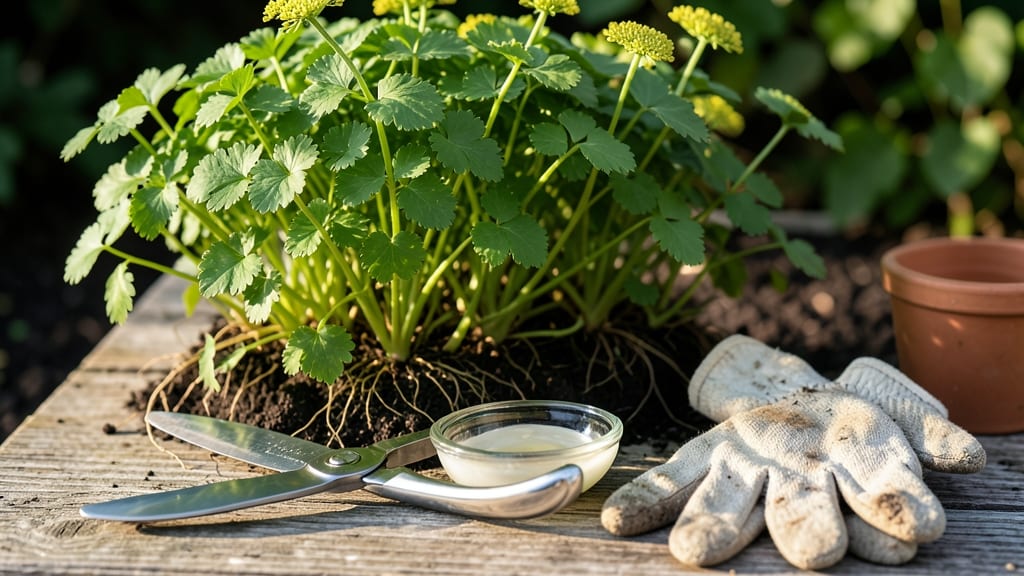
Harvesting flat leaf parsley 🌿 the right way means you’ll get bold flavor and a plant that keeps growing back stronger than ever.
Fresh flat leaf parsley isn’t just a garnish—it’s a flavor powerhouse that thrives when harvested correctly, ensuring your garden keeps producing vibrant, aromatic leaves all season long.
Timing is everything: snip stems just before flowering for the most potent flavor, but don’t overdo it—cutting too close to the base can stunt regrowth. I’ll show you exactly how to harvest without sacrificing future harvests, plus when to stop for the season.
You’ll also learn how to store your harvest (fridge vs. drying) and simple tricks to keep your parsley bushy and productive from June through October—no green thumb required.


When and how to harvest flat leaf parsley for optimal flavor
Harvesting flat leaf parsley at the right time ensures you get the most aromatic, flavorful leaves while keeping your plant healthy and productive. Unlike curly parsley, flat leaf varieties develop a richer taste when harvested young and frequently.
The key is timing—both when you harvest and how you cut the stems—to avoid stressing the plant or sacrificing future growth.
Many gardeners make the mistake of harvesting parsley after flowering or cutting stems too close to the base, which weakens the plant. Instead, focus on morning harvests when the leaves are dry and crisp, and always use clean, sharp tools to prevent damage.
With the right approach, your parsley can keep producing tender, vibrant leaves for months.
🌿 5 Essential Steps to Harvest Flat Leaf Parsley for Maximum Flavor
- 1. Harvest in the Morning – Leaves are driest and most flavorful after dew evaporates. Avoid harvesting after rain or in the evening to prevent fungal issues.
- 2. Cut Stems 2-3 Inches Above the Base – Use clean pruning shears or scissors to snip stems at a 45-degree angle. This encourages new growth and prevents water from pooling.
- 3. Never Cut More Than 1/3 of the Plant – Over-harvesting stresses parsley and can stunt regrowth. Focus on outer leaves first to promote bushier growth.
- 4. Avoid Harvesting Before Flowering – Once parsley bolts (sends up a flower stalk), the leaves become bitter and tough. Harvest regularly to delay bolting.
- 5. Store Properly to Preserve Flavor – Rinse leaves, pat dry, and store in a sealed container in the fridge for up to 1 week. For longer storage, dry or freeze the leaves.
Timing your harvest is just as important as technique. Flat leaf parsley grows best in cool weather, so aim to harvest in late spring or early summer when temperatures are mild. If you live in a hot climate, harvest in morning shade to protect the leaves from wilting.
I’ve found that parsley harvested in June or September often has the brightest flavor because the plant isn’t struggling with extreme heat or cold.
One common mistake is cutting too close to the base, which can expose the stem to rot or pests. Always leave at least 2-3 inches of stem to ensure the plant can regenerate.
If you’re harvesting for culinary use, focus on the outer leaves first—they’re fully mature and won’t stunt the plant’s growth. Save the inner, younger leaves for later harvests when they’ve had time to develop.
For container-grown parsley, harvesting is even more critical because space is limited. Use a small pair of scissors to trim stems carefully, and avoid overcrowding the pot. If your parsley is in a small container, consider pruning lightly but frequently to encourage compact growth.
I’ve seen parsley in 5-gallon pots thrive with weekly light harvests, producing fresh leaves for months.
Did you know that flat leaf parsley can actually bolting if it gets too hot or doesn’t get enough water? Bolting turns the leaves bitter and woody, making them unusable. To prevent this, keep the soil consistently moist (but not soggy) and mulch around the base to retain moisture.
If your parsley starts to bolt, harvest the remaining leaves immediately and save the seeds for next year.
Proper storage after harvesting can extend the life of your parsley and preserve its flavor. After cutting, rinse the leaves gently under cool water to remove dirt, then pat them dry with a clean towel. Store them in a sealed container lined with a paper towel to absorb excess moisture.
For long-term storage, you can also dry the leaves by tying small bundles and hanging them upside down in a dark, dry place for 1-2 weeks.
If you’re growing parsley for both culinary and decorative purposes, prioritize harvesting the outer leaves first. This keeps the plant looking neat and full while still providing fresh herbs for cooking.
I like to harvest a few stems at a time, then use the leaves in salads, soups, or as a garnish. The key is balance—don’t harvest so much that the plant looks bare, but don’t wait until the leaves are overgrown or bitter.
Remember, flat leaf parsley is a biennial plant, meaning it can produce leaves for two years if cared for properly. With the right harvesting techniques, you’ll enjoy a continuous supply of fresh, flavorful parsley all season long. Happy harvesting! 🌱
Step-by-step guide to harvesting flat leaf parsley without killing the plant
Harvesting flat leaf parsley correctly is the secret to a continuous supply of fresh, flavorful leaves. Unlike curly parsley, flat leaf varieties are more forgiving when pruned properly, but incorrect cutting can stunt growth or even kill your plant.
The key is to encourage regrowth while avoiding over-harvesting, especially in containers where space is limited.
Whether your parsley thrives in in-ground beds or container gardens, the same principles apply: timing, technique, and tools make all the difference. I’ll walk you through the exact steps to harvest without harming your plant, plus how to revitalize growth for a bountiful season.
🌿 Step-by-Step Harvesting Guide
-
Step 1: Choose the Right Time
Harvest in the morning after dew has dried (6-9 AM). Leaves are most flavorful and less wilted for storage. -
Step 2: Use the Right Tools
Grab clean, sharp scissors or pruning shears (never your fingers!). Dull tools crush stems and invite disease. -
Step 3: Cut at the Base
Snip outer stems (not the center) 2-3 inches above the soil line. Avoid topping the plant—this removes the growth point and stunts regrowth. -
Step 4: Never Harvest More Than 1/3
Remove no more than 1/3 of the plant at once. For containers, limit to 2-3 stems per harvest to avoid overcrowding. -
Step 5: Encourage Regrowth
After cutting, water deeply and add compost tea to boost recovery. In containers, fertilize lightly with fish emulsion (5-10-10) every 4-6 weeks. -
Step 6: Avoid Flowering Stems
If you spot flowering stems, snip them immediately. Flowering reduces leaf production and alters flavor. Save seeds for next year if desired.
For container-grown parsley, space is limited, so focus on selective harvesting. Cut only the largest, outermost leaves to avoid shading the center. In in-ground beds, you have more flexibility, but still follow the 1/3 rule to prevent stress.
After each harvest, rinse leaves under cool water to remove dirt and store in a perforated plastic bag in the fridge for up to 10 days.
If your parsley stops regrowing after harvest, it’s likely overcrowded or nutrient-deficient. Thin out weak stems and top-dress with aged compost. In containers, consider repotting into a larger pot (12+ inches deep) if roots are circling.
With the right care, your flat leaf parsley will keep producing bright, flavorful leaves for months.
Pro tip: Label your parsley plants if you’re growing multiple herbs. Flat leaf parsley can bolting (flowering) faster in hot weather, so harvest aggressively in late spring to delay flowering and extend your harvest season.