
Pests
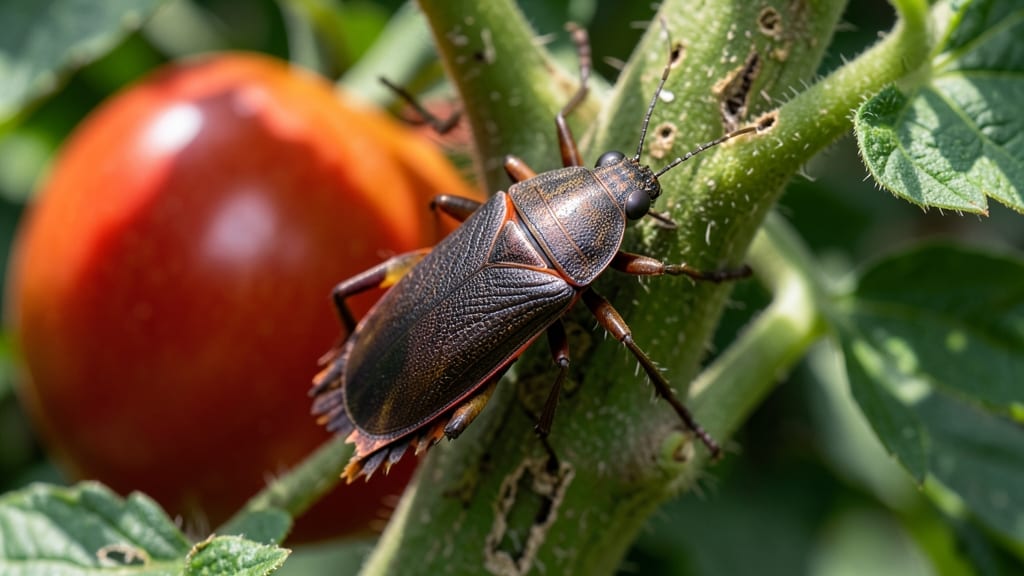
Those tiny, shield-shaped bugs on your tomatoes are leaf-footed bugs—and they’re sucking the life out of your harvest. 🌱 I’ve watched entire tomato plants deflate under their attack, but these organic tricks have saved my crops time and again, from backyard gardens to community plots.
The damage starts with speckled leaves and stunted growth, then escalates to shriveled fruit. Most gardeners panic and reach for chemicals, but leaf-footed bugs respond better to physical removal and plant-based deterrents.
A simple daily inspection at dawn catches them before they multiply, and neem oil or kaolin clay creates a barrier they avoid. By week 3 of treatment, you’ll see new growth pushing out, and those speckled leaves will turn into vibrant green foliage again.
The key is consistency—these pests don’t give up easily, but neither should you. Works for container tomatoes, raised beds, and even patio plants. Let’s get your harvest back on track!
Root Causes of Tomato Infestations
Leaf-footed bugs (LFB) don’t just show up on tomatoes by chance—they’re drawn by a mix of environmental, plant-based, and behavioral triggers. Understanding these causes is the first step to outsmarting them. Let’s break down why your tomato plants become their favorite snack spot.
Leaf-footed bugs are generalist feeders, but tomatoes are a particular magnet for them—especially when ripe. Here’s why:
- Sugary, soft fruit: Ripe tomatoes are packed with natural sugars and thin skin, making them easy targets. LFB’s piercing-sucking mouthparts can easily penetrate the fruit, extracting juices and leaving behind unsightly scars.
- Volatile organic compounds (VOCs): Tomatoes emit chemical signals (like hexanal and methyl salicylate) that attract pests. These compounds are part of the plant’s natural defense system but also act as a dinner bell for bugs.
- Warmth and moisture: Tomatoes thrive in warm, humid conditions—ideal for LFB reproduction. The bugs prefer temperatures between 75–90°F (24–32°C), which aligns perfectly with peak tomato-growing seasons.
Pro Tip: 🌡️ If your tomatoes ripen early or in clusters, they’re more vulnerable. Consider pruning excess fruit or harvesting early to reduce exposure.
Leaf-footed bugs aren’t just hungry—they’re opportunistic hitchhikers. They thrive where humans and plants intersect:
- Urban and garden edges: LFB often hide in weeds, grass, or leaf litter near tomato plants. If your garden borders a wild area, they’ll migrate in en masse during warm months.
- Container gardens and greenhouses: Potted tomatoes or greenhouse-grown plants provide protected microclimates that LFB love. Poor airflow traps heat and humidity, making it harder for bugs to disperse.
- Nearby host plants: LFB also feed on peppers, eggplants, and okra. If these crops are nearby, your tomatoes become a secondary target once the bugs deplete other food sources.
Pro Tip: ✨ Reduce hiding spots by keeping your garden tidy—remove debris, mulch sparingly (LFB hide under it), and avoid overcrowding plants.
In a healthy ecosystem, predatory insects (like assassin bugs, spiders, and parasitic wasps) keep LFB populations in check. But when this balance tips, outbreaks occur:
| Cause of Imbalance | How It Helps LFB |
|---|---|
| Overuse of broad-spectrum pesticides | Kills natural predators faster than LFB, creating a "greenhouse effect" for pests. |
| Monoculture gardening | Reduces plant diversity, eliminating alternative food sources for predators. |
| Late-season planting | Predators may have already migrated or died off by the time LFB arrive. |
Pro Tip: 🌿 Encourage biodiversity by planting marigolds, dill, or basil nearby—they attract beneficial insects that hunt LFB.
Now that you know why these bugs target your tomatoes, the next step is preventing and removing them—organically and effectively. Stay tuned!
Quick Fixes for Stink Bug Invaders
Leaf-footed bugs can turn your tomato harvest into a battle zone, but don’t let them win! With the right strategies, you can reclaim your garden—without harsh chemicals. Below, we’ll tackle the most common causes of infestations and match them with practical, organic solutions.
Whether you’re dealing with early-stage nibbling or a full-blown siege, these fixes will help you protect your plants and preserve your tomatoes.
If you spot just a few bugs or tiny specks of damage on your tomatoes, act fast! Early intervention is your best defense.
- 🕵️♂️ Scout Your Plants Daily Check the undersides of leaves, tomato clusters, and stems—these are prime hiding spots. Use a flashlight in the early morning or evening when bugs are most active.
- 💦 Blast Them Off with Water A strong stream from your hose (especially in the early morning) can knock adults and nymphs off plants. Repeat every 2–3 days during outbreaks.
- 🕷️ Handpick the Culprits Wear gloves and squish bugs into soapy water. Focus on large adults first—they’re easier to spot and remove.
- 🌿 Use Row Covers for Prevention If you notice bugs early in the season, drape fine mesh netting over tomato plants. Secure it tightly to block entry while allowing sunlight and water through.
When bugs multiply, turn to nature’s pest control. These sprays disrupt their life cycle without harming your tomatoes or beneficial insects.
- 🌿 Neem Oil Solution (Best for All Stages)
| What You’ll Need | How to Apply |
|---|---|
| 1 tbsp neem oil | Mix with 1 tsp mild soap (like castile) and 1 quart water. |
| Spray bottle | Shake well and spray both sides of leaves and stems at dusk. Reapply every 5–7 days. |
Why it works: Neem oil disrupts feeding and stops egg-laying. It’s especially effective against nymphs.
- 🧂 Diatomaceous Earth (DE) Barrier
Sprinkle food-grade DE around the base of plants and on leaf surfaces. It creates a microscopic barrier that dehydrates bugs.
- ⚠️ Pro tip: Reapply after rain or watering—DE loses effectiveness when wet.
- ⚠️ Avoid using DE on flowering plants if bees are active (it can harm them).
- 🍋 Garlic & Chili Pepper Spray (Hot for Bugs!)
| Recipe | Instructions |
|---|---|
| 2 cloves garlic, blended | Strain and mix with 1 tsp cayenne pepper, 1 tsp dish soap, and 1 quart water. |
| Spray bottle | Shake before use and spray directly on bugs. Reapply every 3–4 days. |
Why it works: The strong scent repels bugs, and the capsaicin in chili irritates their exoskeletons.
Outsmart leaf-footed bugs by making your garden less appealing—or more appealing to other predators.
- 🌻 Plant Trap Crops Grow beans, peas, or okra nearby. These plants attract bugs away from your tomatoes. Once infested, remove and destroy the trap crop (don’t compost it!).
- 🐝 Encourage Natural Predators
- 🕸️ Spiders: They love leaf-footed bugs! Avoid pesticides to keep spider populations high.
- 🐞 Ground beetles & lacewings: Plant dill, fennel, or marigolds to attract them.
- 🐦 Birds: Install a bird feeder or bath to lure insect-eating birds into your garden.
- 🌡️ Adjust Watering Practices
Leaf-footed bugs thrive in dry, hot conditions. Water deeply early in the morning to promote healthy plants and reduce stress, making them less vulnerable.
If bugs are still winning, ramp up your defenses with these high-impact tactics.
- 🏗️ Install Sticky Traps Place yellow sticky traps near tomato plants. Bugs are drawn to the color and get stuck. Check traps daily and replace as needed.
- 🧹 Remove Eggs & Debris
Leaf-footed bugs lay eggs on leaf undersides and stems. Inspect plants weekly and scrape off eggs with a fingernail or soft brush. Drop them into soapy water.
- 🚫 Prune & Destroy Damaged Foliage Cut off heavily infested leaves and dispose of them in a sealed bag. This stops the bug life cycle and improves airflow in your plants.
Don’t let leaf-footed bugs crash your tomato party again! Follow these long-term strategies to keep your garden pest-free.
- 🌱 Rotate Crops Avoid planting tomatoes (or nightshades like peppers/eggplants) in the same spot every year. Bugs overwinter in soil—rotation disrupts their habits.
- 🌿 Mulch Strategically Use straw or grass clippings (not wood chips) to smother weeds where bugs hide. Keep mulch away from plant stems to prevent moisture buildup.
- 🌙 Time Your Planting Start tomatoes 4–6 weeks before your last frost date for a head start. Mature plants are less attractive to young bugs.
- 🔍 Inspect New Plants Before bringing home nursery-bought tomatoes, rinse them thoroughly and quarantine for a week. Many infestations start with contaminated plants.
With these solutions, you’ll regain control of your tomato garden—and enjoy a bountiful, bug-free harvest. 🍅💪 The key is consistency: combine early detection, organic sprays, and prevention to keep leaf-footed bugs at bay for good!
Frequently asked questions
What do leaf-footed bug eggs look like on tomato plants?
Leaf-footed bug eggs are tiny, oval, and yellowish-white when fresh, turning brown as they mature. They’re usually laid in clusters on the undersides of leaves or stems. Look for groups of 10-20 eggs attached to leaf veins—these are prime targets for removal.
Can leaf-footed bugs survive winter in my garden?
Yes! These pests overwinter as adults in protected areas like mulch, leaf litter, or garden debris. They become active again when temperatures rise above 50°F (10°C). Clear out garden debris in fall to reduce overwintering sites and prevent next year’s infestation.
Will yellow sticky traps actually catch leaf-footed bugs?
Yes, but with mixed results. Yellow traps attract leaf-footed bugs, but they’re more effective for smaller insects. For better capture, place traps near tomato plants at waist height where bugs hide. Check traps daily and replace when saturated—these pests are fast movers!
Are leaf-footed bugs the same as stink bugs?
Not exactly! While both are in the same family, leaf-footed bugs have flattened, leaf-like hind legs and are often smaller (about 1/2 inch). Stink bugs have a more rounded shape and release a stronger odor when crushed. Both damage tomatoes, but leaf-footed bugs prefer ripe fruit over leaves.
How long does it take for neem oil to work on leaf-footed bugs?
Neem oil starts working within 24-48 hours by disrupting their feeding and reproduction. For best results, apply it at dusk when bugs are active and reapply every 5-7 days during outbreaks. Combine with handpicking for faster control.