
Flowers
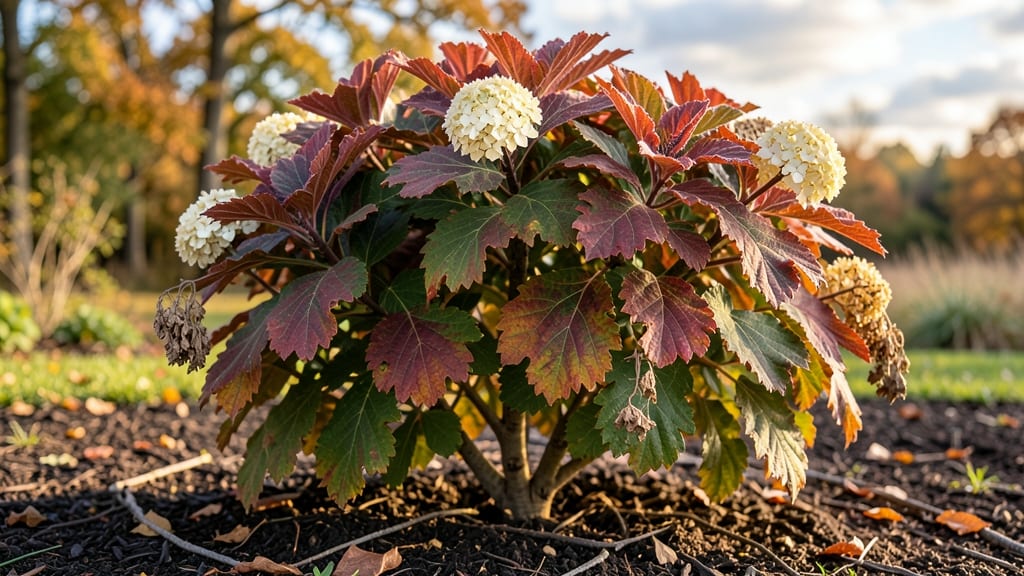
Your oak leaf hydrangea fall show starts with leaves that turn from green to burning reds and oranges—like nature’s own fireworks. 🌿 I’ve watched mine transform over the years, and the best part? This isn’t just a one-season spectacle.
With the right care, those leaves get even more vibrant each autumn, turning your yard into a seasonal highlight. The secret lies in late-season pruning—cutting back dead blooms now preserves energy for next year’s growth. Avoid heavy pruning until spring, though, or you’ll risk losing next summer’s flowers.
Oak leaf hydrangeas also bloom on old and new wood, so a little strategic trimming keeps them lush without sacrificing blooms. By winter, your plant will be prepped for dormancy, its sturdy stems ready to handle frost.
The key is mulching around the base to protect roots, while still allowing airflow to prevent rot. You’ll wake up to a garden that looks like it’s on fire—literally.
This plant thrives in USDA zones 5-9, so whether you’re in the South or Midwest, the fall display is worth the effort. Here’s how to make it shine.
📚 In This Guide
- What you need
- Instructions
- Tips and common mistakes
- Wrapping up and next steps
What you need
- ● Oak Leaf Hydrangea (Hydrangea quercifolia) – 1-3 mature plants (3-5 ft tall, depending on desired impact). Pro tip: Choose established plants (3+ years old) for vibrant fall foliage!
- ● Well-draining soil – Mix of 50% native soil, 30% compost, and 20% perlite/sand (1-2 cubic yards per plant).
- ● Balanced fertilizer – 10-10-10 or 5-10-5 (1 lb per plant, applied twice in early spring and mid-summer).
- ● Mulch – 3-4 inches of organic mulch (pine bark or shredded leaves) to retain moisture and regulate temperature.
- ● Watering can or hose with soaker nozzle – For deep watering (1-2 inches per week, more in extreme heat).
- ● Garden gloves – Heavy-duty (for thorny stems and soil work).
- ● Pruning shears – Bypass pruners (sharp, clean, for precise cuts).
- ● Garden fork or trowel – For amending soil and planting.
- ● pH test kit – Ensure soil pH is 4.5–6.0 (hydrangeas love slightly acidic soil!).
- ● Sunlight access – Partial shade (4–6 hours of direct sun) is ideal (morning sun + afternoon shade works best).
- ● Epsom salt – 1 tbsp per gallon of water (monthly spray for deeper green foliage and richer fall colors).
- ● Slow-release fertilizer spikes – For low-maintenance nutrient delivery.
- ● Decorative stakes or rings – To support heavy fall blooms (especially in windy areas).
- ● Fall-specific mulch – Straw or evergreen boughs to protect roots from frost.
How to care for oak leaf hydrangeas in fall
Fall is when oak leaf hydrangeas truly shine—here’s how to keep their foliage vibrant through the season.
🌿 Step 1: Prune to Encourage Next Year’s Growth
Wait until after the first frost to prune, but do it before winter dormancy sets in. Remove dead or damaged stems completely, cutting back to the base. For healthy stems, trim back by about one-third to encourage bushier growth next spring. I like to make cuts just above a leaf node or bud—this ensures new growth emerges in the right direction.
Never prune into old wood (the thick, woody stems). Oak leaf hydrangeas bloom on new growth, so cutting into last year’s wood removes potential flowers. If you’re unsure, wait until late winter to prune—you’ll see where last year’s stems ended.
☀️ Step 2: Protect from Early Frost Damage
Oak leaf hydrangeas handle light frost, but sudden temperature drops can scorch tender new foliage. If a hard frost is forecasted (below 28°F), cover the plant with a lightweight frost cloth or even an old bedsheet. Secure it loosely so it doesn’t crush the branches.
Water deeply before covering—hydrated plants recover better from cold snaps. Remove the covering during the day if temperatures rise above 40°F to prevent overheating. You’ll know it’s working when the leaves stay crisp and green instead of turning brown or mushy.
💧 Step 3: Reduce Watering as Temperatures Drop
Once daytime highs drop below 60°F, cut back on watering. Oak leaf hydrangeas enter dormancy in late fall, and overwatering at this stage can lead to root rot. Water only when the top 2 inches of soil feel dry—stick your finger in the soil to check. You’ll notice the plant’s growth slows, and new leaves stop appearing.
Mulch around the base with 2-3 inches of organic mulch (like shredded leaves or wood chips) to insulate roots. Keep mulch a few inches away from the stem to prevent moisture buildup. This layer protects roots from freezing temperatures and retains soil moisture during dry spells.
⏰ Step 4: Prepare for Winter Dormancy
By late November, most oak leaf hydrangeas will have shed their last leaves or entered dormancy. If your plant still has leaves, it’s not yet ready for winter. Wait until the ground freezes or temperatures stay below 32°F for several days before taking final steps.
Add a thick layer of mulch (up to 4 inches) around the base, but avoid piling it against the stem. This extra insulation helps roots survive freezing temperatures. If you live in a zone with below 0°F winters, consider wrapping the plant in burlap or a frost blanket for added protection.
🌱 Step 5: Plan for Spring Revival
Even in winter, you can set your oak leaf hydrangea up for a stunning spring. Prune any remaining dead stems in late winter, but leave the rest alone. The plant’s energy is focused on root growth, so avoid fertilizing or heavy pruning until you see new buds in early spring.
Watch for the first signs of growth—tiny green buds or new leaves—usually in late March or April, depending on your climate. This is your cue to resume regular watering and fertilizing. You’ll know you’ve done it right when the plant bursts back to life with bold, vibrant foliage.
Tips & tricks for oak leaf hydrangea fall care
Here’s what I’ve learned after years of keeping my oak leaf hydrangeas vibrant through fall—these small details make all the difference.
Pruning Precision: When trimming back by one-third in Step 1, look for stems that are still flexible and green—these are your growth leaders. Avoid cutting into the thick, woody stems (old wood) that feel hard and brown, as these won’t produce new blooms. I like to use clean, sharp pruners and make cuts at a slight angle just above a leaf node or bud to encourage outward growth rather than inward.
Frost Protection Insight: The 28°F threshold in Step 2 is critical—this is when frost damage becomes severe. I’ve found that adding a layer of straw or pine needles under the frost cloth provides extra insulation. Also, avoid covering the plant too tightly; you want airflow to prevent moisture buildup, which can lead to rot. If you’re using a bedsheet, secure it with stakes rather than weights to avoid crushing stems.
Watering Wisdom: In Step 3, the "top 2 inches dry" rule is a game-changer. I test soil moisture by sticking my finger in—if it feels cool and slightly damp, it’s ready for water. Overwatering in fall is a common mistake, especially when the plant slows growth. A moisture meter can help if you’re unsure, but your finger works just as well. Always water at the base, not over the leaves, to prevent fungal issues.
Mulch Mastery: For Step 4, I’ve learned that mulch depth matters. The 2-3 inches in early fall becomes 4 inches by late fall—this gradual increase insulates roots better. Use organic mulch like shredded leaves or wood chips, as they break down and add nutrients. Keep mulch a few inches away from the stem to prevent rot, and avoid using fresh grass clippings, which can draw moisture away from the plant.
Pro Tips for Oak Leaf Hydrangea Fall
- Here’s what I’ve learned after years of keeping my oak leaf hydrangeas vibrant through fall—these small details make all the difference.
- Pruning Precision: When trimming back by one-third in Step 1, look for stems that are still flexible and green—these are your growth leaders.
- Frost Protection Insight: The 28°F threshold in Step 2 is critical—this is when frost damage becomes severe.
Frequently asked questions
When do oak leaf hydrangeas turn color in fall?
Oak leaf hydrangeas typically burst into fiery reds, oranges, and purples late September through November, depending on your climate. Cooler nights and crisp air trigger the color change—think of it as nature’s autumn light show! For the deepest hues, plant in full sun to partial shade and avoid late-season fertilizers.
Why aren’t my oak leaf hydrangea leaves changing color this fall?
If your leaves are staying green or yellowing dull, check these fixes:
- Light: They need at least 4–6 hours of sun daily for vibrant fall color.
- Water: Drought stress can dull foliage—keep soil consistently moist (but not soggy).
- Pruning: Avoid trimming in late summer/fall—this cuts off next year’s color buds!
- Age: Younger plants may take 2–3 years to hit peak fall drama.
Still lackluster? A light application of balanced fertilizer in early spring can boost next year’s performance.
Do oak leaf hydrangeas need winter protection?
These tough shrubs are USDA Zones 5–9 hardy, but young plants or harsh winters (below 0°F) may need help. Mulch the base with 3–4 inches of shredded bark or leaves after the ground freezes. For extra insurance, wrap the crown in burlap—but only if temps dip below -10°F for days. Never mulch too early (wait until late fall).
Can I prune oak leaf hydrangeas in fall?
Fall is not the best time—prune right after blooming (late spring) to shape and remove dead wood. If you must tidy up in fall, wait until after a hard frost (when leaves turn brown) to avoid disturbing next year’s buds. Pro tip: Use clean, sharp shears and sterilize them with rubbing alcohol to prevent disease.
What’s a good alternative if my oak leaf hydrangea struggles in my climate?
If your zone is too hot/dry or too cold, try these fall-foliage stars:
- Smokebush (Cotinus) – Purple plumes + fiery red/orange leaves (Zones 4–9).
- Virginia Sweetspire (Itea virginica) – Fragrant blooms + brilliant red fall color (Zones 4–9).
- Ninebark (Physocarpus) – Tough, low-maintenance, and bursts with color (Zones 3–8).
- Oakleaf Maple (Acer rufinerve) – Smaller but dramatic fall hues (Zones 6–9).
All thrive with minimal fuss and deliver that wow factor you crave!
Wrapping up and next steps
Transforming your garden with oak leaf hydrangea this fall is easier—and more rewarding—than you think! 🌿 With its fiery foliage and low-maintenance charm, this plant turns ordinary landscapes into showstoppers. Whether you’re a seasoned gardener or just starting, the key is patience and a little seasonal care.
Ready to level up your outdoor space? Start by snapping a photo of your hydrangea’s current state, then sketch a simple plan for pruning or mulching. Fall is the perfect time to act—so grab your gloves and get growing! 🌟