
Blooming
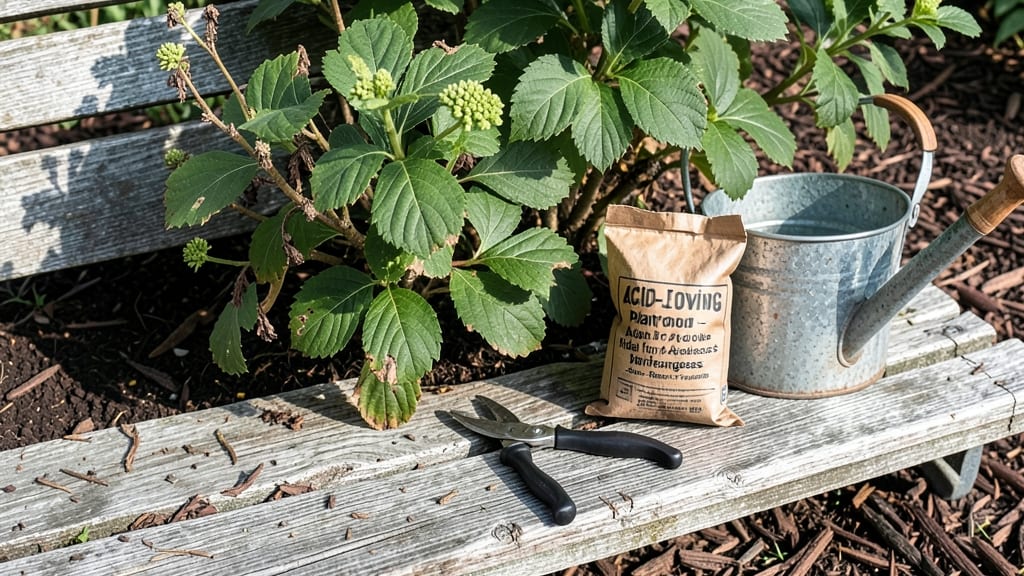
The oakleaf hydrangea not blooming is a heartbreaking sight—especially when its stunning fall foliage is the only show in town. 🌿 The secret to forcing those iconic flower clusters lies in understanding when—and how—to prune, because timing is everything with these dramatic shrubs.
I’ve nursed back three oakleaf hydrangeas from "leafy wall" to blooming beauty by fixing just two mistakes: pruning too late in the season and missing the subtle signs of bud formation.
The most common culprits are pruning at the wrong time (after buds form in spring) and over-trimming older wood where next year’s blooms hide. Oakleaf hydrangeas bloom on both old and new wood, but they need last year’s stems to produce the biggest show.
Look for those fat, plump buds along last season’s branches—those are your future flowers. If they’re gone by late winter, you’ve pruned too aggressively.
Here’s the game-changer: prune in late winter or early spring (before buds swell) to shape the shrub while preserving last year’s wood. Feed with balanced fertilizer in early spring, and watch for new growth—those are the branches that’ll carry next year’s blooms.
Within a season, you’ll see clusters forming where you thought all was lost.
This method works for oakleaf hydrangeas in zones 5-9, whether they’re struggling in full sun or shade. The key is patience: oakleaf hydrangeas reward careful pruning with bigger blooms and longer color seasons. Start now, and next summer’s show will make your neighbors ask for your secret.
Hidden Reasons Your Hydrangea Skips Flowers
If your oakleaf hydrangea (Hydrangea quercifolia) is putting out lush foliage but stubbornly refuses to bloom, the issue likely stems from one (or more) of these key factors. Understanding the science behind each cause will help you diagnose—and fix—the problem before next season.
Oakleaf hydrangeas are slow growers and often take 3–5 years to mature enough for consistent blooming. If your plant is younger than this, it may be focusing energy on root and foliage development rather than flower buds.
Why it happens:
- Limited energy reserves: Young plants prioritize vegetative growth (leaves, stems) over reproductive growth (flowers).
- Insufficient bud formation: Oakleaf hydrangeas produce old wood blooms, meaning flower buds form on previous year’s growth in late summer/fall. If the plant is still establishing itself, it may not have developed enough buds.
Harsh winters or late spring frosts can shock your hydrangea, damaging flower buds before they even open.
Why it happens:
- Winter dieback: Oakleaf hydrangeas are hardy (USDA Zones 5–9), but prolonged temperatures below 10°F (-12°C) can kill dormant buds. Thaw-freeze cycles in late winter also cause bud damage.
- Late frost exposure: If buds swell in early spring (March–April) and temperatures dip below 28°F (-2°C), flowers may blacken and drop.
- Heat stress in summer: While less common, extreme heat waves (>95°F/35°C) can cause buds to abscise (fall off) prematurely if the plant isn’t properly hydrated.
Oakleaf hydrangeas thrive in partial shade (4–6 hours of sun daily), but too much or too little light disrupts blooming.
Why it happens:
- Too much sun: In hot climates (Zones 7–9), excessive sunlight causes bud dormancy—the plant conserves energy to avoid heat stress, delaying or preventing bloom formation.
- Too little light: In deep shade (<3 hours of sun), the plant may produce long, leggy stems with sparse blooms
- Sudden light changes: Moving a mature plant from shade to full sun (or vice versa) can confuse its blooming cycle, leading to skipped flowers.
Hydrangeas are thirsty plants, and inconsistent watering directly impacts flower production.
Why it happens:
- Underwatering: Drought stress causes the plant to abort flower buds to conserve moisture. Buds form in late summer/fall, so even brief dry spells can stunt development.
- Overwatering or poor drainage: Soggy roots (from compacted soil or lack of mulch) lead to root rot, which starves the plant of nutrients needed for blooming. Oakleaf hydrangeas hate "wet feet."
- Inconsistent moisture: Fluctuating soil moisture levels confuse the plant’s hormonal signals, preventing proper bud differentiation.
If your oakleaf hydrangea is sharing nutrients with aggressive neighbors, it may skip blooming to survive.
Why it happens:
- Weedy or invasive roots: Plants like Japanese knotweed, bamboo, or even overzealous ground covers (e.g., mint, ivy) steal water and nutrients, leaving your hydrangea energy-starved.
- Overcrowded planting: Oakleaf hydrangeas need 3–5 feet of space to spread. If planted too close to trees, shrubs, or other hydrangeas, they’ll compete for light, water, and soil nutrients.
- Poor soil fertility: If the soil lacks phosphorus (P)—a key nutrient for flower development—the plant will prioritize leafy growth over blooms.
Timing is everything with oakleaf hydrangeas. A misstep in pruning can remove next year’s flower buds.
Why it happens:
- Pruning after mid-summer: Oakleaf hydrangeas set buds on old wood in late summer/fall. Cutting back after July 15 risks removing next year’s blooms.
- Over-pruning young plants: Heavy pruning in the first few years can delay maturity, pushing back the blooming window by 1–2 years.
- Removing too many stems: If you shear or thin more than 30% of the plant, you may eliminate critical bud-bearing wood.
Insects and pathogens can silently sabotage your hydrangea’s blooming potential.
Why it happens:
- Scale insects or aphids: These sap-sucking pests weaken the plant by reducing photosynthesis. Infested plants often produce small, deformed blooms or none at all.
- Powdery mildew or leaf spot: Fungal infections (common in humid climates) cause premature leaf drop, reducing the plant’s ability to photosynthesize and store energy for flowers.
- Borers or canker diseases: These destroy vascular tissue, cutting off nutrient flow to developing buds.
Oakleaf hydrangeas prefer slightly acidic to neutral soil (pH 5.0–6.5). Extreme pH levels can stunt blooming.
Why it happens:
- High pH (alkaline soil, pH >7.0): Locks out micronutrients like iron and manganese, which are critical for bud formation. Yellowing leaves (chlorosis) often accompany skipped blooms.
- Low pH (acidic soil, pH <4.5): While hydrangeas tolerate acidity, excess aluminum toxicity can occur, damaging roots and reducing energy for flowers.
Revive Your Oakleaf Hydrangea’s Bloom
If your oakleaf hydrangea is skipping its floral show, don’t panic—most issues have simple fixes. Below, we’ve mapped the most common causes to actionable solutions, plus pro tips to keep your plant blooming beautifully for years. 🌸🔧
Oakleaf hydrangeas thrive in partial shade (4–6 hours of filtered sunlight daily), but too little light can stunt blooms. If your plant is in deep shade, try these steps:
- 🔥 Move it gradually: Shift the plant to a slightly sunnier spot over 2–3 weeks to avoid shock.
- 🍳 Prune nearby trees/shrubs: Trim overhanging branches to increase light penetration.
- 👨🍳 Use reflective surfaces: Place a light-colored wall or mirror behind the plant to bounce extra light onto the foliage.
- ⏰ Monitor growth: If new leaves appear paler or leggier, the plant still needs more light.
Prevention tip: Plant oakleaf hydrangeas where they’ll get morning sun and afternoon shade—this mimics their natural woodland habitat. 🌿
Oakleaf hydrangeas bloom on old wood (last year’s growth), so pruning at the wrong time can remove next year’s flower buds. Follow this timeline:
| When to Prune | How to Do It |
|---|---|
| ⏰ Late winter/early spring (Jan–Feb) | 🔪 Trim only dead, diseased, or crossing branches. Avoid heavy cuts—this preserves budding sites. |
| 🌱 After flowering (summer) | 🍳 Lightly shape the plant by cutting back up to 1/3 of the oldest stems to encourage new growth (but leave some old stems for next year’s blooms!). |
| ❄️ Avoid pruning in fall/winter | 🚫 Cutting too late can expose tender stems to frost damage, reducing next year’s flower potential. |
Pro tip: If you’ve over-pruned in the past, don’t stress—oakleaf hydrangeas are resilient. Focus on gradual recovery by fertilizing and watering consistently. 💧
Drought stress or poor soil can cause buds to drop before opening. Oakleaf hydrangeas prefer moist, well-draining soil with organic matter. Here’s how to check and improve:
- 🌡️ Test soil moisture: Stick your finger 2–3 inches into the soil. If it’s dry, water deeply until moisture reaches 6 inches down.
- 🥗 Amend heavy clay soil: Mix in 2–3 inches of compost or peat moss to improve drainage.
- 💪 Fertilize lightly: Apply a balanced, slow-release fertilizer (10-10-10) in early spring and again after flowering. Avoid high-nitrogen fertilizers—they promote leafy growth over blooms.
- 🎯 Mulch properly: Spread 2–3 inches of mulch (wood chips or shredded bark) around the base, keeping it away from the stem to retain moisture and regulate temperature.
Warning: Overwatering or soggy soil can suffocate roots. Ensure pots have drainage holes, and raised beds drain within 24 hours. 🚫💦
Insects like aphids, scale, or fungal issues (e.g., powdery mildew) can sap energy meant for blooming. Act fast with these fixes:
- 🔍 Inspect leaves/stems: Look for sticky residue (aphids), white powder (mildew), or tiny bumps (scale).
- 🍳 Treat organically: Spray with neem oil or insecticidal soap for pests. For mildew, apply a baking soda solution (1 tsp baking soda + 1 quart water + a drop of dish soap).
- 🌡️ Improve airflow: Thin out dense foliage to reduce humidity around the plant, which discourages fungal growth.
- ✨ Prevent recurrence: Water at the base of the plant (not overhead) to keep leaves dry.
Prevention tip: Healthy plants resist pests better! Ensure your hydrangea gets proper sunlight, water, and nutrients to build natural defenses. 🛡️
Young oakleaf hydrangeas (under 3 years old) or plants recovering from transplant shock may skip blooming. Be patient and:
- 💡 Wait and watch: Oakleaf hydrangeas often bloom in their second or third year. Focus on establishing a strong root system.
- 🥗 Transplant carefully: If recently moved, keep the plant well-watered and avoid heavy pruning for at least a year.
- 🌡️ Monitor stress signs: Yellowing leaves or wilting can indicate root damage. Adjust care (water, soil, or light) until the plant stabilizes.
Encouragement: Oakleaf hydrangeas reward long-term care with stunning fall foliage and eventual blooms. Think of this as a marathon, not a sprint! 🏃♂️💨
Frequently asked questions
Why does my oakleaf hydrangea have leaves but no flowers?
Oakleaf hydrangeas often prioritize leafy growth over blooms when they're young (3–5 years old) or stressed. They bloom on old wood (last year's stems), so if you pruned too aggressively after July 15, you may have removed next year's flower buds. Check for plump buds along last year's branches—if they're missing, you've likely pruned at the wrong time.
Can I still get flowers if I pruned my oakleaf hydrangea in summer?
You might lose this year's blooms, but don't panic! Oakleaf hydrangeas produce some new wood blooms too. Focus on protecting last year's stems (they hold next year's flowers) and avoid heavy pruning until late winter/early spring. Next season's blooms are already forming on those remaining branches.
How do I know if my oakleaf hydrangea is getting enough sunlight?
Ideal light is morning sun + afternoon shade. If leaves look pale or leggy, it needs more light. Too much direct sun (especially in hot climates) can cause bud dormancy, while too little shade (<3 hours of sun) leads to sparse blooms. Test by moving it gradually to a sunnier spot over 2–3 weeks to avoid shock.
Will fertilizer help my oakleaf hydrangea bloom?
Yes, but choose wisely! Use a balanced, slow-release fertilizer (10-10-10) in early spring and after flowering. Avoid high-nitrogen fertilizers—they promote leafy growth over blooms. For extra blooms, add phosphorus-rich compost (phosphorus supports flower development). Always water deeply after fertilizing.
What should I do if my oakleaf hydrangea's buds turn black before opening?
This is likely late frost damage (below 28°F/-2°C) or heat stress. Protect next year's buds by:
- Covering the plant with frost cloth when frost is forecast
- Ensuring consistent moisture (drought stress causes bud drop)
- Planting in a location with afternoon shade in hot climates Buds form in late summer/fall, so focus on proper care during that window too.