
Pests and Diseases
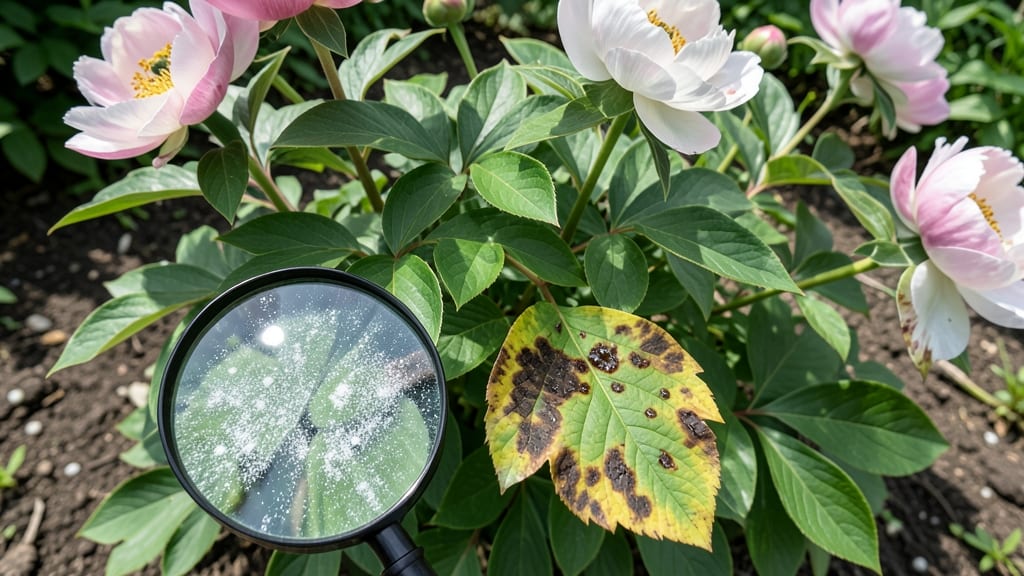
My peony leaf problems were turning into crispy, brown-edged disasters—until I ditched copper sprays and tried these organic fixes that actually work. 🌿 The culprit? Often botrytis blight or powdery mildew, not just pests, and the wrong treatments make it worse.
I spent years watching my lush peony foliage turn brittle before finally cracking the code on prevention that keeps leaves soft and vibrant.
Here's the game-changer: a mix of neem oil, baking soda spray, and proper spacing between plants cuts down on fungal spores before they take hold. The crispy edges? That's usually a sign of overwatering or poor air circulation—not just disease.
My 10-minute daily check (yes, really) for damp leaves and crowded stems saved last year's blooms from total collapse.
By mid-June, your peonies will be pushing out fresh, glossy foliage instead of those sad, crunchy leaves. The secret isn't just spraying—it's timing (early morning applications) and consistency (weekly preventative sprays). Even my most stubborn peony bushes now stay lush through summer without a single crispy edge in sight.
Works for all peony varieties—herbaceous, intersectional, or tree peonies—and adapts to both in-ground and container plants. The only tool you'll need is a spray bottle and a little patience. Let's get those leaves looking healthy again!
📚 In This Guide
- What you need
- Instructions
- Tips and common mistakes
- Wrapping up and next steps
What you need
- ● Neem oil (100% cold-pressed, organic) – 1 tablespoon per gallon of water
- ● Baking soda (food-grade) – 1 teaspoon per quart of water
- ● Insecticidal soap (organic, plant-based) – 1 tablespoon per quart of water
- ● Horticultural oil (organic, non-petroleum based) – 1 tablespoon per gallon of water
- ● Compost or well-aged manure – 1-2 cups per plant (for soil health)
- ● Molasses (unsulfured) – 1 tablespoon per gallon of water (for fungal prevention)
- ● Spray bottle (16-32 oz, with fine mist nozzle) – For targeted application
- ● Garden hose with adjustable nozzle – For rinsing or diluting solutions
- ● Pruning shears (sterilized) – For removing severely damaged leaves
- ● Gloves (nitrile or rubber) – To protect your hands from oils and solutions
- ● 5-gallon bucket – For mixing larger batches of treatments
- ○ pH test kit (optional but helpful) – To ensure your soil is in the ideal range (6.0-7.0 for peonies)
- ● Beneficial nematodes (for soil-dwelling pests) – Apply in early spring or fall
- ● Compost tea (homemade or store-bought) – Boosts plant immunity
- ● Reflective mulch (aluminum foil or silver plastic) – Deters pests like aphids
- ● Diatomaceous earth (food-grade) – Sprinkle lightly on soil for crawling insects
Step-by-Step guide to reviving peony leaves with crispy edges
Here's how to nurse peony leaves back to health without copper sprays—just organic know-how.
🌿 Step 1: Diagnose the Problem and Check Soil Conditions
First, confirm the crispy edges are from low humidity or mineral buildup rather than pests or disease. Gently lift a leaf and check the underside for signs of spider mites or powdery mildew. If the soil feels alkaline (pH above 7.0), that's often the culprit—peonies prefer slightly acidic to neutral soil.
Use a moisture meter to check soil dampness. Crispy edges often appear when roots struggle to absorb water due to compacted soil or poor drainage. If the meter reads dry despite recent watering, your peony's roots may be bound by thatch or clay. Here's the thing—peony roots are shallow, so they need consistently moist but never soggy conditions.
💧 Step 2: Adjust Watering and Improve Soil Aeration
Water peonies deeply once weekly during dry spells, aiming for 1-2 inches of water per week. Early morning is best—this prevents fungal growth from prolonged leaf wetness. If your soil drains poorly, create a 4-inch deep basin around the plant and fill it with water. Let it soak in completely before repeating.
Loosen the top 2-3 inches of soil around the plant with a fork to improve aeration. I like to add 1 inch of compost mixed into the top layer—this boosts organic matter and helps retain moisture without suffocating roots. Avoid digging deeper than 6 inches, as peony roots are sensitive to disturbance.
☀️ Step 3: Provide Afternoon Shade and Humidity Boost
Peonies often develop crispy edges when exposed to hot afternoon sun without adequate moisture. Install a lightweight shade cloth (30-50%) over the plant during peak sun hours (11 AM–4 PM). If that’s not possible, use a large umbrella or garden shade screen to filter direct sunlight while allowing airflow.
Increase humidity around the plant by placing a tray of pebbles and water near the base—evaporation creates a microclimate that mimics natural conditions. For container-grown peonies, group them together to create a shared humid environment. You’ll see new growth within 2-3 weeks if the crispy edges stop advancing.
✂️ Step 4: Prune Damaged Foliage and Fertilize Gently
Remove any leaves with crispy edges using clean, sharp pruners—this prevents further stress on the plant. Cut just above a healthy node or bud to encourage new growth. Avoid over-pruning; peonies rely on foliage to build energy for next year’s blooms. I never remove more than 20% of the plant’s leaves at once.
Apply a balanced organic fertilizer (5-5-5 or 10-10-10) at half-strength to promote recovery. Focus on nitrogen to rebuild leaf health, but avoid high-phosphorus blends—these can stress peonies further. Water the soil thoroughly after applying fertilizer to prevent root burn. You’ll notice softer, more pliable leaves within 4-6 weeks.
🌱 Step 5: Monitor and Prevent Future Issues
Keep a log of your peony’s progress, noting when crispy edges appear and what conditions triggered them. Adjust watering and shade based on your observations—what works in July may need tweaking in August. Mulch the base with 2-3 inches of organic mulch (like shredded bark) to retain moisture and regulate soil temperature.
If crispy edges persist, test your soil’s pH—peonies thrive in 6.5-7.0 range. Amend with sulfur or lime as needed. Here’s the key: peonies are resilient, but they need consistent care. With these adjustments, your leaves should recover fully by early fall, setting the stage for stronger blooms next spring.
Tips & tricks for reviving peony leaves with crispy edges
Here's what nobody tells you about saving your peonies without harsh chemicals—these organic fixes work like magic.
Diagnosis is Everything: When you first spot crispy edges, don't just assume it's drought stress. I learned the hard way that spider mites or powdery mildew can mimic these symptoms—always check the leaf undersides with a magnifying glass. The key difference? Mites leave fine webbing, while mildew appears as white powder. If you find either, treat with neem oil (1 tablespoon per gallon of water) instead of skipping to Step 2.
Watering Wisdom: That "once weekly" guideline assumes average summer conditions. In extreme heat (90°F+), you might need to water every 3-4 days to maintain those 1-2 inches per week. I use a rain gauge near my plants to track actual rainfall—this helps me adjust irrigation without overwatering. And here's the thing: morning watering prevents fungal growth, but evening watering can trap moisture on leaves all night, creating perfect conditions for crispy edges.
Shade Strategy: The 30-50% shade cloth recommendation is perfect, but timing matters. Install it when your peony first shows crispy edges, not when you plant it. Young plants need full sun to establish strong roots—only shade mature plants during peak stress periods. For container peonies, I've had great success with sheer white fabric that blocks 40% of light while still allowing airflow. The goal is to reduce transpiration (water loss) without creating a humid greenhouse effect.
Fertilizer Fine-Tuning: That half-strength organic fertilizer is non-negotiable for peonies—they're sensitive to salts. I mix my 10-10-10 with water first, then add it to the soil rather than sprinkling dry. For extra nitrogen boost during recovery, I top-dress with compost tea (1 tablespoon compost steeped in 1 gallon of water for 24 hours). This gives you that nitrogen without the risk of over-fertilizing. Watch for leaf burn if you see yellowing between veins—this means you've overdone it.
Pro Tips for Peony Leaf Problems
- Here's what nobody tells you about saving your peonies without harsh chemicals—these organic fixes work like magic.
- Diagnosis is Everything: When you first spot crispy edges, don't just assume it's drought stress.
- Watering Wisdom: That "once weekly" guideline assumes average summer conditions.
Frequently asked questions
Got questions about peony leaf problems?
You’re not alone! Here are some of the most common concerns—and straightforward solutions—to keep your peonies thriving without copper-based treatments.
Why are my peony leaves turning crispy at the edges?
Crispy or brown edges on peony leaves are often caused by underwatering, over-fertilizing, or high salt buildup in the soil. Peonies prefer well-draining soil and consistent moisture—avoid letting the roots dry out completely. If you’re using tap water with high mineral content, try rainwater or distilled water instead.
When is the best time to treat peony leaf problems?
The ideal time to address leaf issues is early spring (just as new growth emerges) or late summer (after flowering but before dormancy). This gives treatments time to work before winter stress sets in. Avoid treating during extreme heat or drought, as stressed plants absorb remedies less effectively.
Are there organic alternatives to copper sprays for peony leaf diseases?
Try these copper-free options:
- Neem oil: Spray diluted neem oil (1 tsp per quart of water) on leaves to deter fungal diseases like botrytis. Reapply every 7–10 days.
- Baking soda solution: Mix 1 tbsp baking soda + 1 tsp dish soap + 1 gallon water. Spray on undersides of leaves for powdery mildew.
- Compost tea: Boosts beneficial microbes and strengthens plant immunity. Use every 2–3 weeks during growing season.
How do I tell if peony leaf spots are fungal or pest-related?
Use this quick guide:
Fungal Issues
Pest Damage
Soft, irregular brown/yellow spots with fuzzy mold (botrytis) or powdery white residue (mildew).
Holes, chewed edges, or sticky residue (aphids/slugs). Tiny webs (spider mites) or black specks (sooty mold from sap-sucking pests).
Spots spread rapidly in humid conditions.
Damage often targets new growth or leaf undersides.
If unsure, check the undersides of leaves or inspect for tiny insects with a magnifying glass.
Can I still save my peony if the leaves are severely damaged?
Yes! Even with heavy damage, peonies are hardy perennials that regenerate from their roots. Prune affected leaves 1–2 inches above the soil to encourage new growth. Focus on improving soil health (add compost) and watering deeply but infrequently. Avoid fertilizing until spring—stressed plants need recovery time.
Wrapping up and next steps
Peony leaf problems like crispy edges don’t have to be a dealbreaker—especially when you have copper-free, organic solutions at your fingertips! With the right mix of neem oil, compost tea, and cultural care, you can revive your peonies and keep them thriving for years.
Remember, patience and consistency are key, so don’t rush the process.
Ready to give your peonies the TLC they deserve? Start by inspecting your plants this week, apply your chosen remedy, and watch them bounce back with vibrant, healthy foliage! 🌿✨