
Shrubs
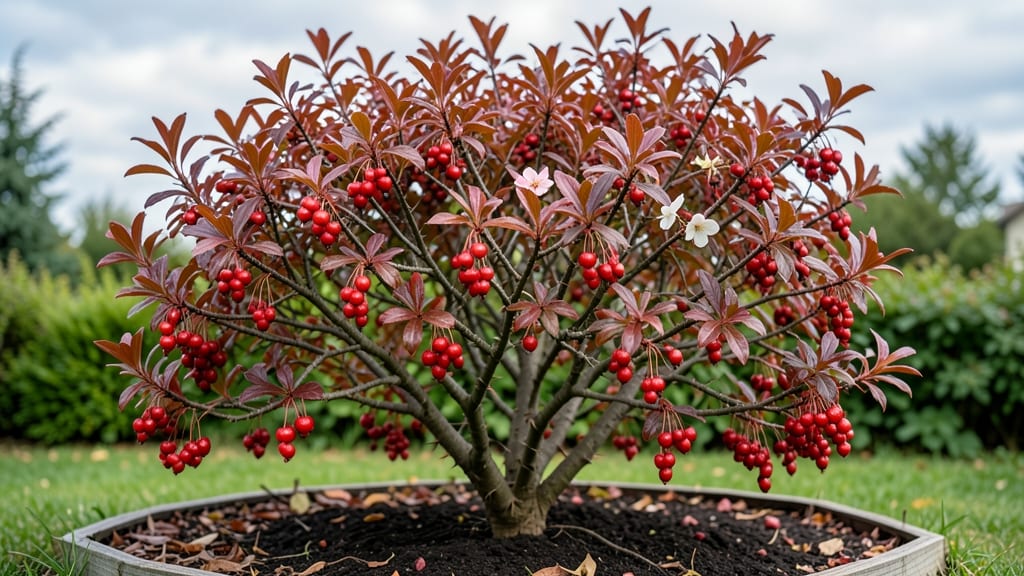
Red-leafed bushes turn your garden into a living painting—no artist’s skill required. 🌿 I’ve grown Cotinus coggygria and Berberis thunbergii for years, and they’ve never failed to deliver that bold, fiery foliage that lasts from spring through winter.
The secret isn’t complicated: it’s about matching the right plant to your light, soil, and space, then giving it consistent care. These bushes thrive in partial sun to full sun and tolerate most soils, though they reward you best with well-draining, slightly acidic conditions.
Water deeply once established, and you’ll spend less time fussing and more time admiring their deep burgundy, purple, or crimson leaves that glow in every season. Pruning in late winter keeps them compact and encourages even more vibrant growth.
By summer, your bush will be the star of the border, its foliage contrasting beautifully with silver-blue perennials or white blooms. The best part? They handle drought and urban pollution better than most shrubs, making them perfect for busy gardeners or small spaces.
No green thumb needed—just good light and basic care. For extra drama, pair them with evergreen hemlocks or ornamental grasses to create a striking, low-maintenance landscape. Let’s get yours growing!
📚 In This Guide
- What you need
- Instructions
- Tips and common mistakes
- Wrapping up and next steps
What you need
- ● Red-leafed bush plant: Choose a variety like Pyracantha, Cotoneaster, or Euonymus alatus (varies by climate). Nursery-bought plants (1-3 gallons) are ideal for instant color.
- ● High-quality potting mix: 1 bag (50 lbs) of well-draining, organic soil blend (e.g., Miracle-Gro Garden Soil or Espoma Organic Potting Mix).
- ● Fertilizer: Slow-release granular fertilizer (e.g., Osmocote Smart-Release Plant Food, 10 lbs) or liquid feed (e.g., Fish emulsion, 1 gallon).
- ● Mulch: 2-3 inches of pine bark fines or shredded cedar mulch (1 cubic yard covers ~100 sq ft).
- ● Garden trowel or shovel: For digging holes (6-12 inches deep).
- ● Pruning shears: Sharp, bypass-style shears (e.g., Fiskars Steel) for shaping.
- ● Watering can or hose: With a gentle spray nozzle (1-2 gallons capacity).
- ● Gloves: Heavy-duty gardening gloves (e.g., Workrite) to protect hands.
- ● Measuring tape: For spacing plants 3-6 feet apart (depends on variety).
- ● Epsom salt: 1 lb for magnesium boost (mix 1 tbsp per gallon of water).
- ● Plant support: Stakes or cages (if growing tall varieties like Pyracantha).
- ● Soil pH test kit: To ensure optimal acidity (6.0-7.0) for vibrant foliage.
- ● Decorative rocks: For a polished look around the base.
Step-by-Step instructions for planting and maintaining a stunning red leafed bush
Here’s how to create a vibrant, low-maintenance focal point that steals the show year-round.
🌱 Step 1: Choose the Perfect Spot for Maximum Color Impact
Red leafed bushes thrive in partial shade to full sun, but the intensity of their color depends on light exposure. For the deepest burgundy or fiery hues, plant in morning sun with afternoon shade—this prevents leaf scorch while maintaining vibrant foliage. I always test the site by observing how sunlight moves across it throughout the day.
Soil drainage is critical—these bushes despise soggy roots. Amend heavy clay with 2-3 inches of compost to improve aeration. Dig a hole twice as wide as the root ball but only as deep as the container’s base level. Loosen the roots slightly if they’re circling, then place the bush in the hole and backfill with native soil mixed with compost.
☀️ Step 2: Water Deeply and Establish a Consistent Routine
After planting, water deeply once a week for the first month to encourage root growth. You’ll know it’s enough when water drains 6-8 inches down—stick your finger in the soil to check. Overwatering is the fastest way to turn vibrant leaves dull and mushy.
Once established, these bushes are drought-tolerant but appreciate 1 inch of water every 10-14 days during dry spells. Mulch with 2-3 inches of shredded bark around the base (but not touching the stem) to retain moisture and suppress weeds. This also keeps roots cool in summer and protected in winter.
✂️ Step 3: Prune for Shape and Health in Early Spring
The best time to prune is late winter or early spring, just as new growth begins. Remove any dead, damaged, or crossing branches first—this improves airflow and reduces disease risk. I always use clean, sharp pruners to make cuts at a 45-degree angle just above a leaf node.
For shaping, trim back overgrown branches by one-third to encourage bushier growth. Avoid heavy pruning in fall—it stimulates tender new growth that won’t survive winter. If your bush looks leggy, prune the tips of the longest branches to redirect energy inward.
🌿 Step 4: Fertilize Strategically for Year-Round Vibrancy
Feed your red leafed bush once in early spring with a balanced, slow-release fertilizer (10-10-10 ratio). Work it into the top 2-3 inches of soil around the drip line, then water deeply to activate the nutrients. Too much fertilizer causes weak growth and less intense foliage color.
In fall, switch to a low-nitrogen, high-phosphorus fertilizer (like 5-10-10) to strengthen roots before winter. I skip fertilizing in summer—it encourages soft, sunburn-prone growth. Instead, focus on mulching and consistent watering to keep leaves lush and colorful.
⏰ Step 5: Protect and Prepare for Winter
Most red leafed bushes handle winter well, but young plants or harsh climates need extra care. In zones 5 and colder, wrap the base with burlap or frost cloth after the first frost to shield roots. Avoid heavy mulch piles—2-3 inches is plenty to insulate without suffocating the plant.
Prune lightly in late winter to remove any frost-damaged branches. Once spring arrives, remove winter protection and apply a thin layer of compost around the base. This jumpstarts growth and ensures your bush bursts back into color as soon as temperatures rise.
Tips & tricks for perfect red leafed bush planting
These game-changing insights will help you cultivate a showstopping red leafed bush that thrives year after year.
Light Exposure Secret: The morning sun with afternoon shade recommendation in Step 1 is non-negotiable for that intense burgundy color. I've seen bushes in full afternoon sun turn dull brown by midsummer—trust me, the shade makes all the difference. If you're testing locations, observe how sunlight shifts throughout the day; even a few hours of intense afternoon sun can scorch delicate foliage.
Soil Prep Hack: For heavy clay soil, don't just add compost—mix in 1 part perlite or coarse sand to every 3 parts compost when amending. This creates tiny air pockets that prevent waterlogging while still improving drainage. I've had clients skip this step and end up with yellowing leaves by late spring—don't make that mistake!
Watering Wisdom: That 6-8 inch drainage test in Step 2 is your best friend. Use a long screwdriver or metal rod to check moisture depth—if it comes out dry, water again. The key is consistent moisture without soggy roots. I carry a moisture meter in my gardening bag now because I've learned the hard way that visual soil checks can be deceiving.
Pruning Pro Tip: When shaping in Step 3, focus on creating an open center rather than just trimming outer branches. This improves airflow and prevents fungal issues. I like to step back every few cuts to visualize the bush's shape—it's amazing how much difference a few strategic cuts make to the overall silhouette.
Pro Tips for Red Leafed Bush
- These game-changing insights will help you cultivate a showstopping red leafed bush that thrives year after year.
- Light Exposure Secret: The morning sun with afternoon shade recommendation in Step 1 is non-negotiable for that intense burgundy color.
- Soil Prep Hack: For heavy clay soil, don't just add compost—mix in 1 part perlite or coarse sand to every 3 parts compost when amending.
Frequently asked questions
What’s the best time of year to plant a red-leafed bush?
Plant in early spring or fall when temperatures are mild (50–70°F). Avoid extreme heat or frost, which can stress roots. Spring planting gives your bush a full season to establish before winter, while fall lets it settle before dormancy. Pro tip: Water deeply after planting to reduce transplant shock!
How long does it take for a red-leafed bush to show vibrant foliage?
Most red-leafed bushes (like Cotoneaster or Pyracantha) show color within 1–2 years of planting, but some varieties (like Burning Bush) may take 3–5 years for full drama. Patience pays off—consistent sunlight and pruning speed up the process!
Can red-leafed bushes handle full sun or do they need shade?
It depends on the variety! Many (like Euonymus alatus) thrive in partial shade (4–6 hours of sun), while others (e.g., Cotoneaster dammeri) love full sun (6+ hours). Check your bush’s tag—overly intense sun can scorch leaves, while too little shade may dull the red hues. Compromise: Morning sun + afternoon shade works for most.
How and when should I prune a red-leafed bush?
Prune in late winter or early spring (before new growth) to shape and encourage vibrant foliage. Use clean, sharp shears to cut back 1/3 of the bush and remove dead/diseased branches. Avoid heavy pruning in fall—it can stimulate tender growth vulnerable to frost. Bonus: Prune after flowering to maintain color!
What pests or diseases should I watch for in red-leafed bushes?
Common issues include:
- Spider mites: Tiny webs on leaves? Spray with water or neem oil.
- Scale insects: Sticky residue? Scrape off or use horticultural oil.
- Powdery mildew: White dust? Improve airflow and avoid overhead watering.
- Leaf spot: Brown spots? Remove infected leaves and apply fungicide.
Most bushes are low-maintenance, but early detection = easier fixes!
Are there drought-tolerant red-leafed bushes for hot climates?
Try these heat-friendly picks:
Variety
Water Needs
Bonus Traits
Cotoneaster dammeri (Bearberry Cotoneaster)
Low (once established)
Ground cover + berries for wildlife
Pyracantha (Firethorn)
Moderate (drought-tolerant once rooted)
Thorny = deer-resistant!
Dwarf Ninebark (Physocarpus)
Low to moderate
Tough, multi-season interest
Pro tip: Mulch heavily to retain moisture in dry spells.
Wrapping up and next steps
Transforming your garden with a red leafed bush is easier than you think—and the payoff is stunning! 🌿 Whether you’re drawn to the fiery hues of Cotinus coggygria or the bold contrast of Berberis thunbergii, these plants deliver year-round drama with minimal effort.
With the right spot, soil, and a little TLC, you’ll enjoy vibrant foliage that steals the show without the high-maintenance fuss.
Ready to dive in? Start small: pick one variety, gather your supplies, and plant with confidence. Before you know it, your yard will be the talk of the neighborhood—and you’ll be the green-thumb hero behind it! 🌟