
Vegetables
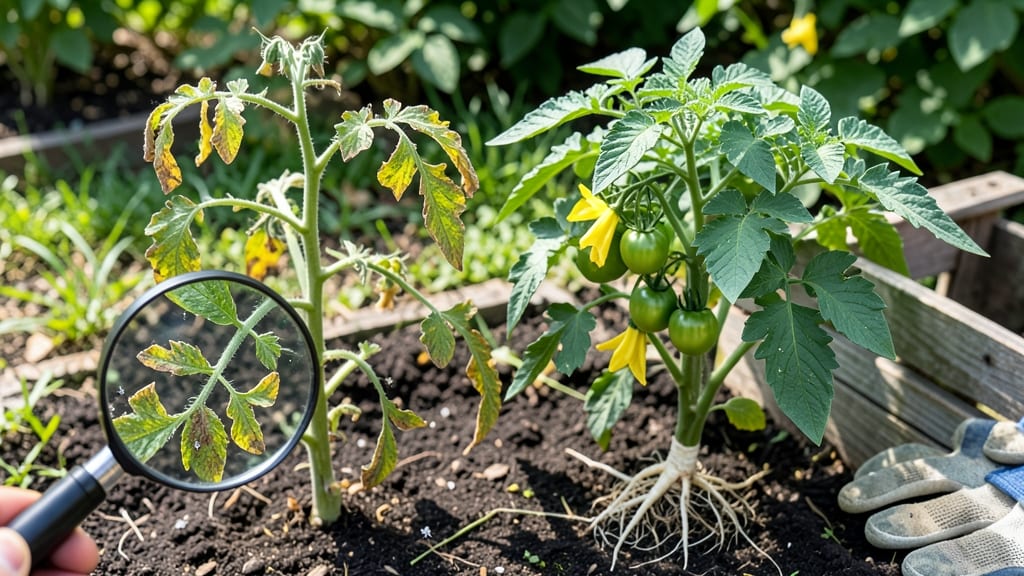
Your tomato plants are developing crispy-edged, stunted leaves—that’s little leaf syndrome, and copper spray is the game-changer you need. 🌱 I’ve seen this bacterial nightmare ruin entire harvests, but a few targeted sprays and psyllid control can turn things around.
The key is catching it early before the bacteria spread through your entire garden.
This syndrome starts with tiny, yellowing leaves that curl at the edges, giving that telltale "crispy" look. The real culprit? Bacteria spread by psyllids, those tiny jumping insects that turn your plants into bacterial super-spreaders.
Once infected, there’s no cure—only damage control. But with copper sprays, neem oil, and proper pruning, you can slow it down and save your remaining plants.
By following the 3-step fix—spraying copper, removing infected foliage, and trapping psyllids—you’ll stop the spread and protect your healthy plants. The results aren’t instant, but within 2-3 weeks, new growth should look normal again. The secret? Consistency. One spray won’t do it—you’ve got to stay vigilant.
Prevention is easier than treatment: choose resistant varieties like ‘Celebrity’ or ‘Mountain Merit,’ and keep psyllids under control with reflective mulch or sticky traps. Once you’ve beaten this once, you’ll spot it early next time—and that’s the real win. Let’s get those tomatoes back on track.
Root Causes Of Tiny Leaves
When your tomato plants start sporting unusually small, cupped, or distorted leaves, it’s often a sign of tomato little leaf syndrome—a frustrating condition that stunts growth and reduces yields.
While copper sprays (like the one we’ll cover later) can help, understanding why this happens is key to preventing it in the first place. Below, we break down the most common culprits, backed by science, so you can tackle the problem at its source.
One of the most common triggers is a virus, particularly the Tomato Leaf Curl Virus (ToLCV) or Tomato Yellow Leaf Curl Virus (TYLCV).
These pathogens are spread by whiteflies (tiny, winged insects that thrive in warm, dry conditions) and can turn your lush tomato foliage into a stunted, brittle mess in weeks.
- How it works: Viruses hijack the plant’s phloem (the vascular tissue that transports nutrients), disrupting hormone signals that control leaf size and shape. This leads to smaller, thicker leaves with upward-curling edges—classic little leaf symptoms.
- Tell-tale signs:
- Leaves are dwarfed (often half the expected size).
- New growth appears cupped or rolled at the edges.
- Plants may show yellowing between veins (a sign of phloem damage).
- Whiteflies or sticky honeydew residue on undersides of leaves.
- Actionable fix:
- 🔥 Remove infected plants immediately—viruses are incurable, and they’ll spread to healthy plants.
- 👨🍳 Use reflective mulch (like aluminum foil) to deter whiteflies.
- 🌡️ Monitor temperatures—whiteflies thrive above 80°F (27°C); use shade cloth if needed.
Tomatoes are heavy feeders, and when their nutrient intake is off, they’ll prioritize survival over growth. The most critical culprits? Nitrogen deficiency or excessive phosphorus, both of which can trigger little leaf symptoms.
| Nutrient Issue | What It Does | How to Fix It |
|---|---|---|
| Low Nitrogen (N) |
Nitrogen is essential for leaf expansion. Without enough, plants produce small, pale, or yellowing leaves while older leaves may stay green but stunted. |
💡 Apply a balanced fertilizer (e.g., 10-10-10) or compost tea. 🌱 Top-dress with blood meal (a fast-acting nitrogen source). |
| High Phosphorus (P) |
Too much phosphorus can lock out other nutrients, especially zinc and iron, leading to distorted, small leaves and poor root development. |
🔥 Flush soil with water to leach excess phosphorus. 🎯 Test soil pH—phosphorus availability spikes in acidic soil (pH < 6.0). |
| Zinc or Iron Deficiency |
These micronutrients are vital for cell division. Deficiencies cause small, thick leaves with interveinal chlorosis (yellowing between veins). |
🌡️ Apply chelated zinc or iron (e.g., zinc sulfate or iron EDTA). 🥗 Use compost or worm castings for slow-release micronutrients. |
Tomatoes are warm-season plants, but when temperatures swing too high or too low, their growth processes shut down, leading to stunted, little leaves.
- Heat Stress (Above 90°F / 32°C):
- High temps disrupt photosynthesis and hormone production, causing leaves to curl and shrink.
- Plants may also drop flowers (leading to poor fruit set).
- Cold Stress (Below 50°F / 10°C):
- Cold slows cell division, resulting in small, dark green leaves.
- Young plants are most vulnerable—they may never recover normal growth.
- Actionable fixes:
- 🌡️ Use shade cloth (30-50%) during heatwaves.
- ⏰ Plant in spring or fall to avoid extreme temps.
- 🥗 Mulch heavily to regulate soil temperature.
Water is the lifeblood of tomato plants, and inconsistent moisture levels can severely stunt growth. Both drought stress and overwatering can trigger little leaf symptoms by disrupting nutrient uptake.
- Drought Stress:
- When soil dries out, roots can’t absorb water or nutrients, causing small, crispy leaves.
- Plants may also drop buds and stop growing.
- Overwatering:
- Excess water drowns roots, cutting off oxygen and leading to root rot.
- Rotten roots can’t support the plant, resulting in stunted, yellowing leaves.
- Actionable fixes:
- 💡 Water deeply but infrequently—aim for 1-1.5 inches per week.
- 🌱 Use drip irrigation to keep soil consistently moist without soggy roots.
Fixing Warped Tomato Leaves Naturally
Now that you know the root causes behind tomato little leaf syndrome—whether it’s nutrient imbalances, pests, or environmental stress—it’s time to turn things around. The good news? Most fixes are simple, cost-effective, and don’t require a green thumb.
Below, we’ve mapped out practical solutions tailored to each common trigger, plus prevention tips to keep your plants thriving.
If your tomatoes are showing signs of copper, zinc, or nitrogen shortages, the fix starts with a soil check and targeted amendments.
🔥 Copper Deficiency Fix
- Copper spray (fastest cure): Mix 1 tsp copper sulfate in 1 gallon of water and spray foliage (avoid overuse—too much copper is toxic).
Apply in the early morning or evening to prevent leaf burn. 🌿 - Organic boost: Use copper fungicides labeled for edibles or seaweed extract (rich in trace minerals). - Prevention: Test soil pH (aim for 6.0–6.8). High pH locks out copper—add sulfur or peat moss to lower it.
🍳 Zinc or Nitrogen Shortage Fix
- Zinc: Sprinkle zinc sulfate (½ tsp per gallon of water) on soil or leaves.
Repeat every 2–3 weeks if needed. - Nitrogen: Feed with compost tea, fish emulsion, or a balanced 10-10-10 fertilizer (follow label rates). Avoid overdoing it—too much nitrogen causes leafy growth but fewer tomatoes! 🍅 - Prevention: Rotate crops (don’t plant tomatoes in the same spot yearly) and mulch to retain nutrients.
If aphids, spider mites, or whiteflies are sucking the life out of your plants, act fast with these non-toxic tactics.
🥘 Mechanical Removal (Best First Step)
- Blast pests off with a strong spray of water (early morning works best).
- Handpick large infestations—drop bugs into soapy water to kill them.
- Yellow sticky traps catch flying pests like whiteflies. Place near plants.
🔪 Natural Sprays (Safe & Effective)
- Neem oil spray: Mix 1 tbsp neem oil + 1 tsp mild soap + 1 quart water. Spray every 5–7 days until pests vanish.
(Test on a few leaves first to check for sensitivity.) - Insecticidal soap: Spray directly on pests (avoid hot sun—it burns leaves). - Garlic/chili pepper spray: Blend 2 garlic cloves + 1 tbsp cayenne + 1 quart water, strain, and spray. Pests hate the smell! 🌶️
🐝 Encourage Beneficial Bugs
- Ladybugs, lacewings, and parasitic wasps eat aphids. Buy them online or attract them with dill, fennel, or marigolds as companion plants.
Heatwaves, drought, or poor airflow can stunt tomato growth. Here’s how to cool things down and improve airflow:
⏰ Watering & Heat Management
- Deep watering: Water early in the day (1–2 inches per week) to prevent stress.
Use drip irrigation to keep leaves dry (fungus risk!). - Shade cloth: If temps hit 90°F+, drape 30–50% shade cloth over plants for a few hours daily. - Mulch heavily: Straw or wood chips retain moisture and cool roots.
💨 Improve Airflow
- Space plants 18–24 inches apart (crowding = humidity = disease).
- Prune suckers & lower leaves to allow airflow (bonus: fewer hiding spots for pests).
- Use fans: A gentle oscillating fan on low can reduce heat stress and deter pests.
Stop little leaf syndrome before it starts with these proactive habits:
- 🌱 Soil prep: Amend soil with compost + kelp meal before planting for mineral-rich growth.
- 🎯 Crop rotation: Avoid planting tomatoes (or nightshades like peppers) in the same spot for 3+ years.
- 🔥 Early pest patrol: Inspect leaves weekly—catch pests before they multiply!
- 🌡️ Climate control: Choose heat-tolerant varieties (like ‘Solar Fire’ or ‘Heatmaster’) if you live in a hot zone.
- ✨ Companion planting: Grow basil, marigolds, or onions nearby—they repel pests and improve flavor!
Final Note: Most cases of tomato little leaf syndrome reverse within 2–4 weeks with the right care. If symptoms persist, test your soil for heavy metal toxicity (rare but possible with contaminated amendments). Happy growing—your crispy, juicy tomatoes are waiting! 🍅✨
Frequently asked questions
Can tomato little leaf syndrome spread to other plants in my garden?
Yes, it can spread quickly! This bacterial disease is often transmitted by psyllids (tiny jumping insects) that move between plants. Once infected, there's no cure—only removal of affected plants and strict pest control. Isolate new plants for 2 weeks to monitor for symptoms before introducing them to your garden.
How often should I apply copper spray for little leaf syndrome?
Apply copper spray every 7-10 days for 3-4 weeks to see results. Mix 1 tsp copper sulfate per gallon of water and spray in the early morning or evening to avoid leaf burn. Stop if new growth appears normal—overuse can damage plants.
Will pruning help my tomato plants recover from little leaf syndrome?
Yes, but focus on removing only infected leaves—never prune healthy growth. Cut back 1/3 of the plant's foliage to redirect energy to new, healthy leaves. Always sterilize pruners with rubbing alcohol between cuts to prevent spreading bacteria.
Can I still harvest tomatoes from infected plants?
Only harvest fully ripe tomatoes from infected plants—green or partially ripe fruit may contain bacteria. Wash all produce thoroughly before eating. For next season, remove all plant debris and rotate crops to break the disease cycle.
What's the difference between little leaf syndrome and nutrient deficiency?
The key difference is leaf edges: little leaf syndrome causes crispy, curled edges while nutrient deficiencies (like nitrogen) produce uniformly small leaves without curling. Also, little leaf is spread by insects, while deficiencies are soil-based.