
Plants
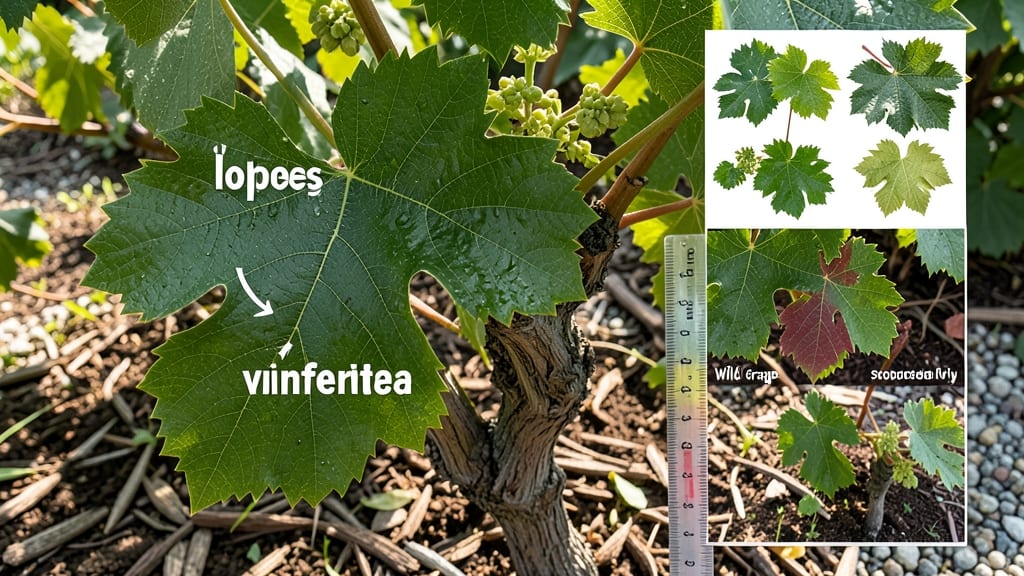
Mastering vine identification by leaf saves you from costly mistakes—and possibly poison ivy rashes. 🌿 I’ve spent years untangling vines in my garden, and the leaf is always the first clue.
A single glance at the edges, veins, or arrangement tells you whether it’s a harmless morning glory or an invasive kudzu monster.
The secret lies in three key details: leaf edges (smooth, lobed, or serrated), vein patterns (parallel or branching), and how leaves attach to the stem. Poison ivy’s classic "middle leaflet" or grapevine’s five-pointed lobes become obvious once you know what to look for.
I’ll show you how to spot these traits fast, even without a field guide.
You’ll learn to name vines instantly—from edible passionfruit to toxic black nightshade—using just your phone’s camera. No more guessing games that lead to accidental poisonings or garden takeovers. The right ID means better pruning, safer kids’ play areas, and even edible harvests.
Works for backyard vines, wild patches, or container climbers. Here’s how to decode any leaf like a pro—no botany degree required.
Leaf Traits Shape Vine Identity
When it comes to vine identification by leaf, nature’s design plays a pivotal role. The unique features of leaves—like shape, arrangement, edges, and texture—are the result of evolutionary adaptations and genetic programming. Here’s why these traits matter so much in telling vines apart:
Every vine’s leaves are a direct reflection of its genetic code. Plants inherit specific traits from their parents, dictating whether their leaves will be lobed, serrated, smooth, or compound. For example:
- Grapevines (Vitis spp.) have palmately lobed leaves with 3–7 pointed tips, a trait hardwired into their DNA for optimal sunlight capture.
- Poison ivy (Toxicodendron radicans) produces leaves with three glossy leaflets due to a genetic mutation that enhances toxin production (a defense mechanism).
- Wisteria (Wisteria spp.) grows pinnately compound leaves with 9–19 leaflets, a feature tied to its climbing habit and need for efficient photosynthesis.
These patterns are consistent because they’ve been selected for survival over millennia. If a vine’s leaves didn’t serve a purpose—like repelling herbivores or conserving water—the species wouldn’t thrive.
Leaves aren’t just about genetics—they’re also shaped by their environment. Vines in different climates develop distinct leaf traits to adapt:
| Factor | Leaf Adaptation | Example Vines |
|---|---|---|
| 🌞 Sunlight Exposure | Thicker, waxier, or smaller leaves to reduce water loss. | Morning glory (Ipomoea spp.), bougainvillea (Bougainvillea spp.). |
| 💧 Humidity Levels | Larger, thinner leaves in wet climates; smaller, leathery leaves in dry areas. | Honeysuckle (Lonicera spp.) vs. cactus vines (Selenicereus spp.). |
| 🐛 Herbivore Threats | Spiky, hairy, or toxic leaves (e.g., stinging nettle or poison oak). | Virginia creeper (Parthenocissus quinquefolia) has soft lobes but grows in clusters to deter grazing. |
Pro Tip: 🌡️ If a vine’s leaves suddenly change shape (e.g., curling or shrinking), it could signal stress—check for pests, disease, or nutrient deficiencies!
Some vines use leaf patterns to blend into their surroundings or warn predators. Here’s how:
- Mimicry: The Virginia creeper resembles poison ivy at a glance, deterring animals from eating it.
- Toxicity Signals: Poison hemlock (Conium maculatum) has jagged, fern-like leaves that visually signal danger to herbivores.
- Light Optimization: Passionflower (Passiflora) leaves have deep lobes to maximize sunlight in dense forests.
These adaptations aren’t random—they’re the result of natural selection. Over time, vines with the most effective leaf designs survive and reproduce, passing those traits to future generations.
Understanding these scientific roots makes vine ID by leaf far easier. Next time you spot a vine, ask: “What’s this leaf trying to tell me?” The answer might just unlock its identity!
Quick fixes for vine leaf confusion
Now that you know the common pitfalls in vine identification by leaf, let’s tackle them with practical, step-by-step solutions. Whether you’re dealing with overlapping species, seasonal changes, or misidentifications, these fixes will sharpen your skills and help you name vines with confidence.
Cause: Some vines (like Virginia creeper and poison ivy) share leaf shapes or textures, making them hard to distinguish at a glance.
Fix:
- Compare leaf arrangement: Check if the leaves grow in clusters (poison ivy) or alternate along the stem (Virginia creeper). A quick stem-trace can reveal the pattern.
- Examine leaf edges: Poison ivy leaves have smooth edges, while Virginia creeper leaves often have jagged, toothed edges.
- Look for berries or tendrils: Virginia creeper produces blue-black berries in fall, while poison ivy does not. Tendrils (thin, twining stems) are common in grapevines but absent in poison ivy.
Prevention Tip: 💡 Carry a small field guide or use a plant identification app (like iNaturalist or PlantNet) to cross-reference your findings before assuming a match.
Cause: Vine leaves can look drastically different in spring (new growth) vs. summer (mature leaves). This makes identification tricky if you’re not accounting for the season.
Fix:
- Focus on consistent features: While leaf shape may shift, the venation pattern (how veins spread) and leaf attachment (opposite, alternate, or whorled) often stay the same.
- Check for hairs or glossiness: Some vines (like bittersweet) develop a fuzzy texture in spring that smooths out later. Note these early clues.
- Observe growth habits: Young vines may climb differently (e.g., twining vs. clinging). Pay attention to how they attach to surfaces.
Prevention Tip: ✨ Take photos of vines at different stages of growth and compare them side by side. This builds a mental library of how species evolve over time.
Cause: Beginners often confuse non-native vines (e.g., Japanese honeysuckle) with native ones (e.g., trumpet vine) due to similar leaf structures.
Fix:
- Use the “three-leaf rule” for toxic vines: If a vine has groups of three leaflets (like poison oak), assume it’s dangerous until proven otherwise. Test with a rubber-gloved touch or a vine-safe app before handling.
- Check flower or fruit presence: Many vines are identified by their blooms or berries. For example, trumpet vine has bright orange flowers, while morning glory produces trumpet-shaped blooms.
- Note stem characteristics: Some vines (like kudzu) have hollow stems, while others (like wisteria) are woody and thick. A quick stem squeeze can hint at the species.
Prevention Tip: 🎯 Start with 5-10 common vines in your region and master their key traits before expanding. Over time, patterns will become intuitive.
Cause: Even experts sometimes need a second opinion, especially with rare or hybrid vines.
Fix:
- Use high-resolution photos: Snap clear images of leaves, stems, and any flowers/berries. Include a coin or ruler for scale.
- Try these apps:
- iNaturalist (crowdsourced ID with expert verification)
- PictureThis (AI-powered, great for beginners)
- LeafSnap (specializes in leaf identification)
- Consult local botanical gardens: Many offer free vine ID services or host workshops on regional flora.
Prevention Tip: 📊 Bookmark reliable sources like the USDA Plants Database or Missouri Botanical Garden’s PlantFinder for quick lookups.
Final Pro Tip: 🌱 When in doubt, dig deeper. Vine identification is a skill that improves with practice. Keep a vine journal with sketches, photos, and notes on where you spotted each species. Over time, you’ll start recognizing patterns without needing a guide!
Frequently asked questions
What are the 3 most important leaf features to check first?
Start with leaf shape (lobed, serrated, or smooth), venation pattern (parallel vs. branching), and leaf arrangement (alternate, opposite, or clustered). These three clues narrow down possibilities faster than any other traits. For example, poison ivy’s three leaflets and smooth edges are instant red flags.
How do I tell the difference between Virginia creeper and poison ivy?
Virginia creeper has five leaflets with jagged edges, while poison ivy has three smooth leaflets that grow in clusters. Another clue: Virginia creeper produces blue-black berries in fall, while poison ivy doesn’t. Always remember the rhyme: “Leaves of three, let it be!”
Can I use my phone to identify vines by leaf?
Apps like iNaturalist, PictureThis, or LeafSnap analyze leaf photos and suggest matches. For best results, include a coin or ruler for scale and snap images of both leaves and stems. Avoid blurry photos—clear details make all the difference!
Why do some vines have hairy leaves while others don’t?
Hairy leaves often indicate adaptation to dry climates or defense against pests. For example, bittersweet vine has fuzzy leaves to reduce water loss, while morning glory leaves stay smooth for efficient photosynthesis. In humid areas, hairy leaves are rarer because moisture isn’t a concern.
What’s the fastest way to spot an invasive vine?
Look for aggressive growth habits, like kudzu’s large, lobed leaves that smother everything, or Japanese honeysuckle’s opposite leaf arrangement and red berries. Invasive vines often lack natural predators in new regions, so they spread rapidly. If you see a vine taking over your garden, act fast!