
Pests
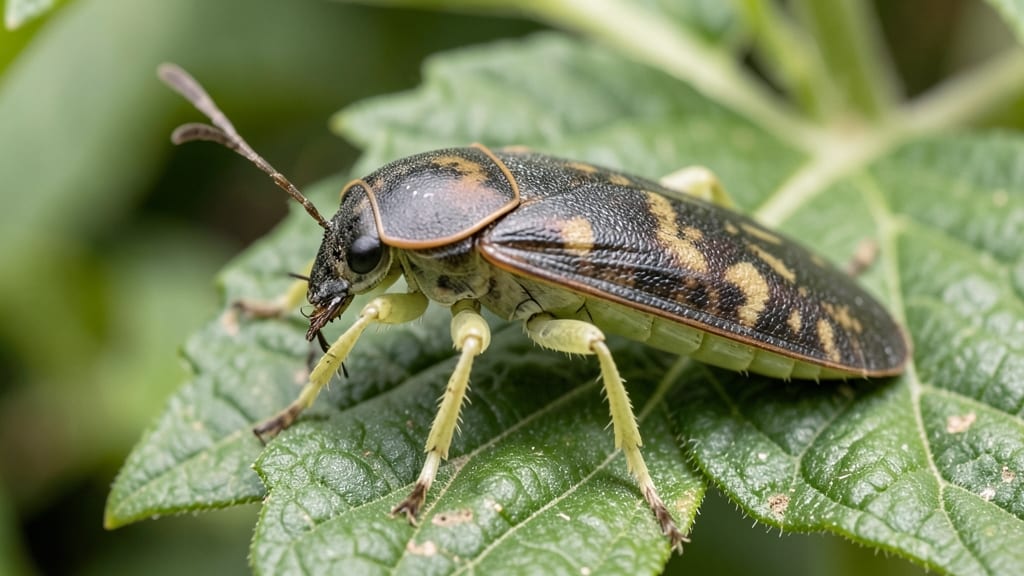
Leaf-footed bugs eat plant sap, fruits, and flowers, attacking over 100 plant species like tomatoes, peppers, citrus, and beans. Their piercing mouthparts damage tissue, causing stunted growth or unsightly scars on leaves and fruit.
These pests are particularly destructive because they target vulnerable plant parts at different life stages. 🌱 Nymphs (the immature form) focus on sap and tender new growth, while adults often go straight for ripe fruit, creating small puncture wounds that can lead to rot.
I've seen entire tomato harvests ruined when adults cluster on green fruit, leaving behind telltale white scars that make produce unsellable. The damage isn't just cosmetic—it weakens plants, making them more susceptible to secondary infections.
What makes them especially tricky is their wide host range. While they love citrus trees and pepper plants, they'll also happily feed on ornamentals like roses and hibiscus.
This adaptability means gardeners can't rely on a single prevention method—they need a layered approach combining physical barriers, regular monitoring, and targeted organic controls.
💡 In This Article
- Common Leaf-Footed Bug Host Plants and Feeding Habits
- Preventing Leaf-Footed Bug Damage in Gardens
Common leaf-footed bug host plants and feeding habits
Leaf-footed bugs show a shocking preference for 100+ plant species, but their feeding patterns change dramatically between nymphs and adults. Nymphs (the immature stage) focus on sap and tender plant tissues, using their needle-like mouthparts to pierce stems and leaves.
This creates tiny feeding scars that disrupt nutrient flow, leading to stunted growth or curled leaves—especially on young plants like tomato seedlings or pepper transplants. The damage often appears as white, raised scars along leaf edges, a dead giveaway of their presence.
Adults, however, become fruit specialists, targeting ripe and nearly ripe produce. Their feeding creates 1/8-inch puncture wounds that can serve as entry points for rot-causing bacteria.
Citrus trees are particularly vulnerable—adults cluster on oranges, lemons, and grapefruits, leaving behind white, calloused scars that make fruit unmarketable. 🌿 In my own garden, I've seen green beans develop blackened, sunken spots within days of infestation, while eggplants show deformed calyxes (the flower base) from nymph feeding.
The key difference lies in their mouthpart mechanics. Both stages use stylets (hollow tubes) to penetrate plant tissue, but adults have stronger muscles to pierce thicker fruit skins. Their saliva contains enzymes that break down plant cells, creating necrotic (dead) tissue around feeding sites.
This explains why tomato blight symptoms often appear after leaf-footed bug activity—their feeding weakens plants, making them more susceptible to fungal infections.
Legumes like peas and soybeans face unique risks because these bugs target seed pods, causing premature shriveling and reduced yields. The bugs prefer warm climates (75-95°F), which is why they thrive in Southern gardens but can become pests in Northern greenhouses during summer months.
Their nocturnal feeding habits make them harder to spot—most damage occurs at dawn and dusk, when they're most active.
What's particularly alarming is their chemical communication. Adults release pheromones that attract others to feeding sites, creating aggregation clusters that can defoliate entire plants in weeks.
This explains why outbreaks often appear sudden and severe—what starts as a few bugs can become a full-blown infestation within 10-14 days if left unchecked. 🐛 The combination of their wide host range and rapid reproduction (females lay 100+ eggs in batches) makes them one of the most challenging garden pests.
Understanding these feeding patterns helps explain why citrus groves and vegetable farms face such devastating losses. For example, a 2018 University of Florida study found that 30% of commercial tomato crops showed leaf-footed bug damage, with 15% of fruit becoming unmarketable due to scarring.
The economic impact isn't just about lost produce—it's also the increased labor costs for manual removal and the reduced shelf life of damaged fruit.