
Pests and Diseases
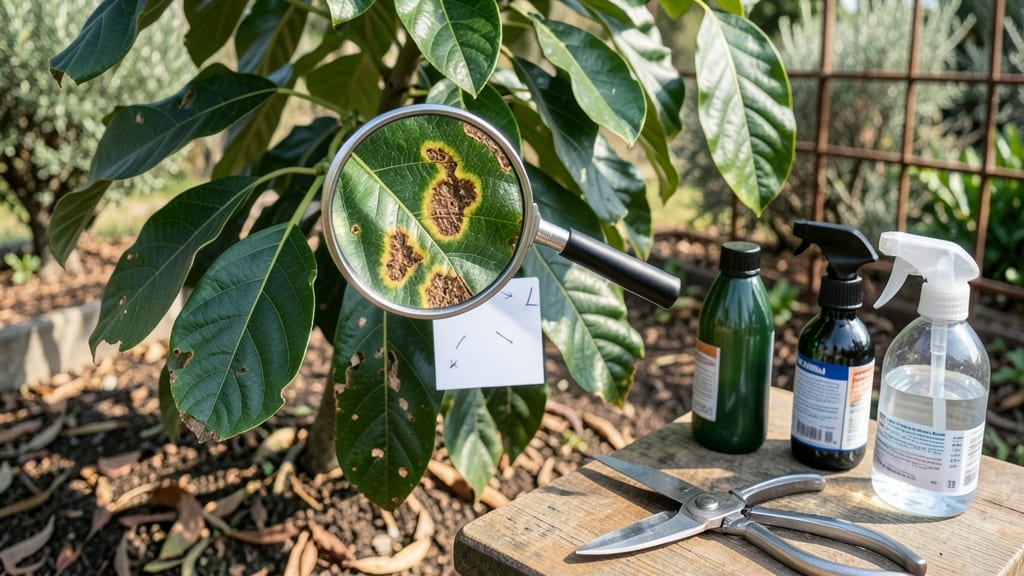
When your avocado tree’s leaves turn yellow with black spots that spread like ink on paper, you’re dealing with leaf spot disease—and copper spray is the most reliable cure. ✨ I’ve battled this fungal nightmare twice, and every time, the right spray saved my trees from looking like they’d been attacked by a sooty thumb.
The key isn’t just spraying; it’s timing, coverage, and preventing the fungus from staging a comeback.
This fungal infection thrives in warm, wet conditions, turning vibrant green leaves into a patchwork of decay. Most gardeners misdiagnose it as nutrient deficiency or pest damage, but leaf spot is distinct: those dark, greasy-looking spots with yellow halos?
That’s your tree’s SOS signal. Copper fungicides disrupt the fungus’s cell walls, stopping the spread in its tracks—but only if applied correctly.
With the right treatment, your tree can bounce back faster than you think. Within 2-3 weeks, new growth emerges with clean, healthy leaves, and the fungus loses its foothold. The secret is consistency: spray preventatively during rainy seasons, and you’ll skip the panic of sudden outbreaks.
My trees now stay lush year-round, and the copper spray becomes a routine, not a last resort.
Works for both organic and conventional growers, though organic copper options take extra vigilance. Whether you’re dealing with a single branch or a full tree, this method saves your harvest—and your sanity. Let’s get those leaves sparkling again.
Why it happens
Avocado leaf spot disease—caused primarily by the fungus Mycosphaerella—isn’t just a random nuisance. It thrives when specific conditions align, turning your lush avocado grove into a battleground of discolored leaves and weakened trees.
Let’s break down the key culprits behind this fungal invasion, so you can outsmart it before it spreads.
🌧️ Excessive Moisture and Humidity
The fungus Mycosphaerella loves damp conditions—think of it as a fungal raincloud waiting to burst. When avocado leaves stay wet for prolonged periods (12+ hours), spores germinate and infect the leaf tissue. This happens most often during:
- Heavy or frequent rainfall: Rain splashes spores onto leaves, creating ideal infection zones. Pro tip: 🌡️ Monitor local weather forecasts and plan copper sprays for 36-48 hours before rain to give the fungicide time to bind to leaves.
- High humidity (above 80%): Stagnant air traps moisture, slowing leaf drying. Avocados in shaded or poorly ventilated areas are especially vulnerable.
- Overhead irrigation: Watering from above mimics rain, spreading spores. Fix: Switch to drip irrigation or soaker hoses to keep foliage dry.
💡 Actionable fix: Prune trees to improve airflow and remove lower branches that trap humidity near the soil.
🍃 Poor Leaf Sanitation and Debris
Fungal spores don’t just float—they hibernate in fallen leaves, mulch, and plant debris. When conditions turn favorable (like after rain), they reanimate and reinfect healthy leaves. Here’s how it happens:
- Infected leaf litter: Spores survive in dead leaves for months, acting as a reservoir for reinfection. Pro tip: 🔥 Remove and destroy (don’t compost!) fallen leaves weekly during rainy seasons.
- Organic mulch buildup: Thick mulch layers trap moisture and spores. Fix: Use wood chips or gravel instead of straw or leaves, and keep mulch 2–3 inches thick.
- Pruning wounds: Cuts or tears in leaves create entry points for spores. Prevent: Sterilize pruners with 70% alcohol or bleach solution (1 part bleach to 9 parts water) between cuts.
🌡️ Temperature and Seasonal Stress
The fungus Mycosphaerella is a cool-weather opportunist. While it can infect year-round, it peaks in spring and fall when temperatures hover between 60–80°F (15–27°C). Here’s why:
- Moderate temps + moisture: Ideal conditions for spore germination. Example: A 70°F (21°C) day followed by overnight dew is a red flag.
- Temperature swings: Rapid shifts (e.g., hot days → cool nights) weaken tree defenses, making leaves more susceptible.
- Drought stress: While drought alone doesn’t cause leaf spot, water-stressed trees recover slower from fungal attacks. Fix: Maintain consistent soil moisture (1–2 inches of water per week) during outbreaks.
🎯 Proactive strategy: Apply copper fungicide preventively in late winter/early spring (before spore release) and fall (as temps drop).
🌱 Weakened Tree Health
A healthy avocado tree is your first line of defense. When trees are nutrient-deficient, root-bound, or pest-stressed, their leaves become easy targets. Common weak spots include:
- Nitrogen deficiency: Yellowing leaves (chlorosis) signal weak cell walls, making them 3x more vulnerable to fungal invasion. Test: Soil pH should be 6.0–7.0; add compost or balanced fertilizer (e.g., 10-10-10) in early spring.
- Root damage: Compaction, girdling roots, or root-knot nematodes reduce water/nutrient uptake, stressing foliage. Solution: Aerate soil annually and rotate crops if growing in containers.
- Pest damage: Insects like avocado lace bugs or mites create wounds that fungal spores exploit. Prevent: Monitor for pests and treat with neem oil or horticultural oil before fungal outbreaks.
✨ Boost immunity: Apply seaweed extract or kelp fertilizer (rich in growth hormones) to stimulate natural defenses.
Fixing Fungal Spots Naturally
Avocado leaf spot disease can feel like a losing battle, but with the right approach, you can restore your tree’s health and prevent future outbreaks. The key is to tackle the problem at its root—literally—by addressing fungal growth, improving air circulation, and strengthening your avocado’s defenses.
Below, we break down practical, actionable solutions tailored to the most common causes of leaf spots, from copper sprays to cultural fixes.
Fungal spores thrive in damp, stagnant conditions, so if your avocado’s leaves are yellowing with dark spots and the soil stays soggy, it’s time to drain the drama.
🔥 Fix It: Adjust Watering & Improve Soil
- Stop the flood: Water only when the top 2–3 inches of soil are dry.
Stick your finger in the soil—if it’s damp, wait. - Upgrade drainage: Amend heavy or compacted soil with perlite, sand, or coconut coir to help water flow freely.
A 5-gallon bucket of amended soil mixed into the root zone works wonders. - Raise the bed: If your tree is in a container, ensure it has drainage holes and elevate it slightly to prevent water pooling. - Mulch smartly: Use wood chips or straw (not plastic) to retain moisture without smothering the roots.
Keep mulch 2–3 inches away from the trunk.
💡 Pro Tip: If your tree is in the ground, consider a soil test to check pH (ideal: 6.0–7.0 for avocados). Poor drainage often goes hand-in-hand with compacted or alkaline soil.
Copper-based fungicides are the gold standard for avocado leaf spot, but you can also use organic alternatives if you prefer a gentler approach.
🍳 DIY Copper Spray Recipe (Fastest Fix)
- Mix: Combine 1 tablespoon copper sulfate (or copper hydroxide) with 1 gallon of water. Add a drop of dish soap as a sticker to help the spray adhere.
- Apply: Spray thoroughly on both sides of leaves, stems, and even the soil around the base. Focus on new growth where spores love to hide.
- Repeat: Reapply every 7–14 days until new leaves emerge without spots.
Store leftover mix in a dark bottle (copper degrades in sunlight).
🌡️ Safety First: Wear gloves and avoid spraying on windy days—copper can harm beneficial insects like bees.
🌿 Organic Alternatives
- Neem oil spray: Mix 1 tablespoon neem oil + 1 teaspoon mild soap + 1 quart water. Spray at dusk to avoid burning leaves.
Reapply weekly. - Baking soda solution: For light infections, try 1 teaspoon baking soda + 1 quart water + a few drops of oil (to help it stick).
Test on a small leaf first—some avocado varieties are sensitive. - Compost tea: A weekly foliar spray of homemade compost tea (steep compost in water for 24 hours, strain) can boost plant immunity.
Fungal spores hitchhike on air and leaves, so if your avocado is in a shady, humid, or overcrowded spot, it’s an open invitation for disease.
✂️ Prune for Better Airflow
- Thin out branches: Remove crossing or dense growth to let sunlight and air circulate.
Aim for a vase-like shape with open centers. - Space out trees: If growing multiple avocados, keep them 10–15 feet apart (or in containers with room to grow). - Clean up debris: Rake up fallen leaves and fruit—these are fungal hotspots.
Compost them away from the tree or burn them.
🎯 Prevention Tip: Install a small fan on a low setting near the tree (if indoors or in a greenhouse) to reduce humidity around leaves.
A healthy tree fights off spots better. Focus on nutrition and stress reduction.
💪 Boost with Fertilizer
- Balanced NPK: Use a 10-10-10 or 6-6-6 fertilizer in early spring and summer. Avoid high-nitrogen fertilizers (like lawn food)—they promote soft, spot-prone growth.
- Micronutrients: Avocados love zinc and manganese.
A chelated micronutrient spray (like Sea90) can help if leaves show interveinal chlorosis (yellowing between veins). - Avoid overfeeding: Too much fertilizer weakens roots, making trees more susceptible to disease.
🍎 Stress-Proof Your Tree
- Water deeply but less often: Deep watering encourages strong roots that resist fungal invasion.
- Mulch properly: Wood chips or straw (not plastic) help retain moisture while preventing soil-borne fungi from splashing onto leaves.
- Watch for pests: Mites and scale weaken trees, making them prime targets for leaf spot.
Treat with horticultural oil if needed.
If 50%+ of leaves are spotted and wilting, act fast:
- Prune infected leaves with sterilized shears (wipe with rubbing alcohol between cuts).
- Apply copper spray immediately (as above).
- Isolate the tree if possible—fungal spores spread fast to nearby plants.
- Consider a systemic fungicide (like myclobutanil) for severe cases, but use as a last resort (follow label instructions).
✅ Monitor weekly: Check leaves underneath (spots often start there). ✅ Rotate sprays: Alternate between copper, neem, and baking soda to prevent resistance. ✅ Plant resistant varieties: If possible, choose avocado types like Hass or Fuerte, which are less prone to leaf spot. ✅ Sanitize tools: Always clean pruners with bleach (1 part bleach to 9 parts water) between trees.
Remember: Consistency is key. Leaf spot won’t vanish overnight, but with proactive care, your avocado can bounce back—and stay spot-free for years. 🌿✨
Frequently asked questions
What do avocado leaf spot symptoms look like?
Leaf spot starts with small, dark brown or black spots surrounded by yellow halos. As it progresses, spots enlarge and may merge, creating greasy-looking patches. Infected leaves often yellow and drop prematurely. The undersides of leaves are where spots first appear, so check there carefully.
Can I use vinegar as a home remedy for leaf spot?
No, vinegar is not effective against fungal leaf spot diseases. While it may kill some surface microbes, it won't penetrate the fungal structure. Copper-based sprays or neem oil are far more reliable. For organic options, stick to baking soda solutions or compost tea instead.
How often should I apply copper fungicide?
Apply copper spray every 7-14 days during active outbreaks, then switch to monthly applications for prevention. Always spray before rain (36-48 hours ahead) to allow the copper to bind to leaves. Store leftover spray in a dark container since sunlight degrades copper compounds.
Will removing infected leaves stop the spread?
Yes, but it's only part of the solution. Remove all infected leaves and destroy them (don't compost) to eliminate spore sources. However, spores can survive in soil and debris, so combine pruning with copper spray treatments and improved airflow for complete control.
Is avocado leaf spot contagious to other plants?
Yes, the fungus can spread to nearby plants through water splashing, wind, or contaminated tools. Isolate infected trees during treatment and sterilize pruners with rubbing alcohol between cuts. The same fungus may also affect other tropical plants like citrus or mango trees in your area.