
Pests and Diseases
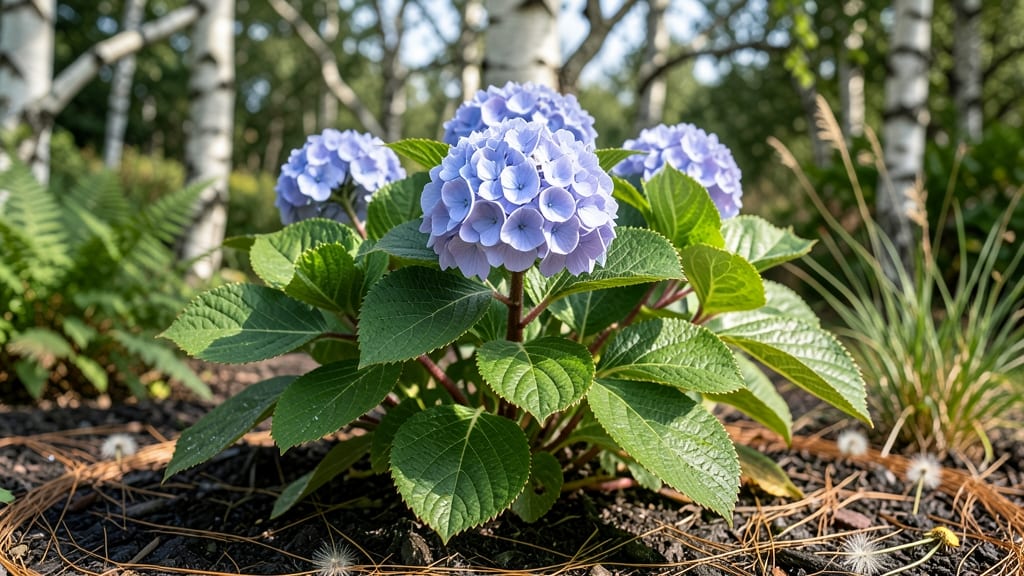
You can identify hydrangea by leaf pictures—leaf by leaf. 🌿 That lush green bush with big leaves could be one of 15 distinct varieties, and I’ll show you exactly how to tell them apart by their foliage alone.
The secret lies in leaf shape, edges, and size: smooth-edged oakleaf hydrangeas vs. jagged hydrangea macrophylla, or the broad, rounded leaves of Annabelle vs. the narrower panicle types. Even the way they grow—upright, spreading, or trailing—gives clues.
By late spring, when leaves are fully formed, you’ll spot differences in texture (some fuzzy, some glossy) and even vein patterns. A quick photo comparison with your plant will reveal its true identity in minutes. Works for gardeners at any stage—no botany degree needed. Let’s decode your hydrangea’s leaf language!
Understanding Leaf Changes
Hydrangeas are prized for their stunning blooms, but their leaves can reveal a lot about the plant’s health—or its struggles. If your hydrangea’s leaves look anything but lush, the culprit is often one of these common issues.
Let’s break down why leaf problems occur and what’s really going on beneath the surface.
Hydrangeas thrive in specific conditions, and when those needs aren’t met, leaves react fast. Here’s what’s likely stressing your plant:
💧 Watering Woes: Too Much or Too Little
Hydrangeas love moisture but hate soggy roots or drought. Overwatering leads to:
- Yellowing leaves (chlorosis) due to poor oxygen uptake.
- Brown, crispy edges from root rot blocking nutrient flow.
- Drooping foliage as roots suffocate.
Underwatering, on the other hand, causes:
- Wilting, dry leaves that curl inward to conserve moisture.
- Premature leaf drop as the plant conserves energy.
- Stunted growth from lack of hydration for photosynthesis.
Actionable fix: Water deeply 1–2 times per week (more in heatwaves), ensuring soil drains well. Test moisture by sticking your finger 2 inches into the soil—if it’s dry, water; if soggy, hold off.
☀️ Sunburn and Heat Shock
Hydrangeas prefer partial shade (4–6 hours of sun). Too much direct sunlight can:
- Bleach leaves (white or yellow patches) from UV damage.
- Cause leaf scorch (brown, papery edges) in hot afternoons.
- Stunt flowering as the plant focuses on leaf protection.
Actionable fix: Move potted hydrangeas to dappled shade or use shade cloth (30–50%) for outdoor plants. Mulch around the base to retain moisture and cool roots.
❄️ Temperature Extremes: Cold or Wind Damage
Frost-sensitive hydrangeas (especially tropical varieties like Hydrangea macrophylla) suffer when temps drop below 20°F (-6°C).
Signs include: - Blackened or mushy leaves from ice crystal formation. - Brown, brittle edges from desiccation (windburn). - Delayed spring growth as damaged cells struggle to recover.
Actionable fix: Cover plants with frost cloth in winter. For wind exposure, plant near a windbreak (like a fence or hedge) or use burlap wraps.
Leaves aren’t just reacting to environment—they’re under siege. Here’s how pests and pathogens hijack your hydrangea’s health:
🐜 Sap-Sucking Insects: Aphids, Spider Mites, and Scale
These tiny vampires drain plant sap, causing:
- Sticky honeydew (a sign of aphids or scale).
- Yellow stippling (tiny white dots from spider mites).
- Curled or distorted leaves as the plant weakens.
Actionable fix:
- Blast off pests with a strong spray of water (disrupts their grip).
- Use neem oil (1 tsp per liter of water) or insecticidal soap weekly.
- Introduce predator bugs like ladybugs or lacewings for natural control.
🍄 Fungal Infections: Powdery Mildew and Leaf Spot
Fungi love hydrangeas—especially in humid, stagnant conditions. Watch for:
- White powdery coating (powdery mildew) on upper leaves.
- Brown spots with yellow halos (leaf spot disease) that spread fast.
- Premature leaf drop as the plant sheds infected foliage.
Actionable fix:
- Improve airflow by pruning dense growth or spacing plants 3–4 feet apart.
- Apply fungicide (baking soda spray: 1 tbsp baking soda + 1 tsp soap per gallon of water).
- Water at the base (not overhead) to keep leaves dry.
🦟 Bacterial Leaf Spot: The Silent Killer
Bacteria (Pseudomonas syringae) cause greasy, water-soaked spots that turn brown and ooze. Unlike fungi, bacteria spread via:
- Rain splashes or contaminated pruning tools.
- Overhead irrigation (keep sprinklers away!).
Actionable fix:
- Remove infected leaves immediately and sterilize tools with rubbing alcohol.
- Avoid wet foliage—water early in the day so leaves dry by evening.
- Use copper fungicide as a preventive spray.
Hydrangeas are heavy feeders, and poor soil leads to tell-tale leaf symptoms. Here’s how to decode their SOS signals:
| Symptom | Likely Cause | Quick Fix |
|---|---|---|
| Yellow leaves (new growth) | Nitrogen deficiency | Apply balanced fertilizer (10-10-10) or compost. |
| Purple or red stems/leaves | Phosphorus deficiency | Use bone meal or a high-phosphorus fertilizer (5-10-10). |
| Yellow between veins (chlorosis) | Iron or magnesium deficiency | Apply chelated iron or Epsom salt (1 tbsp/gallon of water). |
| Small, pale leaves | Potassium deficiency | Use a banana peel tea or potassium sulfate. |
Pro tip: Test your soil (pH 5.2–6.0 for blue/pink hydrangeas; 6.0–7.0 for greens/whites). Adjust with sulfur (to lower pH) or lime (to raise it).
Even well-meaning gardeners can trigger leaf problems with:
- Pruning at the wrong time (cutting back in late summer/fall removes next year’s blooms).
- Using contaminated tools (spreading disease from plant to plant).
- Over-fertilizing (burns roots, causing yellowing or leaf drop).
Actionable fix:
- Prune in early spring (after blooms fade) or late winter.
- Sterilize shears with rubbing alcohol between cuts.
- Follow the 1/3 rule: Never remove more than 1/3 of the plant in one season.
Quick Fixes for Leaf Issues
When your hydrangeas show signs of distress through their leaves, acting fast can save the plant—and your sanity! Below, we’ve mapped common problems to practical solutions, including prevention tips to keep your hydrangeas thriving. 🌿💧
Fix:
- Check the Soil 👨🌾
- Stick your finger 2 inches deep into the soil. If it’s soggy, your hydrangea is drowning. Well-draining soil is key—amend with perlite or compost if needed.
- Pro Tip: Hydrangeas hate "wet feet." Ensure pots have drainage holes, and garden beds slope slightly away from the plant.
- Adjust Watering Habits 💧
- Water deeply but infrequently—aim for 1–1.5 inches per week (more in extreme heat). Let the top 1–2 inches of soil dry out between waterings.
- Morning watering reduces fungal risks (like powdery mildew) by letting leaves dry quickly.
- Fertilize Smartly 🌱
- Yellowing from nitrogen deficiency? Use a balanced fertilizer (10-10-10) in spring. For iron deficiency (common in alkaline soils), apply chelated iron or grow in acidic soil (pH 5.2–6.0).
- Avoid over-fertilizing—too much salt can burn roots!
Prevent It:
- Mulch with 2–3 inches of organic mulch (like pine bark) to retain moisture and regulate soil temp.
- Test soil pH annually—hydrangeas are divas about acidity!
Fix:
- Revive the Roots 💦
- Soak the plant with water until it drains from the bottom. For potted hydrangeas, place the pot in a tub of water for 10–15 minutes to rehydrate thoroughly.
- Sign of Hope: Wilted leaves should perk up within 24–48 hours if the roots aren’t dead.
- Flush the Soil 🚰
- Salt buildup (from tap water or fertilizer) causes browning. Flush the soil by watering heavily for 10–15 minutes to leach out excess salts.
- Use rainwater or distilled water if your tap water is hard.
- Trim Damaged Leaves ✂️
- Snip off crispy or brown edges with clean scissors to redirect energy to healthy growth.
Prevent It:
- Water consistently—hydrangeas prefer even moisture over sporadic drinks.
- If using tap water, let it sit out overnight to evaporate chlorine before watering.
Fix:
- Identify the Culprit 🔍
- Slugs/snails? Look for silver trails and holes with smooth edges. Set up beer traps (bury a cup filled with beer) or use copper barriers.
- Japanese beetles? Adults skeletonize leaves—handpick them into soapy water or use neem oil spray.
- Aphids? Tiny green/black bugs clustering on new growth? Blast them off with a strong stream of water or spray insecticidal soap.
- Apply Organic Treatments 🌿 - Neem oil (1 tsp per quart of water + a drop of dish soap) works for mites, aphids, and beetles.
Spray early morning or evening to avoid burning leaves. - Diatomaceous earth (food-grade) kills slugs and beetles by dehydrating them—sprinkle around the base (reapply after rain).
- Encourage Natural Predators 🐞
- Ladybugs and lacewings love aphids. Attract them by planting dill, fennel, or marigolds nearby.
Prevent It:
- Remove debris (like fallen leaves) where pests hide.
- Water in the morning so leaves dry fast—pests love damp foliage!
Fix:
- Fungal Diseases (Like Leaf Spot) 🍄
- Prune infected leaves immediately with sterilized pruners (wipe with rubbing alcohol between cuts).
- Apply copper fungicide or a baking soda spray (1 tsp baking soda + 1 quart water + a drop of soap) every 7–10 days until the problem clears.
- Frost or Cold Damage ❄️
- If leaves turn black and mushy, it’s likely frost damage. Trim back affected stems to healthy green growth.
- Mulch heavily (4–6 inches) before winter to insulate roots.
Prevent It:
- Space plants for airflow to reduce humidity (fungi love damp conditions).
- Avoid overhead watering at night—keep leaves dry.
Fix:
- Provide Shade ☀️
- Move potted hydrangeas to partial shade (especially varieties like Endless Summer) during peak afternoon sun.
- Use shade cloth (30–50%) if relocating isn’t an option.
- Mist Leaves (Temporarily) 💦
- Lightly mist leaves early in the day to cool them down (but avoid evening misting to prevent fungal growth).
- Deep Watering + Mulch 🌱
- Water slowly and deeply (1–2 inches) to encourage deep root growth. Mulch with straw or wood chips to retain moisture.
Prevent It:
- Choose heat-tolerant varieties like ‘Limelight’ or ‘Nikko Blue’ if you’re in a hot climate.
- Water at the base—avoid wetting leaves to reduce evaporation.
| Problem | Quick Fix | Prevention Tip |
|---|---|---|
| Yellow leaves | Test soil pH, fertilize, adjust water | Mulch + annual soil tests |
| Brown edges | Flush soil, deep water, trim damage | Use rainwater, monitor moisture |
| Holes/chewed leaves | Handpick pests, neem oil, beer traps | Clean up debris, plant pest-repelling flowers |
| Black/wilted leaves | Prune infected parts, fungicide | Improve airflow, avoid night watering |
| Heat stress | Shade, mulch, deep water | Pick heat-resistant varieties |
Remember: Hydrangeas are forgiving—most issues are fixable with a little TLC! Start with one solution, monitor progress, and adjust as needed. 🌸 Before you know it, your hydrangeas will be back to their lush, leafy best.
Frequently asked questions
What are the key leaf features to look for when identifying hydrangeas?
Focus on leaf shape (oval, lobed, or serrated), size (smaller leaves like 1–3 inches for oakleaf vs. larger 3–6 inches for macrophylla), and edges (smooth or jagged). Texture matters too—some varieties have fuzzy undersides or glossy tops.
Can I identify hydrangeas by leaves alone, or do I need to see flowers?
You can often identify them by leaves alone, especially if you compare shapes and growth patterns! For example, oakleaf hydrangeas have lobed leaves, while panicle hydrangeas have smoother, elongated ones. Flowers help confirm, but leaves are a great starting point.
What’s the best time of year to take leaf pictures for identification?
Late spring to early summer is ideal when leaves are fully matured but before pests or diseases distort them. Avoid winter (dormant leaves) or fall (when some varieties change color). Bright, overcast days reduce shadows for clearer photos.
How do I tell hydrangeas apart from other shrubs with similar leaves?
Compare with azaleas (smaller, darker leaves with serrated edges) or rhododendrons (leathery, elliptical leaves). Hydrangeas often have larger, softer leaves and a more upright or rounded growth habit. Check for leaf arrangement too—hydrangeas typically have opposite leaves.
What if my hydrangea leaves look healthy but the flowers aren’t what I expected?
Leaf health doesn’t always predict flower color! Some varieties (like Endless Summer) change bloom colors based on soil pH. Test your soil—acidic (pH 5.2–6.0) produces blues/pinks, while alkaline (pH 6.0–7.0) yields greens/whites. Leaves might be fine, but the soil could be tricking you!