
Diseases
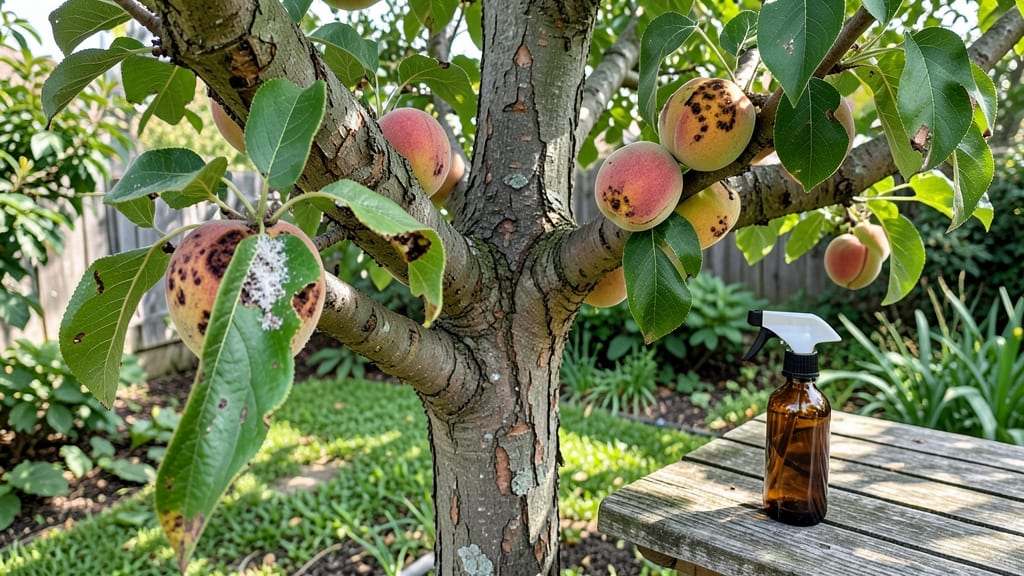
Peach leaf curl turns your tree's spring flush into a sad, puckered mess—unless you catch it early. 🌿 I've seen this disease twist perfectly good leaves into thick, red, curled disasters, and the damage starts before you even notice.
The key to saving your tree? Spotting those first weird bumps and acting fast, before the fungus gets comfortable.
Most peach leaf curl shows up in early spring when the buds start swelling, but brown rot and bacterial spot can strike anytime. The visual clues are your best tools: curled, thickened leaves? Leaf curl.
Tiny brown spots with yellow halos? Bacterial spot. Mushy, rotting fruit? Brown rot. Each one needs a different approach, but the rule is the same—don't wait until the leaves are beyond saving.
With the right spray (copper fungicide for leaf curl, sulfur for bacterial spot) applied at the right time (dormant season for leaf curl, before blooms for others), you can stop these diseases in their tracks.
I've turned around trees that looked doomed just by adjusting my timing and sticking to a simple spray schedule. The payoff? Healthy leaves that photosynthesize properly, stronger branches, and fruit that actually ripens.
Seasonal timing is everything—leaf curl loves winter rains, brown rot thrives in wet springs, and bacterial spot spreads when nights stay damp. A little prevention now means fewer headaches in July when your peaches should be sweet but end up rotting on the tree.
Let's get those leaves looking sharp again.
Underlying Causes of Leaf Troubles
Peach trees are stunning when healthy, but their leaves can quickly become a battleground for fungal invaders, bacterial pathogens, and environmental stressors. Understanding why these issues arise is the first step to preventing them.
Below, we break down the key culprits behind peach leaf diseases—from microscopic enemies to weather-related triggers—so you can take action before your tree’s health declines.
Fungi are the #1 cause of peach leaf diseases, thriving in warm, humid conditions. These pathogens invade leaf tissue, disrupting photosynthesis and causing visible symptoms like spots, blisters, or premature leaf drop.
- Brown Rot (Monilinia fructicola) - Why it happens: This fungus spreads via infected fruit mummies (dried, shriveled peaches) left on the tree or ground.
Spores release in spring, infecting flowers and young leaves. - Key trigger: Wet spring weather (rain + temps between 60–80°F) creates the perfect breeding ground. - Actionable insight: Remove and destroy infected fruit in fall and winter to starve the fungus.
- Leaf Spot Diseases (Alternaria, Cercospora, Cladosporium) - Why it happens: These fungi exploit weakened leaves, often entering through wounds or natural openings.
Overhead irrigation or frequent leaf wetness accelerates spread. - Key trigger: Poor air circulation (dense foliage) + high humidity (70%+). - Actionable insight: Space trees properly (12–15 ft apart) and water at the base (not overhead) to reduce fungal slime buildup.
- Powdery Mildew (Podosphaera oxycanta)
- Why it happens: Unlike other fungi, powdery mildew doesn’t need water—it thrives in dry conditions with high humidity fluctuations (e.g., morning dew + hot afternoons).
- Key trigger: Stressed trees (nutrient-deficient or drought-prone) are more susceptible.
- Actionable insight: Apply sulfur-based fungicides preventatively in early spring if your area has a history of mildew.
Bacteria cause fast-spreading, oily lesions that can kill leaves within days. Unlike fungi, they don’t rely on spores—they hitchhike on tools, insects, or wind.
- Bacterial Leaf Spot (Xanthomonas spp.) - Why it happens: Bacteria enter through leaf wounds (e.g., hail damage, pruning cuts) or insect feeding sites.
They multiply rapidly in warm, wet conditions (75–85°F + rain). - Key trigger: Poor sanitation (e.g., reusing pruners on infected branches). - Actionable insight: Sterilize tools with 70% rubbing alcohol between cuts and remove infected leaves immediately.
- Canker Diseases (Pseudomonas syringae) - Why it happens: These bacteria infect young shoots and leaves, causing dark, water-soaked spots that ooze when wet.
They survive in cankers (sunken, dead areas on branches). - Key trigger: Spring rains + high winds spread bacteria from infected wood to leaves. - Actionable insight: Prune out cankers in dry weather and dispose of them in the trash (not compost).
Not all leaf problems stem from pathogens—environmental factors weaken peach trees, making them vulnerable to secondary infections.
- Nutrient Deficiencies
- Why it happens: Zinc or magnesium deficiencies cause interveinal chlorosis (yellowing between leaf veins), reducing the tree’s ability to fight diseases.
- Key trigger: Poor soil (sandy or alkaline) or over-fertilizing with nitrogen (burns roots).
- Actionable insight: Test soil pH (ideal: 6.0–6.5) and amend with chelated zinc or Epsom salt (magnesium sulfate) in early spring.
- Water Stress
- Why it happens: Drought stress weakens leaves, making them targets for fungal/bacterial attacks, while overwatering promotes root rot and leaf fungal growth.
- Key trigger: Inconsistent moisture (e.g., drought followed by heavy rain).
- Actionable insight: Deep water 1–2x/week (1–2 inches per week) and mulch to retain moisture.
- Extreme Weather
- Why it happens: Late spring frosts damage new leaves, creating entry points for pathogens. Hail or strong winds tear leaves, exposing tissue to infections.
- Key trigger: Unpredictable climate shifts (e.g., freeze followed by heatwave).
- Actionable insight: Use row covers for young trees in frost-prone areas and prune to improve airflow to reduce hail damage.
Insects like aphids, mites, and scale don’t cause diseases directly, but their feeding damage weakens leaves, making them prime targets for pathogens.
- Aphids & Mites
- Why it happens: These pests sap leaves, causing stippling (tiny white/yellow dots) and honeydew (sticky residue that fosters sooty mold).
- Key trigger: Drought-stressed trees attract more pests.
- Actionable insight: Spray with neem oil or introduce ladybugs (natural predators) to control populations.
- Scale Insects
- Why it happens: Their waxy shells protect them from sprays, and their honeydew promotes black sooty mold, blocking sunlight and stunting growth.
- Key trigger: Overcrowded trees with poor airflow.
- Actionable insight: Scrape off scales with a plastic scraper and apply horticultural oil in dormant season.
Sometimes, gardeners accidentally invite diseases through improper practices.
- Overhead Irrigation
- Why it happens: Water droplets splash spores onto leaves, spreading fungal diseases like brown rot.
- Actionable fix: Switch to drip irrigation or soaker hoses.
- Delayed Pruning
- Why it happens: Leaving dead or diseased wood over winter gives pathogens a year-round host.
- Actionable fix: Prune in late winter/early spring (before buds swell) and sterilize tools.
- Ignoring Soil Health
- Why it happens: Compacted or nutrient-poor soil stresses roots, reducing the tree’s disease resistance.
- Actionable fix: Aerate soil with compost and avoid heavy foot traffic near the base.
Quick Fixes for Common Peach Leaf Issues
When peach tree leaves start showing signs of distress—whether it’s unsightly spots, wilting edges, or mysterious discoloration—acting fast can make all the difference. Below, we’ve matched common causes to practical solutions, so you can tackle problems before they spread.
Prevention tips are included to keep your trees thriving season after season!
Fungal diseases like brown rot, leaf spot, or rust thrive in damp, warm conditions. If you spot yellow-orange spots, dark rings, or powdery coatings, here’s how to fight back:
🔥 Remove Infected Leaves Immediately
- How: Snip off and destroy (don’t compost!) leaves with visible spots or rust. Use sterilized pruners (wipe with rubbing alcohol between cuts) to avoid spreading spores.
- Pro Tip: 💡 Target lower branches first—fungi often start there and spread upward.
🍳 Apply Fungicidal Sprays (Organic or Chemical)
- Organic Options:
- Baking soda spray (1 tsp baking soda + 1 quart water + a drop of dish soap) – spray early morning to avoid burning leaves.
- Neem oil (1 tbsp per gallon of water) – effective against rust and powdery mildew. Reapply every 7–10 days during wet seasons.
- Chemical Options:
- Copper fungicides (like Copper Sulfate) – great for brown rot.
Follow label instructions for dilution. - Systemic fungicides (e.g., Myclobutanil) – absorb into plant tissue for longer protection.
🌡️ Improve Air Circulation & Reduce Moisture
- Prune to open up the canopy—fungi love tight, humid spaces.
- Water at the base (not overhead) to keep leaves dry.
- Mulch with straw or wood chips (3–4 inches deep) to regulate soil moisture.
✨ Prevention for Next Season
- Clean up debris in fall—fungi overwinter in fallen leaves.
- Plant resistant varieties (e.g., ‘Redhaven’ or ‘Elberta’ peaches are less prone to brown rot).
- Space trees properly (15–20 feet apart) to reduce humidity in the canopy.
Tiny invaders like peach leaf curl mites, aphids, or borers can weaken leaves, causing stippling, curling, or holes. Here’s how to evict them:
👨🍳 Blast Off Pests with Water or Soap
- For soft-bodied pests (aphids, mites):
- Strong water spray (60 PSI) – dislodges aphids and eggs.
Do this early morning to avoid shocking the tree. - Insecticidal soap (1.5 tbsp per gallon of water) – spray undersides of leaves where mites hide. - For borers (tunnels in bark): - Apply horticultural oil (like dormant oil) in late winter to smother eggs.
🔪 Introduce Beneficial Predators
- Ladybugs (eat aphids) – buy them online or attract them with dill or fennel plants.
- Predatory mites (like Phytoseiulus persimilis) – target spider mites naturally.
🎯 Long-Term Pest Control
- Reflective mulch (aluminum foil or silver plastic) – confuses pests and reduces mite populations.
- Sticky traps – place near the tree to monitor and catch flying insects.
- Avoid broad-spectrum pesticides – they kill beneficial insects too!
If leaves turn yellow between veins (iron deficiency), purple (phosphorus), or light green (nitrogen), your tree might be hungry. Fix it with targeted care:
📊 Soil Test First!
- How: Send a sample to your local Cooperative Extension Service (costs ~$15–$20).
They’ll tell you exactly what’s missing. - Quick Fixes While You Wait: - Iron deficiency? Apply chelated iron (spray or granules) in early spring. - Nitrogen? Use blood meal (organic) or urea fertilizer (synthetic) in early spring. - Potassium? Try greensand or potassium sulfate in late summer.
🥗 Boost Microbes with Compost Tea
- How: Brew compost tea (steep compost in water for 24–48 hours, strain) and foliar spray or soak roots. Adds beneficial bacteria and nutrients.
🌡️ Adjust pH if Needed
- Too acidic? Add lime (follow package rates).
- Too alkaline? Mix in sulfur or peat moss.
If leaves curl, scorch, or drop during heatwaves or drought, your peach tree is crying out for help:
💦 Deep Watering Techniques
- Water deeply 1–2 times per week (1–2 inches per session) instead of shallow daily watering.
- Use drip irrigation or soaker hoses to deliver water slowly at the roots.
- Mulch heavily (4–6 inches of straw or wood chips) to retain moisture.
🌿 Provide Shade Cloth (Temporary Fix)
- 30–50% shade cloth can protect young trees during extreme heat (100°F+).
- Remove cloth in fall to allow sunlight for ripening fruit.
🎯 Long-Term Heat Tolerance
- Plant in the right spot – peach trees need full sun (6+ hours/day) but benefit from afternoon shade in hot climates.
- Choose heat-resistant varieties (e.g., ‘Contender’ or ‘Relenta’ peaches).
Remember: Early action is key! The moment you spot a problem—whether it’s a fungus, pest, or nutrient gap—act fast to save your peach tree’s health (and your harvest). 🍑🌟
Frequently asked questions
How do I tell if my peach tree has peach leaf curl vs. brown rot?
Peach leaf curl shows up as thick, puckered, red-purple leaves in early spring before buds fully open, while brown rot creates dark brown spots with concentric rings on leaves and fruit. The key difference? Leaf curl attacks leaves first, while brown rot targets both leaves and fruit.
Can I still save my tree if the leaves are already curled from peach leaf curl?
Yes, but act fast! Remove all infected leaves immediately and apply a copper fungicide (like copper sulfate) during dormant season (late fall/winter) to prevent next year’s outbreak. The tree will push out new healthy leaves in spring if you catch it early enough.
What's the best time of year to treat peach leaf diseases?
For peach leaf curl, apply copper fungicide in late fall or early winter (before buds swell). For brown rot and bacterial spot, treat with neem oil or sulfur during early spring (before blooms) and again after harvest. Preventative sprays every 2-3 weeks during wet seasons work best.
Will my peaches still be safe to eat if the leaves have bacterial spot?
Yes, but remove any fruit showing dark spots or oozing lesions immediately. The bacteria (Xanthomonas) primarily affects leaves, not the fruit itself. Always wash peaches thoroughly before eating, and avoid eating fruit with visible signs of rot.
How do I know if my peach tree's problems are from disease or just environmental stress?
Check for these clues: Disease causes distinct spots (brown/black), curling, or powdery coatings, while stress shows as uniform yellowing, scorched edges, or wilting without visible pathogens. Test soil pH and moisture—stressed trees often need better watering or nutrient adjustments rather than fungicides.